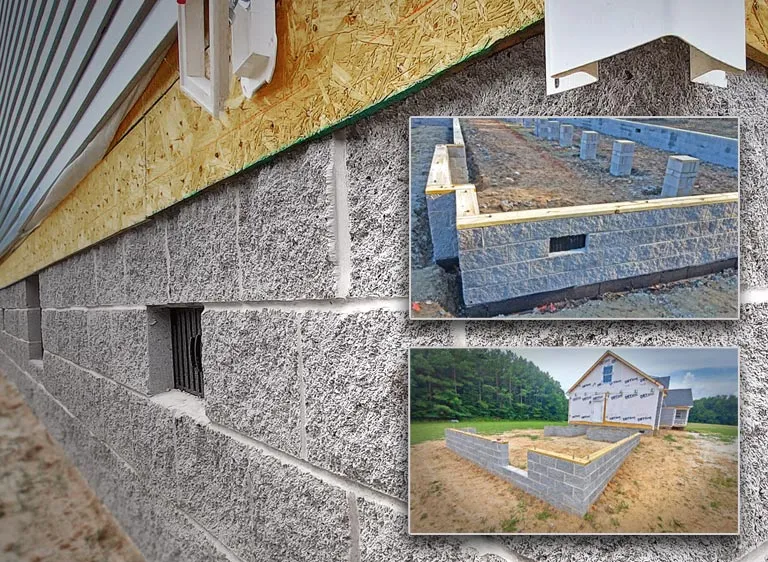
When it comes to creating eye-catching exteriors, split face blockwork is a game changer. This unique construction method not only adds aesthetic appeal but also offers durability and versatility. Imagine a material that combines the strength of concrete with the charm of natural stone—the result is nothing short of stunning. Whether you’re building a new structure or renovating an existing one, understanding split face blockwork can help you make informed choices for your project.
- What is Split Face Blockwork?
- Benefits of Split Face Blockwork
- Common Uses for Split Face Blockwork
- The Process of Installing Split Face Blockwork
- Different Types of Split Face Blockwork Styles
- Cost Comparison to Traditional Brick or Stone Work
- Maintenance and Durability of Split Face Blockwork
- Tips for Choosing the Right Contractor for Your Project
- Conclusion
From residential homes to commercial buildings, this technique has gained popularity due to its distinctive look and practical benefits. Let’s dive deeper into what makes split face blockwork stand out in the world of construction and design!
What is Split Face Blockwork?
Split face blockwork refers to a specific type of concrete masonry unit that has been split on one or more sides, creating a textured surface. This process exposes the aggregate within the block, showcasing natural color variations and patterns.
The resulting finish resembles traditional stone while maintaining the structural integrity of concrete. Split face blocks are typically larger than standard bricks, making them an efficient choice for construction projects.
These blocks can be used in various applications, from building walls to decorative features. Their robust nature allows them to withstand harsh weather conditions while offering aesthetic appeal.
Architects and builders often choose split face blockwork for its ability to combine functionality with style. Whether utilized as part of a foundation or as an eye-catching façade, it delivers both durability and visual interest for any design project.
Benefits of Split Face Blockwork
Split face blockwork offers a unique blend of aesthetics and functionality. Its textured surface creates visual interest, enhancing the overall appeal of walls and structures.
One significant advantage is its durability. Made from concrete, split face blocks can withstand harsh weather conditions, ensuring longevity without extensive maintenance.



Another benefit is energy efficiency. The thermal properties of these blocks help regulate indoor temperatures, potentially lowering heating and cooling costs for homeowners or businesses.
Additionally, split face blockwork provides excellent sound insulation. This makes it an ideal choice for buildings in noisy environments where peace and quiet are essential.
Installation is straightforward and often quicker than traditional masonry methods, which can lead to reduced labor costs over time.
With various colors and textures available, it’s easy to find a style that fits your design vision while remaining cost-effective compared to other materials like brick or stone.
Common Uses for Split Face Blockwork
Split face blockwork is versatile and finds its way into various applications. One of the most common uses is in commercial buildings, where its robust nature meets aesthetic needs.
This type of blockwork also shines in residential projects. Homeowners appreciate split face blocks for retaining walls and garden features, adding visual interest to outdoor spaces.
In addition, many schools and institutions utilize split face blockwork for durable facades that stand up to wear while maintaining an inviting appearance.
It’s equally popular in landscaping designs. Pathways or decorative elements made from these blocks can enhance curb appeal without sacrificing strength.
Industrial facilities often incorporate split face blockwork due to its superior durability and low maintenance requirements, making it ideal for high-traffic areas. Each use showcases the blend of function and style this material offers.
The Process of Installing Split Face Blockwork
Installing split face blockwork involves several key steps to ensure a sturdy and visually appealing finish. First, proper site preparation is essential. This includes clearing the area and ensuring a level foundation.
Next, layout guidelines are marked out. Accurate measurements prevent complications later on. Once the groundwork is set, mortar beds are applied for stability before placing the blocks.
As each block is laid, it’s important to check alignment continuously. A level ensures uniformity in both appearance and structural integrity. Joints between blocks should be filled adequately with mortar for strength.
After laying the entire wall or structure, finishing touches come into play. This often involves cleaning excess mortar off surfaces and sealing joints if necessary. The result is not just functional but also enhances aesthetic appeal significantly.
Different Types of Split Face Blockwork Styles
When it comes to split face blockwork, variety is key. Each style brings its own character and charm to any project.
The classic textured finish is popular for its rugged appeal. It adds depth to walls while maintaining a modern look. This style works well in both residential and commercial applications.
For those seeking a more refined aesthetic, polished split face blocks offer an elegant touch. These blocks combine the rough texture with smooth surfaces, creating visual contrast that’s captivating.
Another interesting option is colored split face blocks. With various shades available, you can personalize your design effortlessly. Using different colors can also create patterns or accent features that stand out beautifully.
Architectural shapes provide unique profiles within split face blockwork designs. Curved or angled variations are perfect for adding dimension and intrigue to structures without compromising strength or durability.
Cost Comparison to Traditional Brick or Stone Work
When considering the cost of split face blockwork, it’s essential to compare it with traditional brick or stone options. Split face blocks typically offer a more budget-friendly solution without sacrificing aesthetics.
Labor costs are often lower for split face installations. The blocks are larger and easier to handle than individual bricks, speeding up the construction process. This efficiency translates into savings on labor expenses.
Material costs also favor split face blockwork. While high-quality stone can be pricey, split face blocks provide an appealing finish at a fraction of the price. Their durability further enhances value over time since they require less frequent replacement.
While initial investment matters, long-term maintenance and energy efficiency play crucial roles in overall expenditure considerations. Opting for split face blockwork can yield significant financial advantages when looking at both immediate and future costs.
Maintenance and Durability of Split Face Blockwork
Split face blockwork is renowned for its durability, making it a popular choice in construction. These blocks are crafted from concrete and designed to withstand harsh weather conditions. Their robust nature ensures they resist cracking and damage over time.
Maintenance is minimal compared to other materials. Regular cleaning with water or mild detergents keeps them looking fresh. This simple upkeep prevents the buildup of dirt and grime that can dull their appearance.
Unlike traditional brick or stone, split face blocks do not require sealing or special treatments to maintain their strength. The texture itself helps hide minor imperfections, reducing the need for frequent repairs.
Additionally, these blocks offer excellent resistance to moisture penetration, which minimizes issues related to mold or mildew growth. Investing in split face blockwork means enjoying long-lasting beauty with little effort on your part.
Tips for Choosing the Right Contractor for Your Project
Choosing the right contractor for your split face blockwork project can make all the difference. Start by looking for specialists with a solid background in masonry and blockwork.
Check their portfolio to see previous projects. A varied collection shows versatility. Don’t hesitate to ask for references from past clients; genuine feedback can reveal much about reliability and quality of work.
Ensure they are licensed and insured. This protects you and builds trust between both parties. Also, discuss timelines upfront to avoid misunderstandings later on.
Get multiple quotes, but don’t base your decision solely on price. Quality should always take precedence over cost in construction matters.
Open communication is key throughout the process. A good contractor will listen to your ideas while providing valuable input based on their expertise.
Conclusion
When considering construction materials, split face blockwork offers a unique blend of aesthetic appeal and functional benefits. Its textured surface creates an eye-catching design that can enhance the look of any project. With various styles available, it allows for flexibility in designs while providing durability and strength.
The installation process is straightforward when handled by professionals, ensuring high-quality results that will stand the test of time. Compared to traditional brick or stone work, split face blocks often provide a more cost-effective solution without compromising on appearance or performance.
As you contemplate using split face blockwork for your next project, remember to choose a contractor who understands its nuances and can help bring your vision to life. The right expertise can make all the difference between a successful build and one filled with challenges.
Whether you’re building commercial properties or residential homes, incorporating split face blockwork might just be the upgrade you need to elevate your space both structurally and visually.