Introduction to Concrete Lintels
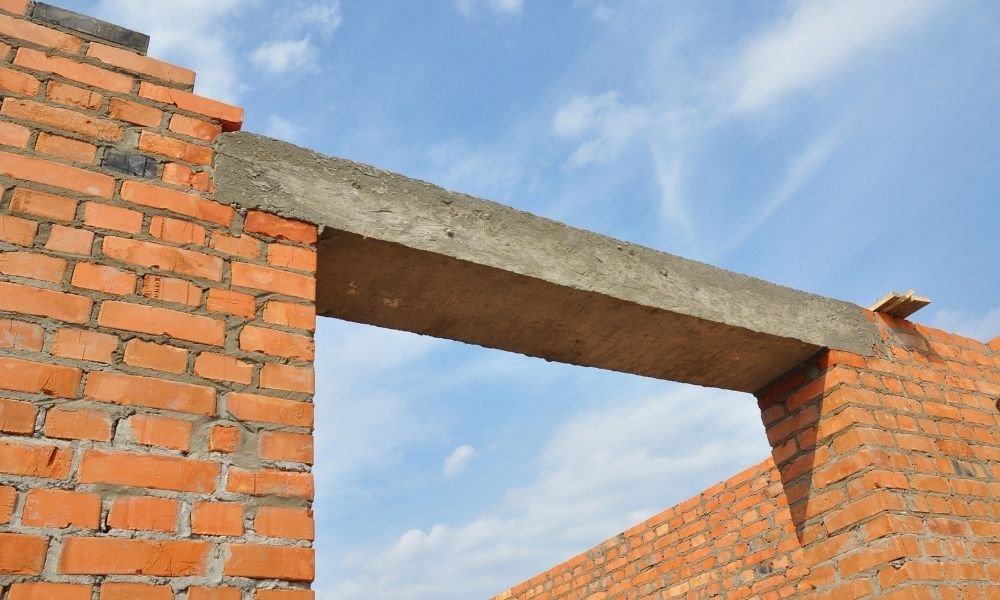
When it comes to construction, choosing the right materials can make all the difference. Among these essential building blocks are concrete lintels. These structural elements have been a popular choice in residential and commercial projects alike. But what exactly are they? Simply put, concrete lintels are horizontal beams made from reinforced concrete that support loads above openings like doors and windows.
- Introduction to Concrete Lintels
- Advantages of Using Concrete Lintels
- A. Durability and Strength
- B. Cost-effectiveness
- C. Flexibility in Design
- Disadvantages of Using Concrete Lintels
- A. Heavy Weight
- B. Limited Span Lengths
- C. Vulnerability to Corrosion
- Alternatives to Concrete Lintels
- Proper Installation and Maintenance Tips
- Conclusion
In recent years, there’s been an ongoing debate about their pros and cons. Do they offer unparalleled strength or pose challenges worth considering? If you’re contemplating using concrete lintels in your next project, it’s important to weigh both sides before making a decision. Let’s dive into the advantages and disadvantages of these robust components to help you navigate through this crucial aspect of construction!
Advantages of Using Concrete Lintels
Concrete lintels offer remarkable durability and strength, making them a reliable choice for various construction projects. Their robust composition allows them to withstand significant loads without compromising structural integrity.
Cost-effectiveness is another appealing factor. While initial expenses may be higher than some alternatives, their longevity reduces the need for frequent replacements or repairs, delivering long-term savings.
Moreover, concrete lintels provide flexibility in design options. They can be molded into different shapes and sizes to suit specific architectural needs. This versatility enables builders to achieve creative designs while maintaining functionality.
Additionally, these lintels perform well in various environmental conditions. They’re resistant to decay from moisture and pests, ensuring that they remain stable over time without requiring extensive maintenance efforts.
A. Durability and Strength
Concrete lintels are known for their exceptional durability and strength. Made from a robust mix of cement, aggregates, and water, they can withstand significant loads. This quality makes them ideal for supporting walls or openings in any structure.
Their resistance to wear over time is another key benefit. Unlike wood or steel, concrete doesn’t warp or rust under normal conditions. It stands firm against various weather elements like moisture and extreme temperatures.


The structural integrity provided by concrete lintels ensures longevity in construction projects. They effectively transfer weight away from load-bearing walls while maintaining stability.
With proper installation and reinforcement techniques, the lifespan of these lintels can be further extended. Builders often choose them when seeking reliability without compromising on safety standards in design.
B. Cost-effectiveness
Concrete lintels offer a cost-effective solution for various construction projects. Their initial expense is often competitive compared to other materials like steel or wood.
When considering long-term investments, concrete’s durability translates into savings on repairs and replacements over time. This longevity means fewer costs associated with maintenance, making it an attractive option for builders and homeowners alike.
Moreover, concrete lintels require less labor-intensive installation compared to some alternatives. This can further reduce overall project expenses.
The versatility of concrete also allows it to be molded into different shapes and sizes, minimizing waste during the manufacturing process. As a result, budget-conscious builders can leverage these features while ensuring structural integrity without compromising quality or aesthetics.
C. Flexibility in Design
Concrete lintels offer remarkable flexibility in design, catering to various architectural needs. They can be molded into different shapes and sizes, making them suitable for both residential and commercial projects.
This adaptability allows architects to create unique structures without compromising structural integrity. Whether you’re aiming for a traditional look or a modern aesthetic, concrete lintels fit seamlessly into your vision.
Additionally, they can be designed to accommodate varying load requirements. This makes them ideal for diverse applications, from doorways to large windows.
The ability to customize these elements means that you won’t have to sacrifice form for function. Instead, concrete lintels enhance the overall appearance while providing reliable support throughout the lifespan of the building.
Disadvantages of Using Concrete Lintels
While concrete lintels offer several advantages, they come with their own set of drawbacks.
One significant concern is their heavy weight. This can complicate transportation and installation, requiring additional labor or machinery to handle them safely.
Another limitation involves span lengths. Concrete lintels are not suitable for very long distances without support. This restriction may necessitate the use of more materials or structural elements to ensure stability.
Additionally, despite being robust, concrete is vulnerable to corrosion over time if exposed to moisture and harsh conditions. This can lead to deterioration that undermines the integrity of the structure.
These factors must be weighed carefully in any construction project considering concrete lintels as a viable option.
A. Heavy Weight
Concrete lintels are undeniably heavy. This characteristic can pose challenges during the construction process.
Handling these substantial elements requires careful planning and adequate manpower. A crane or other machinery is often necessary to lift and position them correctly. This added equipment can increase project costs.
Moreover, their weight impacts structural design considerations. Builders must account for the additional load on walls and foundations, which may lead to more extensive groundwork or reinforcement requirements.
Additionally, transporting concrete lintels can be cumbersome due to their size and mass, potentially delaying timelines if not properly managed.
For some projects, this heaviness might limit flexibility in design choices as well, steering architects toward lighter alternatives that facilitate easier installation and modification down the line.
B. Limited Span Lengths
Concrete lintels are known for their strength, but they do have limitations when it comes to span lengths. Unlike steel or engineered wood options, concrete can struggle with longer distances without additional support.
When spans exceed a certain length, the weight of the concrete itself becomes a concern. Engineers must often incorporate extra reinforcements or use multiple lintels to ensure structural integrity. This can complicate design plans and increase labor costs.
Additionally, builders need to consider load-bearing requirements carefully. If not designed correctly for larger openings, there’s potential for bending or cracking over time.
Thus, while concrete provides excellent durability in many applications, its limitations on span lengths might steer some projects toward alternative materials that offer more flexibility in design and function.
C. Vulnerability to Corrosion
Concrete lintels, while robust and reliable, do have their weaknesses. One notable concern is their vulnerability to corrosion.
Moisture exposure can lead to the deterioration of internal reinforcement bars, especially if they are not adequately protected. When water seeps into the concrete, it creates an environment where rust can thrive.
Corrosion not only affects structural integrity but also shortens the lifespan of a lintel. Over time, this degradation could result in costly repairs or replacements.
Understanding local environmental conditions is crucial for anyone considering concrete lintels. Areas with high humidity or salinity may exacerbate these issues significantly.
Proper sealing techniques and regular maintenance can help mitigate risks associated with corrosion. Investing in protective measures is essential for preserving your investment in construction materials like concrete lintels.
Alternatives to Concrete Lintels
When considering alternatives to concrete lintels, steel lintels often come to mind. Steel offers a high strength-to-weight ratio, making it easier to work with in various construction scenarios.
Another option is timber lintels. They provide a warm aesthetic and are relatively lightweight. However, they may not be suitable for heavy loads or moist conditions due to potential decay.
For projects requiring sustainability, engineered wood products can serve as an eco-friendly alternative. These materials combine the advantages of wood with added durability and resilience.
Reinforced masonry is another viable choice. It combines bricks or blocks with reinforcing bars, enhancing structural integrity while allowing for flexibility in design.
Fiberglass-reinforced polymer (FRP) is gaining traction due to its corrosion resistance and light weight. This material works well in environments prone to moisture where traditional materials might falter.
Proper Installation and Maintenance Tips
Proper installation of concrete lintels is crucial for their long-term performance. Begin by ensuring the support walls are level and strong enough to bear the load. It’s essential to place them on a solid foundation, as any instability can lead to cracking.
During installation, use appropriate lifting equipment due to their weight. Ensure even distribution of mortar or adhesive at both ends for optimal support.
Regular maintenance checks can identify potential issues early. Look for signs of cracking or shifting in your lintels over time. If you spot any damage, it’s best to address it immediately with repairs or replacements.
Keep an eye on moisture levels around the area where the lintel is installed; excess water can contribute to corrosion if not managed properly.
Always follow manufacturer guidelines for specific products regarding load limits and compatibility with other materials used in construction.
Conclusion
Concrete lintels have become a popular choice in construction due to their blend of strength, durability, and cost-effectiveness. They offer substantial advantages that make them appealing for various building projects, from residential homes to commercial structures. However, it’s also essential to weigh the drawbacks they come with—like their heavy weight and limited span capabilities.
Choosing concrete lintels can be beneficial if you prioritize longevity and flexibility in design. Still, considering alternatives like steel or timber might be worthwhile depending on your specific project requirements.
Proper installation is crucial for maximizing the lifespan of concrete lintels while ensuring they perform optimally under load conditions. Regular maintenance checks can help mitigate issues related to corrosion over time.
Whether you’re leaning toward using concrete lintels or exploring other options, understanding both sides will guide you in making an informed decision tailored to your construction needs.