Pea gravel might not be the first material that comes to mind when planning your landscaping projects, but it’s time to change that perspective. This versatile and natural stone offers a unique charm that can elevate your outdoor spaces in countless ways. Whether you’re looking for an easy pathway solution, a decorative touch around garden beds, or even a practical base for other features, pea gravel has got you covered.
Imagine walking along a cozy path of soft stones or creating inviting seating areas adorned with this beautiful aggregate. With its smooth texture and earthy palette, pea gravel seamlessly integrates into any landscape style while providing functional benefits too. Ready to explore the many possibilities? Let’s dive into the world of pea gravel and discover why it deserves a spot on your project list!
What is Pea Gravel?
Pea gravel is a type of small, rounded stone that typically measures between 3/8 to 1/2 inch in diameter. This natural aggregate is composed mainly of river rock, which gives it a smooth finish and an appealing aesthetic.
One of its standout features is its variety of colors and shades. You can find pea gravel in hues ranging from earthy browns to soft grays or even vibrant reds. This color diversity allows you to match the stones with your existing landscape effortlessly.
Due to its size and shape, pea gravel offers great drainage properties. It’s frequently used in landscaping projects where water management is crucial.
Additionally, pea gravel is lightweight compared to other types of stone materials, making it easy to transport and install for various applications around your home or garden.
Benefits of Using Pea Gravel in Landscaping
Pea gravel offers a versatile solution for landscaping needs. Its small, smooth stones create an attractive ground cover that enhances any outdoor space.
One significant benefit is drainage. Pea gravel allows water to flow through easily, preventing puddles and mud. This makes it ideal for pathways or around plants that need good airflow.



Another advantage is its low maintenance requirement. Unlike grass or traditional mulch, pea gravel does not need mowing or frequent replacement. A simple raking now and then keeps it looking fresh.
Additionally, pea gravel comes in various colors and sizes, allowing customization to suit your style preferences. Whether you’re creating a zen garden or a casual backyard retreat, there’s a perfect blend waiting for you.
It’s also eco-friendly since it’s made from natural stone materials devoid of harmful chemicals. Enjoy the beauty and functionality of this sustainable option in your landscape design.
Different Uses for Pea Gravel
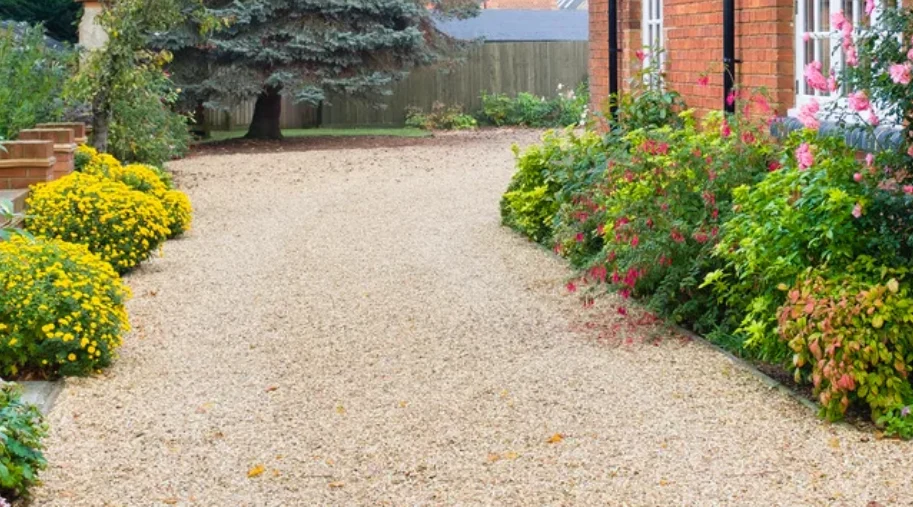
Pea gravel is incredibly versatile and can enhance various outdoor spaces. One popular use is creating walkways. Its smooth texture provides a comfortable surface for walking while adding an attractive touch to gardens.
In addition to pathways, pea gravel serves well in drainage solutions. Its porous nature allows water to flow freely, making it ideal for French drains or around foundations where moisture control is essential.
Garden beds benefit from pea gravel as well. It acts as ground cover that suppresses weeds while retaining soil moisture, promoting healthier plant growth.
For those looking to create a cozy fire pit area, scattering pea gravel creates a safe and stylish space for gatherings without the worry of muddy shoes.
Using pea gravel in decorative features like borders or accents can elevate your landscaping design effortlessly by providing contrast against plants and hardscapes.
How to Choose the Right Type of Pea Gravel for Your Project
Choosing the right type of pea gravel can significantly impact your project’s aesthetics and functionality. Start by considering the size of the gravel. Standard pea gravel typically ranges from 3/8 inch to 1/2 inch, perfect for walkways or decorative areas.
Next, think about color. Pea gravel comes in various hues—from earthy browns to vibrant whites. The right color can complement existing landscaping features and create a cohesive look.
You should also evaluate drainage needs if you’re using it for gardens or pathways. Larger aggregates may be beneficial for improved water flow, while smaller ones provide a more refined appearance.
Consider where you’ll source your pea gravel. Local suppliers often offer options that suit regional climates better than those shipped from afar. This choice could affect durability and maintenance over time as well as environmental impact.
Tips for Installing and Maintaining Pea Gravel
When installing pea gravel, start with a well-prepared base. Clear the area of weeds and debris to prevent growth underneath.
Next, consider using landscape fabric. This barrier allows water to drain while blocking pesky weeds from surfacing through your beautiful gravel.
For proper drainage, create a slight slope where needed. This will help direct rainwater away from paths or sitting areas.
After laying down the gravel, maintain its appearance by regularly raking it back into place. Over time, stones may settle unevenly or get displaced.
Keep an eye on surrounding plants too; they might encroach upon your gravel area if not trimmed back regularly. A little maintenance goes a long way in keeping your landscaping looking pristine and inviting.
Creative Ideas for Using Pea Gravel in Landscaping
Pea gravel is a versatile material that can elevate your landscape design in unexpected ways. Consider using it to create charming pathways that guide visitors through your garden, adding visual interest and texture.
Another creative idea is to incorporate pea gravel into flower beds. It serves as an excellent mulch alternative, suppressing weeds while allowing moisture to reach the soil beneath. This functionality blends seamlessly with aesthetic appeal.
For those looking to add seating areas, think about using pea gravel around fire pits or outdoor lounges. A layer of this smooth stone provides a comfortable surface for chairs and tables while enhancing the natural ambiance.
You can also experiment with decorative borders or edging with pea gravel. Line walkways or gardens for a polished look that contrasts nicely against vibrant plants and flowers, creating dynamic landscapes without overpowering them.
Conclusion
Pea gravel is a versatile and practical option for various landscaping needs. Its unique texture, size, and color make it an appealing choice for many homeowners and landscapers alike. With benefits ranging from improved drainage to aesthetic enhancement, it’s easy to see why pea gravel has gained popularity.
Whether you’re creating pathways, filling garden beds, or designing decorative features in your outdoor space, the right type of pea gravel can elevate your project. By considering factors like color and size, you can find the perfect match for your vision.
Installation may seem straightforward, but proper techniques ensure longevity and maintainability. Regular upkeep will keep your pea gravel looking fresh while preventing weeds from taking root.
Let creativity guide you as you explore innovative uses for this material. From modern patios to rustic gardens, there are endless possibilities waiting to be discovered with pea gravel at the forefront of your landscape design journey.