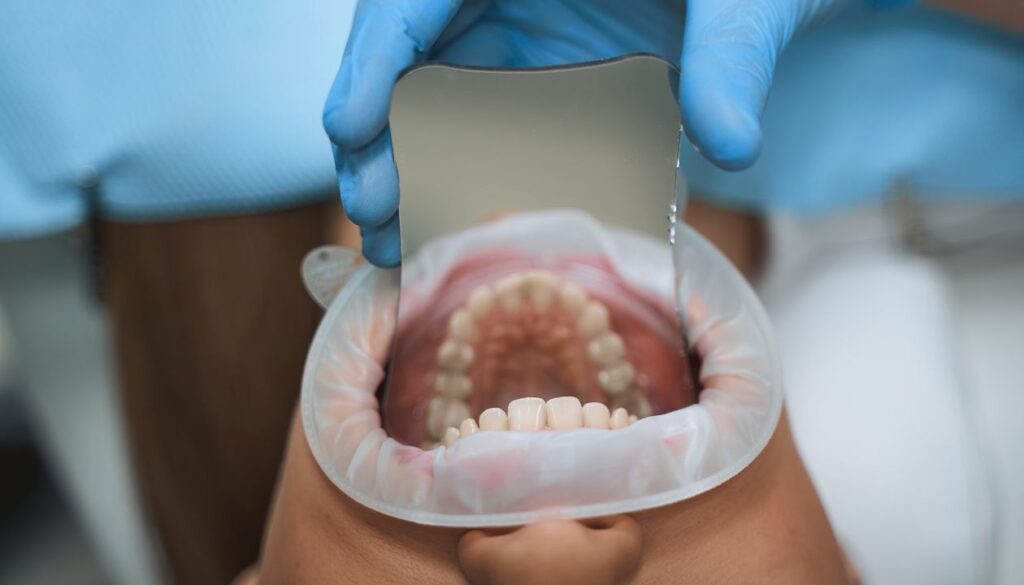
Do you have trouble with tooth pain or missing teeth? Most people will need some form of dental care and tooth replacement in their lives. This blog explains simple ways to keep your mouth healthy and explores complete restorations such as fillings, crowns, and dental implants.
Keep reading to find out how you can protect your smile every day!
Everyday Dental Care
Everyday dental care helps keep your mouth healthy and strong. Simple daily habits can prevent bigger problems and save you pain later on.
Brushing and flossing techniques
Taking care of your teeth every day is key to good oral hygiene. Brushing and flossing correctly can prevent cavities and gum disease.
- Hold your toothbrush at a 45-degree angle to your gums. This helps the bristles clean under the gum line.
- Use soft, circular motions. Brush all sides of each tooth, including the outer, inner, and chewing surfaces.
- Spend at least two minutes brushing. This ensures you clean all of your teeth well.
- Choose a fluoride toothpaste. Fluoride helps fight cavities by strengthening tooth enamel.
- Floss once a day. It removes food and plaque between teeth where a brush can’t reach.
- Slide the floss gently up and down between your teeth. Curve it around the base of each tooth, going beneath the gum line.
- Use a fresh section of floss for each tooth to avoid spreading bacteria from one part of your mouth to another.
- Don’t snap or force the floss as this can hurt your gums.
- If using regular floss is hard, try floss picks or interdental brushes. They are easier to handle and work well, too.
Good brushing and flossing are crucial steps in maintaining dental health and preventing future problems.
Importance of a balanced diet and hydration
Brushing and flossing are key for good oral health. A well-rounded diet and proper hydration play a significant role, too. Eating healthy foods helps keep your teeth strong. Foods rich in calcium, like milk and yogurt, support tooth strength.
Fruits and vegetables provide vitamins that help fight cavities.
Staying hydrated is just as important. Water washes away food particles and keeps your mouth moist. A dry mouth can lead to bad breath and tooth decay. Good nutrition supports overall health and enhances oral hygiene.



Taking care of your body benefits your smile, too. A well-rounded diet is essential for healthy teeth.
Regular dental checkups
A balanced diet and staying hydrated help keep your teeth healthy. Regular dental checkups are also key for good oral hygiene. Scheduling these routine visits at the best dental clinic helps ensure thorough examinations, professional cleanings, and early detection of potential issues. Visiting the dentist twice a year is the standard recommendation.
These visits allow dentists to spot problems early, like cavities or gum disease.
During checkups, the dentist can clean your teeth thoroughly. They use special tools to remove plaque and tartar that regular brushing might miss. Checkups also give you a chance to ask questions about dental care and treatments, such as fillings or dental implants if needed.
Keeping up with these appointments can save time and money in the long run by preventing bigger issues.
Restorative Dentistry Options
Restorative dentistry offers various solutions for tooth issues. Fillings fix cavities, while crowns and bridges restore damaged or missing teeth.
Fillings for cavity repair
In addition to daily habits, regular check-ups are essential for effective dental care & restorations.
Fillings are a common way to repair cavities. A cavity forms when bacteria eat away at the tooth enamel. Your dentist will clean out the decayed area and fill it with a material like composite resin or amalgam.
This helps restore the tooth’s shape and strength.
Getting fillings helps your teeth look better and prevents further decay. Strong fillings can last for many years with proper care, making them an essential part of dental health. After discussing fillings, we can explore crowns and bridges for damaged or missing teeth.
Crowns and bridges for damaged or missing teeth
Crowns and bridges help fix damaged or missing teeth. A crown covers a tooth that is weak or broken. It restores its shape and function. Crowns can be made from different materials, like porcelain or metal, to match your smile.
Bridges replace one or more missing teeth. They use crowns on the neighboring teeth for support. This helps fill gaps in your mouth, improving chewing function and appearance. Crowns and bridges are effective options in restorative dentistry. They provide comfort while boosting confidence in your smile.
In more complex cases where multiple teeth need repair, a full mouth reconstruction may be recommended to restore overall function, alignment, and oral health.
Dental implants for long-term tooth replacement
Dental implants are a popular choice for tooth replacement. They act like real teeth and can last for many years. The process involves placing a small metal post in the jawbone. This post serves as an anchor for a crown, making it look and feel natural.
Many people prefer dental implants because they offer excellent stability. Unlike dentures, they do not slip or shift while eating or speaking. Implants also help maintain jawbone health by providing support where teeth are missing.
This means better chewing function and improved oral hygiene as a whole.
Benefits of Complete Dental Restorations
Complete dental restorations can make chewing easier and improve how you speak. They can also boost your comfort and confidence. For more details on this topic, keep reading!
Improved chewing and speech
Missing or damaged teeth can make chewing difficult. Restorative dental care helps fix these issues. Fillings, crowns, and bridges can restore your ability to eat comfortably. Dental implants offer a long-term solution for tooth replacement.
Good oral hygiene is key for speech too. Clear speech relies on having all teeth in place. Proper restorations help maintain normal pronunciation and clarity in speaking. With complete restorations, you can enjoy food again and speak with confidence.
Enhanced comfort and confidence
Restorative dentistry helps improve comfort and confidence. When teeth are damaged or missing, it can be tough to eat and speak. Dental implants, crowns, and bridges fix these issues.
They help people chew better and speak clearly.
Dental plaque can accumulate on your teeth if you neglect proper brushing and flossing techniques.
Having a complete restoration also boosts self-esteem. Many feel embarrassed about their smile if they have gaps or decay. A restored smile gives patients the confidence to show off their teeth.
Good dental care leads to improved oral hygiene as well. People are more likely to practice healthy habits after treatment, leading to long-lasting results in both health and happiness.
Maintaining Restorations
To keep your restorations lasting, practice good oral care every day. Brush and floss like a pro. Visit your dentist for regular checkups to catch any issues early. Good habits lead to healthy smiles! Curious about how to take the best care of your teeth? Read on!
Proper daily care practices
Daily care for your teeth is vital. Good habits help keep your smile bright and healthy. Follow these practices to maintain oral hygiene.
- Brush twice a day. Use a soft-bristled toothbrush and fluoride toothpaste. This keeps plaque from building up on your teeth.
- Floss daily. Floss helps clean between your teeth where a toothbrush can’t reach. This reduces the risk of cavities and gum disease.
- Rinse with mouthwash. A good mouthwash can kill germs and freshen breath. Choose one that kills bacteria for added protection.
- Eat a balanced diet. Include fruits, vegetables, and whole grains in your meals. Avoid sugary snacks; they can lead to cavities.
- Drink plenty of water throughout the day. Water keeps your mouth hydrated and helps wash away food particles.
- Limit acidic beverages like soda and fruit juice. These drinks can erode enamel over time, increasing tooth sensitivity.
- Avoid smoking or using tobacco products. Tobacco can stain your teeth and lead to serious health issues, including gum disease.
- Visit your dentist regularly for checkups and cleanings every six months at least; this helps catch problems early before they worsen.
- Be aware of any dental issues you may have, such as tooth sensitivity or pain; address these promptly with your dentist.
- Maintain consistent care even after receiving restorations like fillings or implants; proper care extends the life of these treatments.
These steps contribute to effective dental care and ensure all restorations last longer while keeping you healthy.
Regular professional maintenance
Proper daily care practices keep your teeth healthy. Regular professional maintenance is also key to strong oral health. Visit your dentist every six months for checkups. These visits help spot problems early, like cavities or gum disease.
Dentists can clean areas that brushing and flossing miss.
For patients with restorations, regular visits are even more important. Your dentist will check the condition of fillings, crowns, and implants. They will ensure everything is in good shape and functioning well.
Maintaining these restorations helps you keep a bright smile and avoid future issues.
Conclusion
Caring for your teeth every day is vital. It helps keep your smile bright and healthy. Complete restorations can fix serious dental issues. They improve how you chew and speak. With the right care, you can enjoy a strong, confident smile for years to come.