The gleaming chrome, the precise engineering, the promise of barista-quality espresso in your own kitchen—luxury espresso machines captivate coffee enthusiasts with their beauty and capability. Yet beneath this allure lies a minefield of potential missteps that can transform your dream purchase into an expensive regret. Too many buyers, drawn by sleek designs and impressive specifications, invest thousands of dollars only to discover their machine sits unused or fails to deliver the exceptional coffee they imagined.
Whether you’re a beginner taking your first steps into home espresso or a casual coffee maker ready to upgrade, understanding common pitfalls before you buy can save you significant money and frustration. The difference between a wise investment and a costly mistake often comes down to knowing what truly matters versus what simply looks impressive in a showroom. This guide reveals five critical mistakes that trap unsuspecting buyers and provides practical strategies to help you choose a luxury espresso machine that genuinely matches your needs, skills, and lifestyle—ensuring your investment delivers exceptional coffee for years to come.
1. Not Understanding Your Espresso Needs
The most expensive mistake begins before you ever enter a store: failing to honestly assess how you’ll actually use your espresso machine. A buyer who enjoys a single cappuccino each morning has vastly different requirements than someone hosting weekend brunch for friends or consuming multiple espressos throughout the day. Start by tracking your current coffee consumption for two weeks—note how many drinks you make daily, what types you prefer, and when you typically brew. This simple exercise reveals whether you need a machine that heats quickly for rushed mornings or one with capacity for back-to-back drinks.
Understanding the distinction between home and commercial-grade machines prevents overspending on unnecessary power. Commercial machines withstand constant use in café settings, featuring larger boilers, reinforced components, and faster recovery times that most home users never utilize. These professional workhorses also demand more counter space, require specialized electrical installations, and consume significantly more energy. Home luxury machines deliver exceptional quality for typical household volumes without the operational overhead.
Your skill level should directly influence your choice. Manual lever machines offer ultimate control but demand technique mastered through practice and patience. Semi-automatic models balance hands-on involvement with consistent results, ideal for enthusiasts willing to learn grinding, dosing, and tamping fundamentals. Super-automatic machines handle everything from grinding to milk frothing at the press of a button, perfect for beginners who prioritize convenience over craft. Buying beyond your current abilities often leads to frustration—choose a machine that matches where you are today, not where you imagine being someday.
2. Overlooking Essential Espresso Machine Features
Key Features to Prioritize
Pressure specifications create widespread confusion among buyers who assume higher numbers guarantee better espresso. The ideal extraction pressure sits at 9 bars—the standard established by espresso science and used by professional baristas worldwide. Machines advertising 15 or 20 bars typically achieve this through pump capacity rather than actual brewing pressure, relying on over-pressure valves to regulate down to optimal levels during extraction. Focus on whether a machine maintains consistent 9-bar pressure throughout the shot rather than chasing inflated maximum pressure claims that serve marketing more than quality.
Boiler configuration fundamentally determines your machine’s capabilities and workflow efficiency. Single boiler systems require you to wait between pulling espresso shots and steaming milk, as brewing and steaming demand different temperatures. Heat exchanger designs circulate water through the steam boiler for brewing, enabling simultaneous operations but sometimes struggling with temperature stability. Dual boiler machines dedicate separate boilers to brewing and steaming, delivering precise independent temperature control and eliminating wait times between functions. For milk-based drinks like lattes and cappuccinos, dual boilers transform your morning routine from a sequential process into fluid efficiency.
Temperature stability separates luxury machines from budget models more than any other factor. Espresso extraction is remarkably sensitive—variations of just three degrees Fahrenheit alter flavor profiles dramatically, turning balanced shots sour or bitter. Quality machines employ PID controllers that maintain water temperature within one degree of your target, ensuring every shot extracts identically. Test this feature by checking whether machines offer adjustable temperature settings rather than fixed presets, giving you control to optimize extraction for different coffee origins and roast levels as your palate develops.


Luxury vs. Gimmick Features
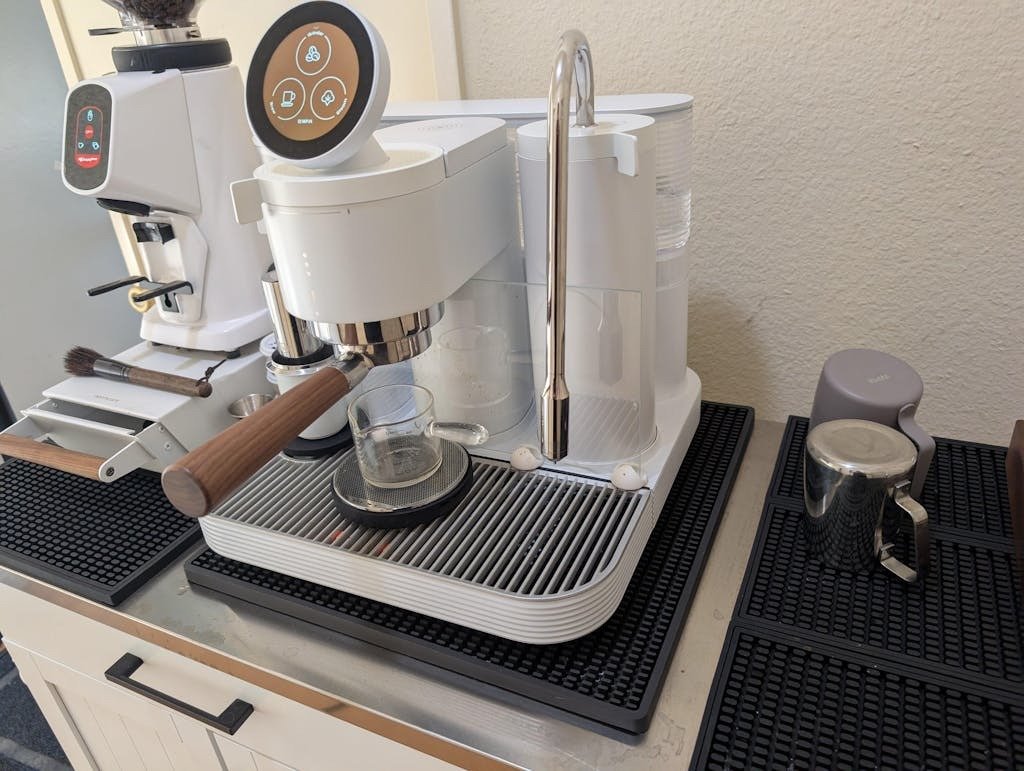
Distinguishing genuine value from marketing gloss requires understanding which features affect your daily espresso quality. Built-in grinders offer undeniable convenience but rarely match the performance of dedicated grinders in the same price range, and when the grinder mechanism fails, your entire machine needs servicing. True luxury lies in features that enhance consistency and control: pre-infusion systems that gently saturate grounds before full pressure, programmable shot volumes that replicate your perfect extraction, and pressure profiling that adjusts force throughout the pull. Smart connectivity and touchscreen displays certainly impress guests, but they contribute nothing to the espresso in your cup. When evaluating features, ask whether each element directly improves extraction quality or simply adds complexity to your counter. The best luxury machines invest their engineering budget in thermal stability, pressure consistency, and build quality rather than digital interfaces and app connectivity that become novelties after the first week.
3. Ignoring the Importance of Espresso Accessories
Even the finest espresso machine cannot compensate for inadequate accessories that directly influence extraction quality. A precision tamper transforms your workflow from guesswork into consistency—cheap plastic tampers fail to distribute pressure evenly across the coffee puck, creating channels where water rushes through and leaving portions under-extracted. Invest in a calibrated tamper that fits your portafilter basket precisely, with comfortable weight and ergonomic design that encourages proper technique. The difference appears immediately in your shots: even extraction, balanced flavor, and that coveted layer of crema signaling proper brewing.
Digital scales belong beside every luxury espresso machine, yet many buyers overlook this essential tool in favor of volumetric scoops or eyeballing doses. Espresso demands precision measured in tenths of grams—a two-gram variance in your dose noticeably shifts extraction time and flavor balance. Quality scales with 0.1-gram accuracy and built-in timers allow you to dial in recipes with professional consistency, tracking both input dose and output yield. This data-driven approach eliminates the frustration of chasing why yesterday’s perfect shot tastes different today. Similarly, a reliable thermometer for milk steaming ensures your cappuccinos reach that ideal 140-150°F range where sweetness peaks without scalding, while water filtration systems protect your expensive machine from scale buildup that degrades performance and necessitates costly repairs. These accessories aren’t optional extras—they’re fundamental tools that unlock your machine’s true potential.
4. Skipping Research on Brands and Reviews
The luxury espresso machine market concentrates around several established manufacturers whose reputations rest on decades of engineering refinement. Italian brands like La Marzocco and Rocket Espresso built their credibility in commercial settings before adapting technology for home users, offering machines with café-grade components and proven durability. Swiss precision defines Jura’s super-automatic systems, while Breville brings Australian innovation to accessible luxury with thoughtful design and strong customer support. German engineering shines through in ECM and Profitec machines, known for meticulous build quality and serviceable construction. Emerging brands like Meraki Tech Global are also entering the coffee space with innovative approaches to home brewing technology. Rather than chasing the newest brand making bold claims, focus on manufacturers with established service networks, available replacement parts, and communities of experienced users who can offer guidance as you learn.
Professional reviews from specialty coffee publications provide technical insights into extraction quality and build standards, but user reviews reveal the ownership experience that matters daily. Look beyond star ratings to read detailed experiences from buyers who’ve owned their machines for six months or longer—early enthusiasm often fades when maintenance demands emerge or minor annoyances compound. Pay particular attention to comments about customer service responsiveness, warranty claim experiences, and how well machines perform after the initial break-in period. Cross-reference multiple sources rather than trusting a single review site, and seek out espresso forums where experienced home baristas discuss long-term reliability. When reviews mention specific issues like inconsistent temperature or difficult cleaning procedures, investigate whether manufacturers addressed these problems in newer production runs. This research investment of just a few hours can prevent years of regret.
5. Forgetting About Maintenance and Long-Term Costs
Luxury espresso machines demand regular maintenance that many buyers discover only after purchase, when neglect begins degrading performance. Daily backflushing removes coffee oils from the group head, while weekly cleaning with specialized detergent prevents residue buildup that turns rancid and taints flavor. Descaling every two to three months protects internal components from mineral deposits, though frequency depends on your water hardness. Group gaskets require annual replacement to maintain proper seal and pressure, while shower screens need periodic inspection for clogs. These aren’t optional suggestions—skipping maintenance schedules voids warranties and leads to expensive repairs. Budget thirty minutes weekly for thorough cleaning routines, and factor this time commitment into your purchase decision alongside the initial cost.
The financial commitment extends far beyond the machine’s price tag. Replacement parts like portafilters, steam wands, and pressure gauges cost significantly more for luxury models than budget alternatives. Professional servicing runs $150-300 annually for basic maintenance, while major repairs involving boiler elements or pump replacements can exceed $500. Water filtration systems need cartridge replacements every few months, adding another ongoing expense. Calculate the total five-year ownership cost including maintenance supplies, replacement parts, professional servicing, and quality coffee beans to understand your true investment. Machines with user-serviceable components and readily available parts reduce long-term costs compared to proprietary designs requiring factory service for simple repairs. This realistic cost assessment prevents budget shock and helps determine whether luxury features justify the sustained financial commitment beyond initial purchase excitement.
Making Your Investment Count
These five critical mistakes—misunderstanding your needs, overlooking essential features, ignoring necessary accessories, skipping thorough research, and underestimating maintenance costs—account for most luxury espresso machine regrets. Each pitfall is entirely avoidable through honest self-assessment and patient investigation before committing your money. The buyers who find lasting satisfaction with their machines are those who invested hours researching rather than impulse-purchasing based on aesthetics or sales pressure.
Take time to visit showrooms, taste espresso from different machines, and join online communities where experienced owners share unfiltered experiences. Read manuals before buying to understand daily operation and maintenance demands. Calculate total ownership costs over five years, not just the initial price tag. Most importantly, resist the temptation to buy the most expensive or feature-laden machine available. Consider starting with a well-regarded mid-range model that teaches fundamental espresso skills without overwhelming complexity or financial risk. As your technique develops and you clarify your preferences, you’ll know exactly which luxury features genuinely enhance your experience versus those that simply inflate the price. A thoughtful, research-backed purchase transforms your luxury espresso machine from an expensive appliance into a daily source of café-quality coffee and genuine satisfaction.