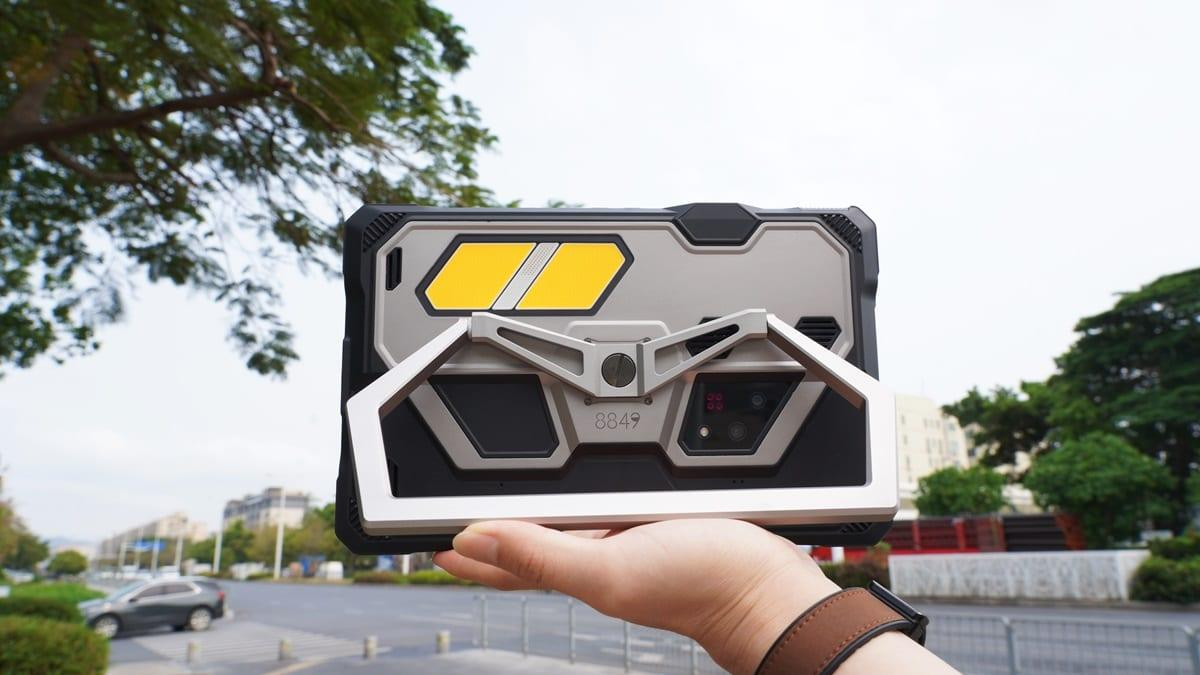
When work takes you outside the office, your device has to handle more than emails and video calls. A standard tablet may be fine at home, but on a job site or in bad weather, it can become a problem. One drop, one splash, or one dusty day can slow everything down. That is why rugged tablets are a common choice for teams who work in the field.
- What Makes Rugged Tablets So Tough?
- How Do Rugged Tablets Handle Sunlight and Gloves?
- How Do Rugged Tablets Manage Power All Day?
- Why Do Rugged Tablets Cost Less Over Time?
- What Extra Features Do Rugged Tablets Offer?
- Choosing a High-quality Rugged Tablet
- How Do Rugged Tablets Stay Connected and Secure?
- Conclusion
- Frequently Asked Questions
This guide explains what makes rugged tablets different, why they make sense for field teams, and which features matter most when you are working outdoors.
What Makes Rugged Tablets So Tough?
Rugged tablets are built to handle drops, dust, water, and rough daily use. They do this through sealed designs and tough testing that regular consumer tablets do not withstand.
MIL-STD-810H
MIL-STD-810H means the tablet has passed tests for things like drops, vibration, and extreme temperatures. It is designed for real field conditions, not careful indoor use.
IP Ratings
An IP rating tells you how well the device resists dust and water. Ratings like IP68 and IP69K are common in rugged gear. They generally mean the device is sealed against dust and can handle strong water exposure, such as heavy rain or water jets. Some devices can also survive short periods in water, depending on the model.
How Do Rugged Tablets Handle Sunlight and Gloves?
Many rugged tablets are built for outdoor visibility and outdoor touch control. That usually means a brighter screen and touch modes that still work with gloves or wet hands.
A clear screen and reliable touch response matter when you are standing in the sun, wearing PPE, or working in light rain.
Seeing Clearly in Direct Sunlight
Regular tablet screens can look washed out in direct sunlight. Rugged tablets often use brighter displays and bonded glass to reduce glare. That helps the screen stay readable when you are outside for long periods.



Some rugged models are rated at high brightness levels, and you may see numbers like 800 nits or higher on spec sheets. The important point is not the exact number. The important point is that the screen stays readable when sunlight hits it.
Working with Gloves and in the Rain
Field work often means gloves, wet hands, and changing weather. Many rugged tablets include a glove mode that increases touch sensitivity so you can tap and swipe without removing protective gear.
Some also include a rain mode to reduce false touches caused by water droplets. That helps when you need the screen to respond to your finger, not the rain.
How Do Rugged Tablets Manage Power All Day?
Rugged tablets are often designed for long shifts. Many models focus on large batteries, fast charging, or batteries you can swap without shutting down the device.
When the tablet is part of your workflow, losing power does not just end entertainment. It can stop inspections, delay reports, and slow down the whole team.
Hot-Swappable Batteries for Zero Downtime
Some rugged tablets support hot-swapping. That means you can replace the battery without turning the tablet off. A small internal backup battery keeps the system running while you swap the main battery.
This feature is especially useful for long shifts and remote jobs where there is no easy place to charge.
Large Battery Capacity and Fast Charging
Many rugged tablets use bigger batteries than consumer tablets. Some models use very large battery packs designed to last through long workdays.
Fast charging also matters. When you get a short break near a power outlet, a faster charge like 60W+ can give you a meaningful amount of extra runtime. The exact charge speed depends on the model, so it is worth checking the device specs before you buy.
Why Do Rugged Tablets Cost Less Over Time?
Rugged tablets often cost more upfront, but they can cost less over time because they break less often and last longer in harsh conditions. The price tag is only one part of the real cost. The higher cost is what happens when a device fails in the field.
When a consumer tablet breaks on-site, you pay for more than the replacement. You also lose time. Work pauses, staff wait, and sometimes data has to be re-entered. If it happens more than once, the costs add up fast.
A consumer device used outdoors may fail early because it is not built for vibration, dust, drops, or wet conditions. A rugged tablet is made for those stresses, so it can often stay in service much longer. Many teams plan for rugged devices to stay usable for years, which can lower the cost per year of ownership.
What Extra Features Do Rugged Tablets Offer?
Modern rugged tablets can include features that go beyond durability. Some models add tools that help with communication, training, and field documentation.
A rugged tablet is no longer just a tough screen. In many workflows, it becomes a portable field hub.
Built-in Projectors
Some rugged tablets now include a built-in projector. This can help when you need to share information with a group without carrying a separate projector.
In real field use, a projector can be useful for quick briefings, basic training videos, or showing plans and images on a wall or screen. Projection size and clarity vary by model and lighting, so it works best in darker or shaded conditions.
Night Vision Cameras
Some rugged devices include infrared-based night vision cameras. This can help for low-light inspections, security checks, or night work where normal cameras struggle.
Faster Connectivity Options
Many rugged tablets support newer wireless standards and mobile networks to keep data moving between the field and the office. That can help with sending job photos, syncing reports, and accessing cloud files without long delays. The real benefit is speed and stability when you are not on reliable Wi-Fi.
Choosing a High-quality Rugged Tablet
When choosing a high-quality rugged tablet for demanding field work, the newly released 8849 TANK Pad Ultra stands out as a game-changing option. This durable Android 15 device combines military-grade toughness with innovative features tailored for outdoor and industrial use. Its massive 23,400mAh battery delivers multi-day power, while the powerful Dimensity 8200 processor, 16GB RAM (plus virtual), and 512GB expandable storage ensure smooth performance even with heavy multitasking in remote locations.
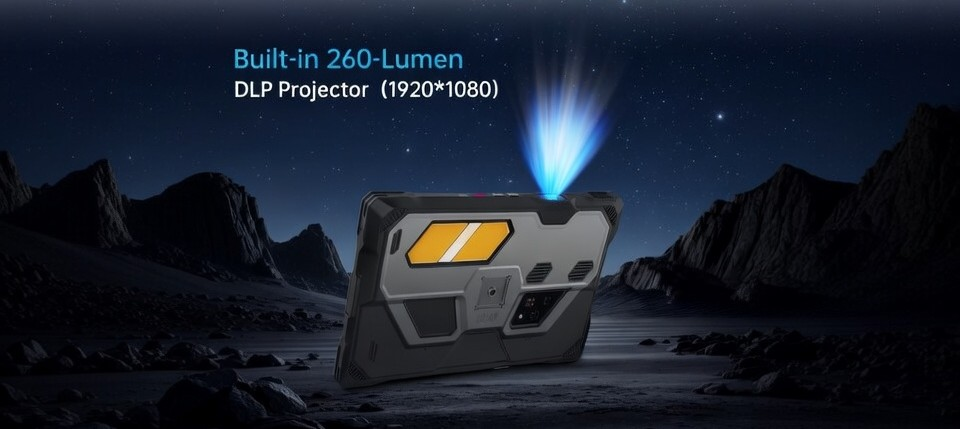
What truly sets the TANK Pad Ultra apart is its built-in 260-lumen 1080p projector—the first of its kind in a rugged tablet. It allows you to project sharp, daylight-visible presentations, maps, or training videos up to 4 meters away with auto-focus.
Complementing this are a 64MP night vision camera with infrared LEDs for after-dark documentation, a 4M laser rangefinder for quick measurements, dual-frequency GNSS for reliable navigation, and handy tools like high-brightness camping lights. For professionals working in construction, logistics, engineering, or wilderness environments, this tablet offers unmatched versatility in one rugged package.
How Do Rugged Tablets Stay Connected and Secure?
Field devices often handle sensitive data. They also need dependable location and network performance. Rugged tablets are often designed with both needs in mind.
Reliable GPS and Strong Wireless
Many rugged tablets include dedicated GPS hardware that can hold a better signal in difficult areas. This can matter in remote locations, dense cities, or places with poor reception.
Wireless features like fast Wi‑Fi and modern Bluetooth also help with daily work, such as connecting scanners, sensors, headsets, or vehicle systems.
Keeping Company Data Safe
Field tablets often store job photos, customer details, site records, and internal reports. For many teams, security is not optional.
Some rugged tablets support hardware-backed security features and biometric locks, such as fingerprint unlock. The exact security tools vary, so it helps to match the device to your company policy and the apps you use.
Conclusion
Choosing technology for field work means matching the tool to the environment. If your team deals with dust, rain, drops, or constant vibration, a consumer tablet is a risk. Rugged tablets are built for those conditions. They are designed to stay readable outside, keep working with gloves, and survive the accidents that happen on real job sites.
They can also reduce downtime. Better durability, longer battery options, and useful field features can help work move faster with fewer interruptions.
If your tablet is part of how the job gets done, rugged gear is not just protection. It is a practical way to keep work steady, even when the environment is not.
Frequently Asked Questions
Can Rugged Tablets Run the Same Apps as My Regular Phone?
Yes, in many cases they can. Most rugged tablets run standard operating systems like Android or Windows, so they support common apps and many field-service platforms. Compatibility depends on the specific model and OS version.
Are Rugged Tablets Too Heavy for Daily Field Use?
Rugged tablets are often heavier than consumer tablets because they use reinforced frames and larger batteries. For most field teams, the extra weight is a fair trade for fewer breaks, longer runtime, and better protection.