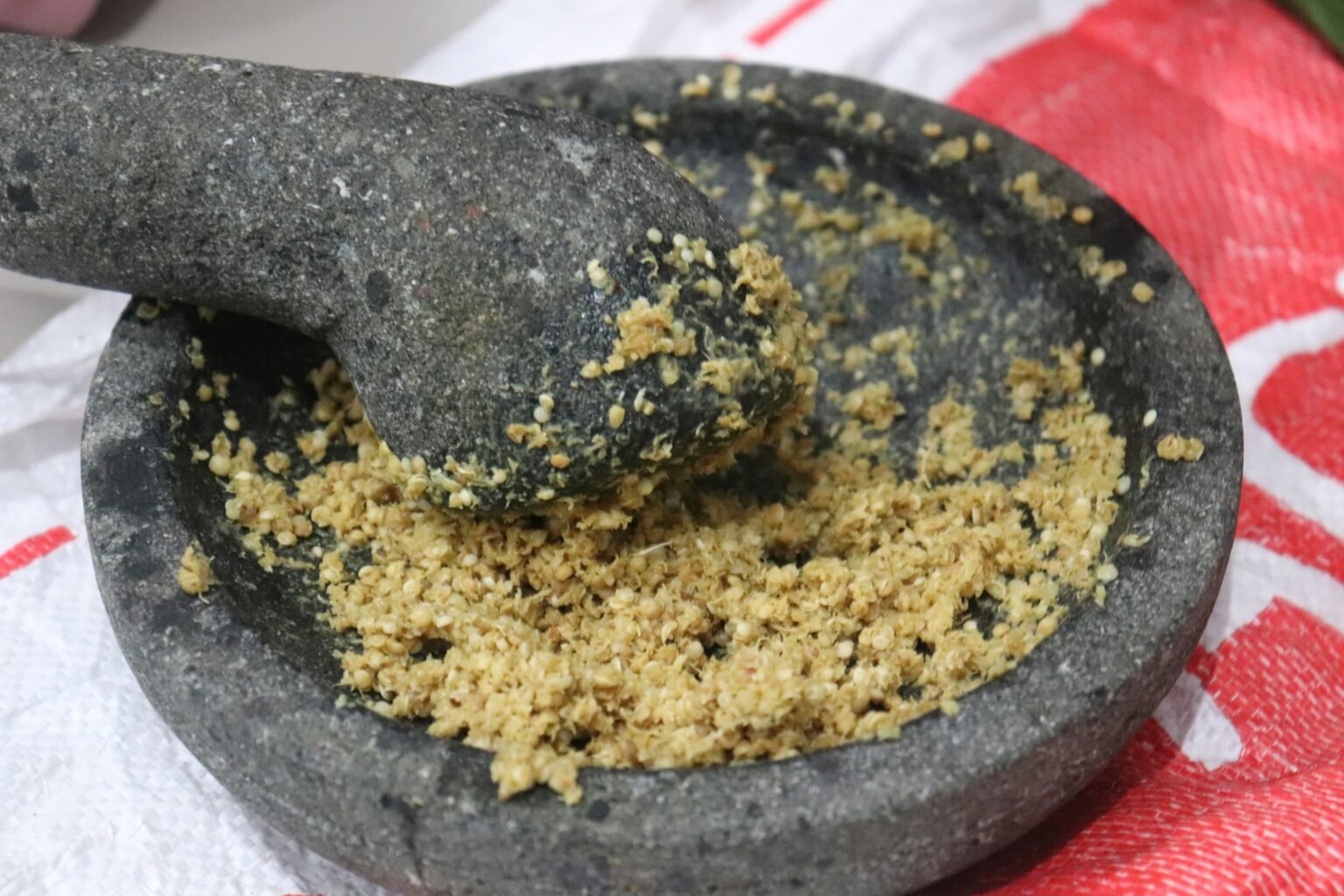
Introduction to Sesame Paste
Sesame paste is a creamy, nutty delight that has been cherished for centuries. Known as tahini in Middle Eastern cuisine, this versatile ingredient adds depth and richness to a variety of dishes. Whether you’re drizzling it over salads, blending it into sauces, or using it as a dip, sesame paste can elevate your culinary creations.
- Introduction to Sesame Paste
- Health Benefits of Sesame Paste
- Ingredients Needed for Sesame Paste
- Step 1: Roasting the Sesame Seeds
- Step 2: Grinding the Roasted Seeds
- Step 3: Mixing in Oil and Optional Flavors
- Storage and Usage Tips for Sesame Paste
- Creative Ways to Use Sesame Paste in Recipes
- Conclusion
- FAQs
But what makes sesame paste so special? Beyond its delicious flavor profile, it’s packed with nutritional benefits. From heart health to skin glow, this humble seed holds the key to enhancing both taste and wellness.
Ready to whip up your own batch at home? This step-by-step guide will walk you through everything you need to know about preparing perfect sesame paste. Grab your apron and let’s get started!
Health Benefits of Sesame Paste
Sesame paste is more than just a delicious ingredient; it’s packed with nutritional benefits. Rich in healthy fats, particularly unsaturated fatty acids, it supports heart health and lowers bad cholesterol levels.
This creamy spread is also an excellent source of protein, making it a great option for vegetarians and those looking to add substance to their meals. Additionally, sesame paste boasts essential vitamins and minerals such as calcium, iron, and magnesium—key components for strong bones and overall vitality.
The antioxidants found in sesame seeds contribute to reducing inflammation in the body. Regular consumption may even boost your skin health by keeping it supple and radiant.
Moreover, its high fiber content aids digestion and promotes gut health. Incorporating sesame paste into your diet can offer significant wellness advantages while enhancing flavors in various dishes.
Ingredients Needed for Sesame Paste
To make perfect sesame paste, you’ll need just a few simple ingredients. The star of the show is, of course, sesame seeds. Opt for raw or toasted seeds based on your flavor preference.


If you’re looking for creaminess and a silkier texture, add a neutral oil like grapeseed or sunflower oil. This will help achieve that smooth consistency we all love in sesame paste.
Some recipes might call for salt to enhance the flavors. A pinch can go a long way in elevating the taste profile without overpowering it.
For those who enjoy an extra kick, consider adding optional ingredients such as garlic powder or spices like cumin. These can give your paste unique flair.
With these basics in hand, you’re ready to get started!
Step 1: Roasting the Sesame Seeds
Roasting sesame seeds is a crucial step in making rich and flavorful sesame paste. Start by selecting high-quality, raw sesame seeds. The fresher the seeds, the better the taste.
Preheat your oven to 350°F (175°C). Spread the seeds evenly on a baking sheet in a single layer. This ensures even roasting and prevents burning.
Keep an eye on them as they roast for about 10 minutes. You’ll know they’re ready when they turn golden brown and emit a nutty aroma. Stir occasionally to achieve uniform color.
If you prefer, you can also roast them on the stovetop using a dry skillet over medium heat. Just be sure to stir frequently to avoid scorching.
Once roasted, let them cool completely before moving on to grinding. This will enhance their flavor profile significantly in your final paste.
Step 2: Grinding the Roasted Seeds
Once your sesame seeds are perfectly roasted, it’s time to take them to the next level by grinding. This step is crucial for achieving that smooth and creamy texture characteristic of high-quality sesame paste.
Begin by allowing the seeds to cool completely. Hot seeds can release too much oil prematurely, leading to a less-than-ideal consistency.
When you’re ready, transfer the cooled seeds into a food processor or spice grinder. It’s best to work in small batches if you have a larger quantity; this ensures an even grind without any clumping.
Pulse the grinder intermittently rather than running it continuously. This method allows you better control over texture and prevents overheating from friction. As they start breaking down, scrape down any bits stuck on the sides for uniform results.
The goal here is silky smoothness; don’t rush this process! Patience will reward you with delightful homemade sesame paste.
Step 3: Mixing in Oil and Optional Flavors
Once your ground sesame seeds are smooth and creamy, it’s time to elevate the flavor. Adding oil is crucial for achieving that velvety texture. Use a neutral oil like grapeseed or a flavorful option such as toasted sesame oil; both work wonders.
Next comes the fun part—flavors! You can keep it simple with a pinch of salt for balance. If you’re feeling adventurous, consider incorporating garlic powder, chili flakes, or even honey for a hint of sweetness.
Mix everything together until you achieve an even consistency. Adjust the amount of oil based on how thick or runny you prefer your paste. This step allows you to customize your sesame paste exactly to your taste preferences.
Experimenting at this stage opens up countless culinary possibilities while making each batch uniquely yours. The right combination can turn ordinary dishes into extraordinary ones!
Storage and Usage Tips for Sesame Paste
To keep your sesame paste fresh, store it in an airtight container. A glass jar works best. Make sure to seal it tightly after each use.
Refrigeration is highly recommended. This can extend its shelf life up to six months. If you notice any separation, just give it a good stir before using.
When it comes to usage, start with small amounts in recipes. It has a rich flavor that can easily overpower other ingredients if you’re not careful.
Consider drizzling sesame paste over salads or mixing it into dressings for added depth. You can also spread it on toast for a delicious breakfast alternative.
Experiment with adding herbs or spices directly into the paste for unique flavor profiles tailored to your dishes. The versatility of sesame paste allows you to get creative!
Creative Ways to Use Sesame Paste in Recipes
Sesame paste is a versatile ingredient that can elevate many dishes. It adds depth and richness to dressings, making them more flavorful. Simply whisk together sesame paste with soy sauce, rice vinegar, and a touch of honey for an irresistible salad dressing.
In soups or stews, a spoonful of sesame paste enhances the creaminess while infusing nutty notes. Stir it into your favorite broth-based dish for added texture.
For those who enjoy baking, mix sesame paste into cookie dough or muffins. The result? A delightful twist on classic recipes that offers both flavor and nutrition.
Don’t forget about dips! Blend it with garlic, lemon juice, and tahini to create a creamy dip perfect for fresh veggies or pita chips.
Drizzle some over grilled meats or roasted vegetables for an unexpected burst of taste that will impress your guests at any gathering.
Conclusion
Sesame paste is more than just a simple ingredient; it’s a versatile staple that can elevate your culinary creations. Its rich flavor and creamy texture make it a favorite in many cuisines around the world.
Experimenting with sesame paste opens up endless possibilities for creativity in the kitchen. Whether you use it as a dip, dressing, or base for sauces, its unique taste can transform ordinary dishes into something extraordinary.
With easy preparation steps and health benefits on top of that, making your own sesame paste at home is an accessible task. Plus, knowing exactly what goes into your food adds peace of mind to every meal.
Embrace this delightful ingredient and let your imagination run wild in exploring diverse recipes. Sesame paste awaits to inspire delicious moments at your table!
FAQs
What is sesame paste made of?
Sesame paste, also known as tahini, is primarily made from ground roasted sesame seeds. It may also contain added oil for a smoother texture and optional flavors like garlic or lemon juice.
How long does homemade sesame paste last?
When stored in an airtight container in the refrigerator, homemade sesame paste can last for up to one month. Be sure to check for any signs of spoilage before using it.
Can I use raw sesame seeds instead of roasted ones?
While you can use raw sesame seeds, roasting them enhances their flavor and aroma. Roasted seeds create a richer and more delicious taste profile in your final product.
Is there a substitute for sesame paste?
If you don’t have sesame paste on hand, consider using almond butter or sunflower seed butter as alternatives. However, keep in mind that these substitutes will alter the flavor slightly.
Can I make nut-free versions of dishes that typically include sesame paste?
Absolutely! You can replace it with other components such as yogurt or cooked beans depending on the recipe’s requirements while still achieving creamy textures and rich flavors without nuts.
Feel free to explore all the ways you can enjoy this versatile ingredient!