Making your living space comfortable and accessible for everyone does not require a massive budget. Many homeowners think accessibility upgrades mean completely tearing down walls or undertaking stressful renovations. However, you can make significant improvements through strategic, cost-effective updates. This guide will show you practical ways to enhance mobility, safety, and comfort throughout your home while keeping your expenses in check. You will learn about simple room adjustments, smart technology additions, and ways to handle tricky staircases.
Quick and Cost-Effective Adjustments
Rearranging Furniture for Better Flow
Sometimes the best upgrades cost nothing at all. Start by examining the layout of your living areas. Bulky couches and poorly placed coffee tables can create frustrating obstacles. Try moving your furniture to create wide, clear pathways. A clearance of at least thirty-two inches allows wheelchairs and walkers to pass easily. Remove loose area rugs that might cause trips or slips. Taping down carpet edges provides a smoother surface for mobility devices.
Upgrading Lighting for Visibility
Good lighting is essential for preventing accidents and improving overall comfort. Dim hallways and poorly lit staircases present hidden dangers. You can replace low-wattage bulbs with brighter LED options to instantly improve visibility. Plug-in motion sensor lights offer a highly affordable way to illuminate dark corners at night. Placing these inexpensive sensors along the baseboards of hallways guides people safely to the bathroom or kitchen without fumbling for light switches.
Modifying High-Traffic Zones
Bathroom Modifications on a Budget
The bathroom often poses the greatest challenge for home accessibility. Fortunately, you can install grab bars near the toilet and shower without draining your savings. These sturdy fixtures provide crucial support and balance. Instead of a costly full shower remodel, consider adding a tension-mounted shower rod to hold a handheld showerhead. A heavy-duty shower chair also offers instant safety for those who cannot stand for long periods. You can apply non-slip adhesive strips to the bathtub floor for extra traction.
Making Kitchens More User-Friendly
Kitchens require minor tweaks to become highly functional. Swap out hard-to-grasp cabinet knobs for D-shaped pull handles. This small hardware change makes opening drawers much easier for people with limited hand strength. Move frequently used dishes and appliances to lower shelves so no one has to reach dangerously high or bend down too far. Pull-out pantry shelves require a small upfront investment but save a lot of physical strain over time.
Smart Hardware and Technology Additions
Upgrading Doorways and Thresholds
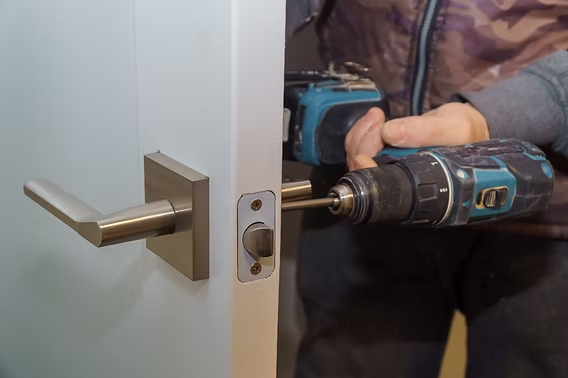
Standard doorways can feel tight for wheelchairs or walkers. While widening a doorframe requires construction, using offset hinges is a cheap workaround. These special hinges swing the door completely clear of the frame, adding up to two inches of clearance. Additionally, threshold ramps smooth out the small bumps between different types of flooring. These small rubber or aluminum wedges prevent wheels from getting stuck and reduce tripping hazards.
Utilizing Smart Home Technology
Smart home devices have dropped significantly in price. Voice-activated speakers allow users to control lighting, adjust thermostats, and lock doors without moving from a chair. Smart plugs can turn any standard lamp into a remote-controlled light. These gadgets eliminate the need to reach for awkward switches or walk across dark rooms. Setting up a few smart hubs costs very little but dramatically increases independence.
Addressing Stairs and Changes in Elevation
Installing Ramps and Handrails
Steps leading up to the front door can stop someone in their tracks. A portable or modular aluminum ramp offers a budget-friendly alternative to pouring concrete. These ramps can be installed quickly and adjusted as needed. Inside the house, ensure every staircase has secure handrails on both sides. A wobbly railing provides a false sense of security, so tightening existing hardware is a vital first step.


Exploring Vertical Mobility Options
Moving between multiple floors presents a larger hurdle. Chair lifts provide a popular mid-range solution for straight staircases, especially for homeowners looking for a practical way to maintain independence without major renovations. One of the first things most people want to know is the price, so it’s worth understanding installation costs before making any decisions. If you are dealing with a more complex floor plan or specific mobility needs, exploring local resources can yield surprising options. For example, looking into affordable home elevators in Las Vegas NV can show you that long-term vertical transport is becoming more accessible for average households. Comparing different local installation options helps you find a system that fits your budget and specific architectural layout.
Creating a Long-Term Accessibility Plan
You do not need to tackle every project in a single weekend. The best approach involves assessing your most urgent needs and fixing those first. Start with zero-cost tasks like rearranging furniture and clearing clutter. Then, budget for smaller hardware upgrades like grab bars and new cabinet pulls. By taking a step-by-step approach, you can create a safe, welcoming, and inclusive living space for a fraction of the cost of a major remodel.