Picture yourself carving down a steep alpine slope when a sudden gust of wind, blinding glare, or a fogged-up lens throws everything off. In skiing and winter sports, your vision is everything — and the gear protecting it can mean the difference between a thrilling run and a dangerous one. Yet countless outdoor enthusiasts still underestimate how much their goggles affect their experience on the mountain.
- Why Ski Goggles Are Essential for Outdoor Sports Lovers
- Key Features to Look for in the Best Ski Goggles
- Top Ski Goggles Reviews: From OHO Sunshine to Smart Goggles
- How to Choose Your Ideal Ski Goggles: A Step-by-Step Solution Guide
- Maintaining Your Skiing Accessories for Longevity
- Gear Up with Confidence: Making the Right Goggle Choice
From persistent fogging in humid conditions to uncomfortable pressure points during long days on the slopes, choosing the wrong pair of ski goggles creates real problems. Glare off fresh snow strains your eyes, poor ventilation clouds your lenses at the worst moments, and an ill-fitting frame turns an exciting adventure into an endurance test.
This guide is designed to cut through the noise and help you find the best ski goggles for extreme comfort and performance. Whether you’re a seasoned backcountry skier or a weekend warrior hitting groomed trails, we’ll walk you through the essential features to prioritize, highlight standout models including OHO Sunshine and the latest smart goggles, and give you a practical framework for making the right choice — plus tips to keep your gear performing season after season.
Why Ski Goggles Are Essential for Outdoor Sports Lovers
When you’re pushing hard through variable terrain, your goggles are doing far more than keeping snow out of your eyes. They form a critical barrier between your vision and the mountain’s harshest elements — UV radiation, biting wind, airborne ice crystals, and flying debris. At high altitudes, UV exposure intensifies significantly, and without proper lens protection, prolonged exposure can cause photokeratitis, essentially a sunburn on your corneas. That’s not a minor inconvenience; it can sideline you for days.
Performance also takes a direct hit when your eyewear fails you. A fogged lens forces you to slow down or stop at exactly the wrong moment. Glare off fresh powder distorts depth perception, making it harder to read terrain features accurately — a serious risk on steep or icy runs. Wind without eye protection causes tearing that blurs your vision just when you need it sharpest.
For outdoor sports lovers who demand reliable gear across changing conditions, goggles aren’t optional equipment — they’re foundational. Skiers, snowboarders, and backcountry adventurers all face unpredictable weather shifts, from bright midday sun to flat-light overcast that flattens contrast and hides hazards. Gear that can’t adapt to those swings becomes a liability. Choosing poorly fitting or underpowered goggles leads to discomfort that compounds over a full day on the slopes, distracting you from technique and enjoyment alike. Investing in the right pair from the start means fewer compromises, better awareness, and ultimately a safer, more satisfying experience every time you head out.
Key Features to Look for in the Best Ski Goggles
Not all goggles are created equal, and understanding what separates exceptional eyewear from mediocre options helps you invest wisely. The best ski goggles balance optical clarity, structural comfort, and adaptability to shifting mountain conditions — qualities that matter enormously when you’re deep in a demanding run with no margin for equipment failure.
Lens Innovations for Clarity and Protection
Lens technology is where performance goggles truly distinguish themselves. Look for Variable Light Transmission (VLT) ratings that match your typical conditions — lower VLT suits bright sunny days, while higher VLT lenses open up visibility in flat light or overcast skies. Anti-fog dual-pane lenses trap air between layers to prevent condensation, and photochromic lenses automatically adjust tint as light changes, eliminating the need to swap lenses mid-run. Interchangeable lens systems offer the best of all worlds, letting you customize your setup before heading out. UV400 coatings are non-negotiable for high-altitude protection, blocking virtually all harmful ultraviolet radiation regardless of cloud cover.



Frame and Fit: Ensuring All-Day Comfort
A technically superior lens means nothing inside a frame that digs into your face after two hours. Flexible polyurethane frames conform to facial contours without cracking in extreme cold, while triple-layer foam with moisture-wicking fleece lining cushions pressure points and pulls sweat away from your skin. Helmet compatibility is equally critical — over-the-goggle (OTG) designs accommodate eyeglass wearers, and low-profile frames eliminate the gap between goggle and helmet that lets cold air and snow intrude. Adjustable, silicone-backed straps keep everything locked in place during aggressive movement, preventing slippage that disrupts your focus at the worst possible moments. Proper ventilation channels integrated into the frame further prevent fogging by promoting steady airflow across the lens surface without sacrificing the seal against wind and debris.
Top Ski Goggles Reviews: From OHO Sunshine to Smart Goggles
The market for high-performance ski goggles has never been more competitive, with manufacturers pushing boundaries in optical technology, materials science, and digital integration. Narrowing down the field means focusing on models that genuinely solve the problems outdoor sports enthusiasts encounter — fogging at altitude, inadequate contrast in flat light, and discomfort during extended sessions. Here’s how the standout options stack up.
OHO Sunshine Goggles: A Closer Look
OHO Sunshine goggles have earned a strong reputation among serious skiers for delivering reliable optical clarity without unnecessary complexity. Their dual-pane anti-fog lenses handle humidity and temperature swings effectively, making them a dependable choice across variable mountain conditions. The frame uses flexible, cold-resistant materials that maintain their shape even in subzero temperatures, while the triple-layer foam creates a comfortable, pressure-free seal against the face. Helmet compatibility is well-executed, with a low-profile design that eliminates the frustrating gap many goggles leave exposed. Brands like OHO Sunshine have built their following precisely by focusing on these practical, skier-first priorities rather than flashy features that rarely hold up under real mountain conditions. For outdoor sports lovers who want proven performance without chasing the latest gadgetry, OHO Sunshine offers a compelling balance of durability and optical quality that holds up across full seasons of heavy use.
The Rise of Smart Goggles in Skiing
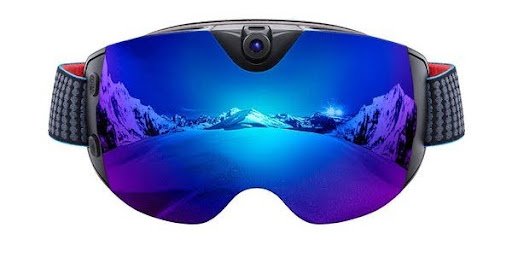
Smart goggles represent a genuine leap forward for data-driven skiers. Models equipped with heads-up displays (HUDs) project real-time information — speed, altitude, run distance, navigation cues — directly onto the lens without forcing you to glance at a separate device. Bluetooth connectivity syncs with smartphones and GPS units, while some systems integrate with ski resort apps for trail mapping. Battery life has improved significantly in recent generations, with most units lasting a full day on a single charge. The trade-off is added weight and a higher price point, but for backcountry adventurers and performance-focused skiers who want situational awareness built into their eyewear, the technology delivers meaningful, practical advantages on demanding terrain.
How to Choose Your Ideal Ski Goggles: A Step-by-Step Solution Guide
Finding the right pair starts with an honest assessment of how and where you actually ski. A resort skier who sticks to groomed runs under variable cloud cover has different needs than a backcountry tourer logging long days in unpredictable alpine weather. Define your primary activity first, then let that drive every subsequent decision. If you ski in multiple conditions, prioritize goggles with interchangeable lenses or photochromic technology that adapts without requiring a mid-day swap.
Next, think seriously about fit before anything else. Try goggles on with your actual helmet — not just any helmet, but the one you wear on the mountain. Press the frame gently against your face and check for even contact around the entire perimeter. There should be no pressure points at the bridge of your nose or temples, and no gaps where cold air can funnel in along the sides. If you wear prescription glasses, confirm OTG compatibility before committing to any model.
Evaluate lens options relative to the light conditions you encounter most. Check the VLT percentage: 10–20% suits bright, high-contrast days, while 50–80% opens up visibility when overcast skies flatten the terrain. Anti-fog coatings and dual-pane construction are worth prioritizing regardless of budget level, since fogging is the single most common complaint among skiers at every experience level.
Finally, set a realistic budget and stick to it. Quality goggles exist across a wide price range, and spending more doesn’t automatically mean better performance for your specific needs. Focus your budget on the features that directly address your conditions — lens adaptability, frame comfort, and fog resistance — rather than premium branding or tech features you won’t realistically use on your typical runs.
Maintaining Your Skiing Accessories for Longevity
Even the best ski goggles will underperform if you neglect basic care between sessions. Proper maintenance isn’t complicated, but it does require consistency — and the habits you build now directly determine how long your gear stays reliable on the mountain.
Cleaning your lenses correctly is the single most important routine. Never wipe a dry lens with a rough cloth or sleeve; grit trapped on the surface will scratch the coating permanently. Instead, rinse lenses gently with lukewarm water to remove debris, then pat dry using only the microfiber cloth included with your goggles. Avoid household glass cleaners or alcohol-based products, which strip anti-fog and UV coatings over time. For the interior anti-fog surface, resist the urge to wipe at all — blotting lightly or simply air-drying preserves the coating far longer.
Storage matters as much as cleaning. After each day on the slopes, let your goggles air out completely before sealing them in a case — trapping moisture accelerates foam degradation and promotes mold growth in the padding. Store them in the provided hard or soft case with the lens facing outward, away from sharp objects that could scratch the surface. Keep goggles out of direct sunlight during off-season storage, since prolonged UV exposure degrades foam and frame materials even when you’re not wearing them.
Inspect your gear at the start of each season. Check foam integrity, strap elasticity, and lens clarity before heading out. Replacing worn foam or a scratched lens costs far less than buying entirely new goggles — and keeps your outdoor sports gear performing at the level you paid for.
Gear Up with Confidence: Making the Right Goggle Choice
Great skiing comes down to preparation, and your goggles are a bigger part of that equation than most people realize. Throughout this guide, we’ve covered why proper eye protection is non-negotiable on the mountain — shielding you from UV radiation, wind, debris, and the visibility failures that turn exciting runs into risky ones. We’ve broken down the features that actually matter: lens technology that adapts to changing light, frames engineered for all-day comfort, ventilation that keeps fogging at bay, and fit that works seamlessly with your helmet.
Among the standout options, OHO Sunshine goggles prove that reliable performance doesn’t require unnecessary complexity, while smart goggles with HUD integration open up new possibilities for data-driven skiers who want situational awareness built directly into their eyewear. The step-by-step selection process gives you a clear path from assessing your conditions to locking in the right fit and lens setup — without overspending on features you won’t use. And with consistent care habits, the pair you choose today can deliver dependable performance for many seasons ahead.
Investing in quality ski goggles isn’t just about comfort — it’s about showing up to every run with confidence, clarity, and gear that won’t let you down when conditions get demanding. Choose well, maintain what you have, and the mountain becomes a far more rewarding place to be.