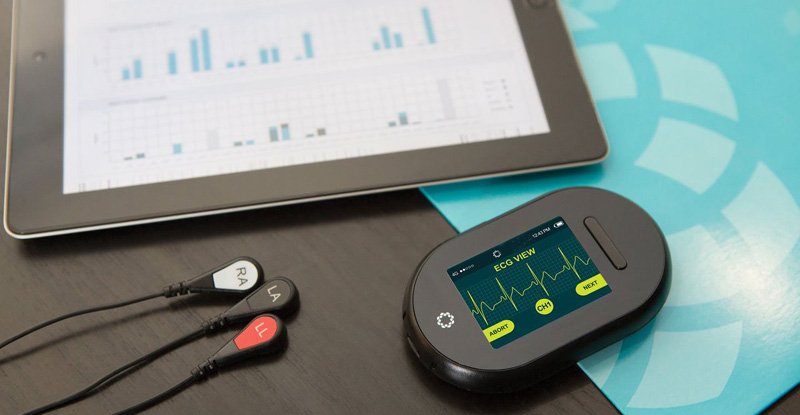
Introduction to Mobile Cardiac Telemetry Systems (MCTS)
Mobile cardiac telemetry systems are revolutionizing the way we monitor heart health. Imagine a world where your heartbeat can be tracked in real-time, no matter where you are. With advancements in technology, this is becoming a reality. These systems offer healthcare providers and patients unprecedented access to vital information, making it easier to detect irregularities and respond promptly.
As our understanding of cardiovascular health deepens, so does the need for innovative solutions that keep pace with modern lifestyles. Mobile cardiac telemetry not only enhances patient care but also empowers individuals to take charge of their own health journey. In this rapidly evolving field, let’s explore how mobile cardiac telemetry systems are shaping the future of healthcare and what lies ahead for this dynamic market.
Evolution of MCTS and its Advantages
Mobile cardiac telemetry systems (MCTS) have come a long way since their inception. Initially, monitoring was limited to hospital settings. Patients had to remain tethered to bulky machines, restricting mobility.
With advancements in technology, MCTS evolved into portable devices that enable real-time monitoring from anywhere. Wearable sensors and smartphones now play a pivotal role in this transformation.
The advantages are significant. First, these systems enhance patient comfort by allowing them to go about their daily lives without constant supervision. This freedom encourages adherence to treatment plans.
Moreover, remote monitoring leads to quicker detection of abnormalities. Healthcare providers can access data instantaneously, facilitating timely interventions when necessary.
Additionally, the cost-effectiveness of mobile cardiac telemetry systems cannot be overlooked. They reduce the need for lengthy hospital stays and allow healthcare resources to be allocated more efficiently.
Market Size and Growth Predictions
The mobile cardiac telemetry market is experiencing robust growth. This surge can be attributed to the increasing prevalence of cardiovascular diseases and the rising demand for remote patient monitoring solutions.



Market research indicates that MCTS will expand significantly over the next few years. Analysts predict a compounded annual growth rate (CAGR) in double digits, showcasing strong investor interest and technological advancements.
Aging populations are driving this trend further. As more individuals seek convenient healthcare options, mobile cardiac telemetry systems are becoming essential tools for both patients and healthcare providers.
Additionally, favorable reimbursement policies are enhancing access to these technologies. Hospitals and clinics recognize the value of MCTS in improving patient outcomes while reducing readmission rates, creating a win-win scenario in healthcare delivery.
With every passing year, innovations continue to refine these systems, making them more efficient and user-friendly—an evolution that promises significant implications for future market dynamics.
Key Players in the MCTS Market
The mobile cardiac telemetry market is shaped by several influential players. Leading companies like Medtronic, Biotelemetry, and Philips are at the forefront of innovation. They invest heavily in research to enhance monitoring accuracy.
Emerging startups also play a vital role. Companies such as Zio by iRhythm Technologies bring fresh perspectives with their advanced algorithms and user-friendly devices. Their solutions cater specifically to patient needs.
Collaboration among these key players fosters competition and drives advancements. Partnerships between tech firms and healthcare providers enable the development of integrated platforms that streamline data sharing.
Regulatory bodies remain crucial too, ensuring that products meet safety standards while encouraging innovation in mobile cardiac telemetry systems. This dynamic landscape creates opportunities for new entrants aiming to disrupt traditional approaches, ultimately benefiting patients through improved care options.
Technological Innovations in MCTS
Technological innovations are transforming mobile cardiac telemetry systems. These advancements enhance monitoring capabilities and improve patient outcomes.
Wearable devices have taken center stage. Smartwatches and fitness trackers now offer advanced heart rate monitoring features, allowing continuous data collection in real-time. This convenience enables patients to maintain an active lifestyle while staying connected to their healthcare providers.
Artificial intelligence plays a critical role too. AI algorithms analyze vast amounts of data quickly, identifying patterns that may indicate potential health issues. This proactive approach facilitates early intervention and personalized care plans tailored to individual needs.
Cloud computing has revolutionized data storage and accessibility as well. With secure cloud solutions, healthcare professionals can easily access patient information from anywhere, ensuring timely decision-making during emergencies.
Telehealth integration is another game changer, providing seamless communication between physicians and patients regardless of location. This enhances follow-up care and fosters better engagement in managing cardiac health.
Challenges and Opportunities in the MCTS Market
The mobile cardiac telemetry market faces various challenges that could impact its growth. Regulatory hurdles loom large, with strict compliance requirements governing device approvals and data privacy. These regulations can slow down innovation, making it difficult for new entrants to compete.
On the flip side, these complexities create opportunities for established players to strengthen their market position by offering compliant solutions.
Furthermore, as healthcare shifts towards value-based care models, MCTS technology is becoming increasingly relevant. Hospitals and clinics seek efficient ways to monitor patient health remotely while reducing costs.
Integration with telehealth platforms is another promising avenue. It allows seamless communication between patients and providers, enhancing care delivery.
As the demand for remote monitoring continues to rise, organizations that navigate regulatory landscapes effectively will likely thrive in this evolving marketplace. The ability to adapt quickly will define success in the years ahead.
Future Outlook and Potential Impact on Healthcare Industry
As we look ahead, the future of mobile cardiac telemetry systems (MCTS) appears promising. The healthcare industry is increasingly recognizing the value of remote monitoring technologies. These systems not only enhance patient care but also improve operational efficiency for healthcare providers.
With advancements in technology, MCTS are becoming more sophisticated and user-friendly. The integration of artificial intelligence and machine learning will likely allow for better data analysis, leading to quicker diagnosis and treatment plans tailored to individual patients. This level of personalization could significantly change how cardiovascular diseases are monitored and managed.
Moreover, as telehealth continues to grow in popularity, MCTS will play a critical role in enabling continuous patient engagement outside traditional clinical settings. Patients can maintain their routines while being closely monitored from home or on-the-go.
Regulatory support is also expected to bolster the market momentum. As policies evolve to favor remote patient monitoring solutions, manufacturers will have greater opportunities for growth and innovation.
The impact on the healthcare landscape may be profound—potentially reducing hospital visits while ensuring timely interventions when necessary. With ongoing investments in research and development, the mobile cardiac telemetry sector stands at a pivotal point that could redefine patient outcomes drastically over time.