Migraines affect millions of people across the UK, yet they are still widely misunderstood. Many people dismiss them as bad headaches, but a migraine is a very different condition. It can last for hours or even days and can make it impossible to carry out everyday tasks. Understanding what a migraine actually is, and what treatment options exist, is an important step for anyone who experiences them regularly.
What Happens During a Migraine?
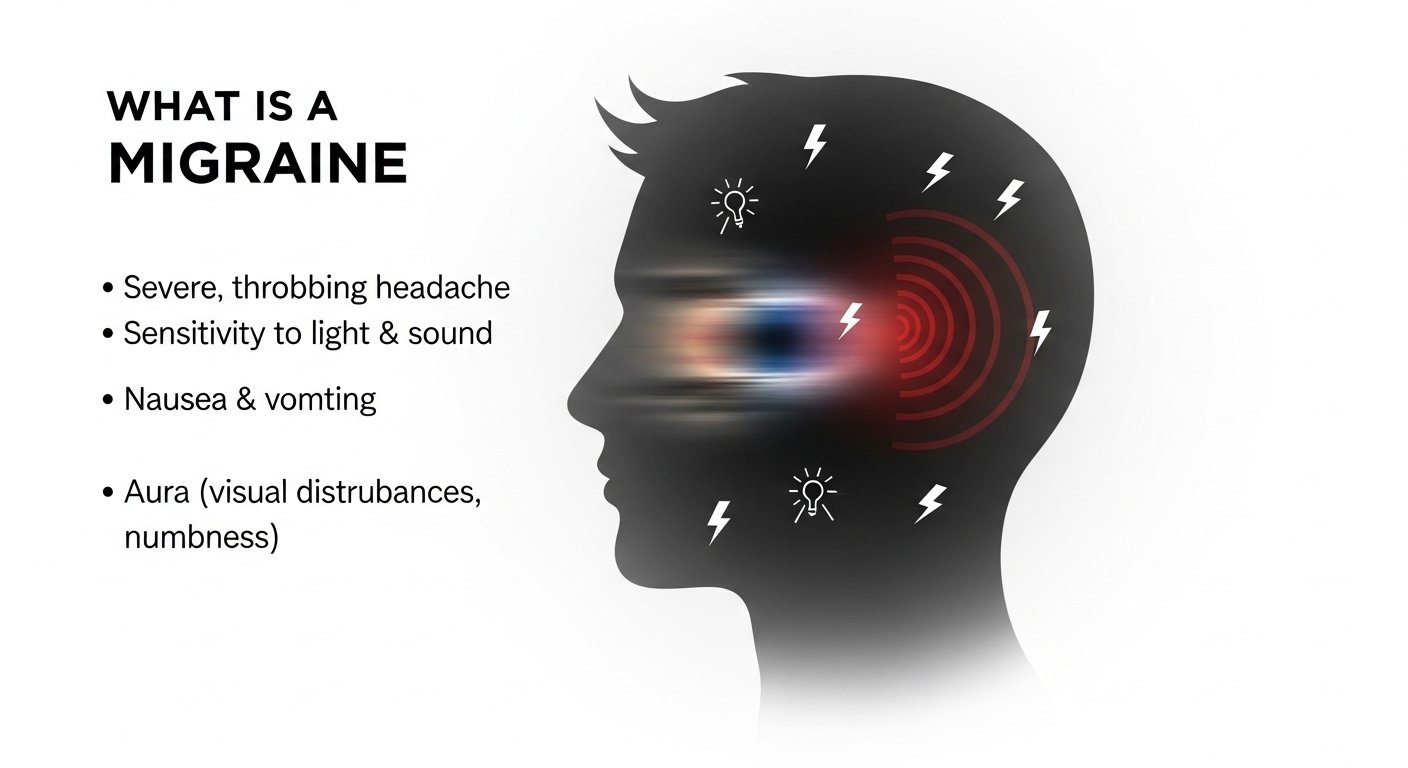
A migraine is a neurological condition. This means it involves the brain and nervous system, not just the head. During a migraine attack, changes occur in the brain that affect the way it processes signals. This leads to intense, throbbing head pain, usually on one side of the head. Other common symptoms include feeling sick, being sick, and a strong sensitivity to light and sound.
Some people also experience something called an aura before the pain begins. An aura is a group of warning signs that can include seeing flashing lights or zigzag patterns, feeling numbness or tingling, or having difficulty speaking. Not everyone gets an aura, and some people get one without any headache at all.
Migraines are thought to be linked to changes in brain chemicals, particularly one called serotonin. Triggers can vary widely from person to person. Common ones include stress, certain foods and drinks, lack of sleep, dehydration, hormonal changes, and strong smells.
Who Is Affected?
Migraines are one of the most common health conditions in the world. In the UK, it is estimated that around 10 million people live with migraines. They can affect anyone, but they are most common in adults between their 20s and 50s, and they tend to affect women more than men, partly due to hormonal factors.
For many people, migraines are more than just a physical problem. They can affect work, relationships, and mental health. People who have frequent migraines often find it difficult to make plans or commitments, not knowing when the next attack might strike.
How Are Migraines Treated?
There is currently no cure for migraines, but there are treatments that can help to reduce how often they happen and how severe they are. Treatment generally falls into two categories: relief treatments and preventive treatments.
Relief treatments are taken when a migraine starts. These include over-the-counter painkillers such as paracetamol or ibuprofen, as well as prescription medicines called triptans that work by narrowing blood vessels in the brain.



Preventive treatments are taken regularly to reduce the number of migraines a person experiences. These can include certain blood pressure medicines, antidepressants, and anti-epileptic drugs. More recently, a class of medicines called CGRP inhibitors has shown promise. These target a specific protein in the brain that is thought to play a key role in migraines.
The Role of Clinical Research
Because migraines are so complex and affect so many people, research into new treatments is ongoing. Clinical trials play an important part in this process. They allow scientists and doctors to test whether new medicines or treatments are safe and effective before they become widely available.
People who experience regular migraines and want to contribute to this research may be eligible to take part in a study. Those interested in migraine clinical trials UK can find out whether they qualify and what participation involves.
Taking part in a clinical trial is voluntary. Participants are fully informed about the study before they agree to join, and they can leave at any time. Travel expenses are usually covered. Participants receive careful monitoring from a qualified medical team throughout the process, which means any changes in their health are closely watched.
Why Research Matters
Every approved migraine treatment available today only exists because participants took part in clinical trials at some point. Research helps doctors understand the condition better and develop more targeted, effective medicines.
For people whose current treatments are not working well enough, a clinical trial can offer access to new approaches that are not yet available elsewhere. Those who would like to learn more about what is involved in migraine clinical trials UK can explore the available options and speak with a medical team about whether participation is suitable for them.
Medical disclaimer: This article is for general information only and does not constitute medical advice. If you think you may have migraines or any other health condition, please speak to a qualified healthcare professional. Do not make changes to your medication or treatment without first consulting your doctor or pharmacist.