Integrating an indirect water heater with your furnace or boiler is a smart way to provide continuous hot water while saving energy. These systems use the heat already generated by your home’s boiler or furnace to warm water, reducing the need for separate energy sources.
However, a poorly integrated system can lead to reduced efficiency, higher energy bills, and even damage to your equipment. Avoiding common mistakes during installation and setup ensures your indirect water heater operates safely and efficiently. This guide will cover key considerations, common pitfalls, and practical tips for homeowners and business owners alike.
What Is an Indirect Water Heater?
An indirect water heater is a tank system that uses heat from your furnace or boiler to heat water stored in the tank. Unlike traditional water heaters, it does not have a separate energy source. Instead, a heat exchanger transfers energy from the hot water in your heating system to the domestic hot water supply.
How It Works With Your Furnace or Boiler
The furnace or boiler heats water in the home’s main heating loop. This hot water circulates through the heat exchanger in the indirect water heater, warming the tank water for showers, sinks, and appliances. Proper integration ensures consistent temperature and reduces the load on the primary heating system.
Common Mistakes to Avoid
Choosing the Wrong Tank Size



One of the most frequent mistakes is selecting a tank that is too small or too large.
- A small tank may not meet peak demand during multiple showers or appliance use.
- An oversized tank can waste energy and reduce efficiency.
- Calculate your household or commercial hot water demand in gallons per hour (GPH) before purchasing.
Improper Connection to the Furnace or Boiler
Incorrect piping can cause inefficiency or damage:
- Avoid long, complicated loops that restrict flow.
- Use properly sized copper or PEX pipes for circulation.
- Ensure the heat exchanger is compatible with your existing boiler or furnace.
Neglecting Venting and Pressure Requirements
While indirect water heaters don’t produce combustion gases, integration with a boiler or furnace requires attention to:
- Expansion tanks to manage pressure changes.
- Proper relief valves to prevent overheating.
- Adequate venting for the primary heating system to maintain safety.
Skipping Professional Assessment
DIY installation may seem cost-saving but often leads to problems:
- An unqualified installation can void warranties.
- Incorrect plumbing or electrical connections can damage the furnace or boiler.
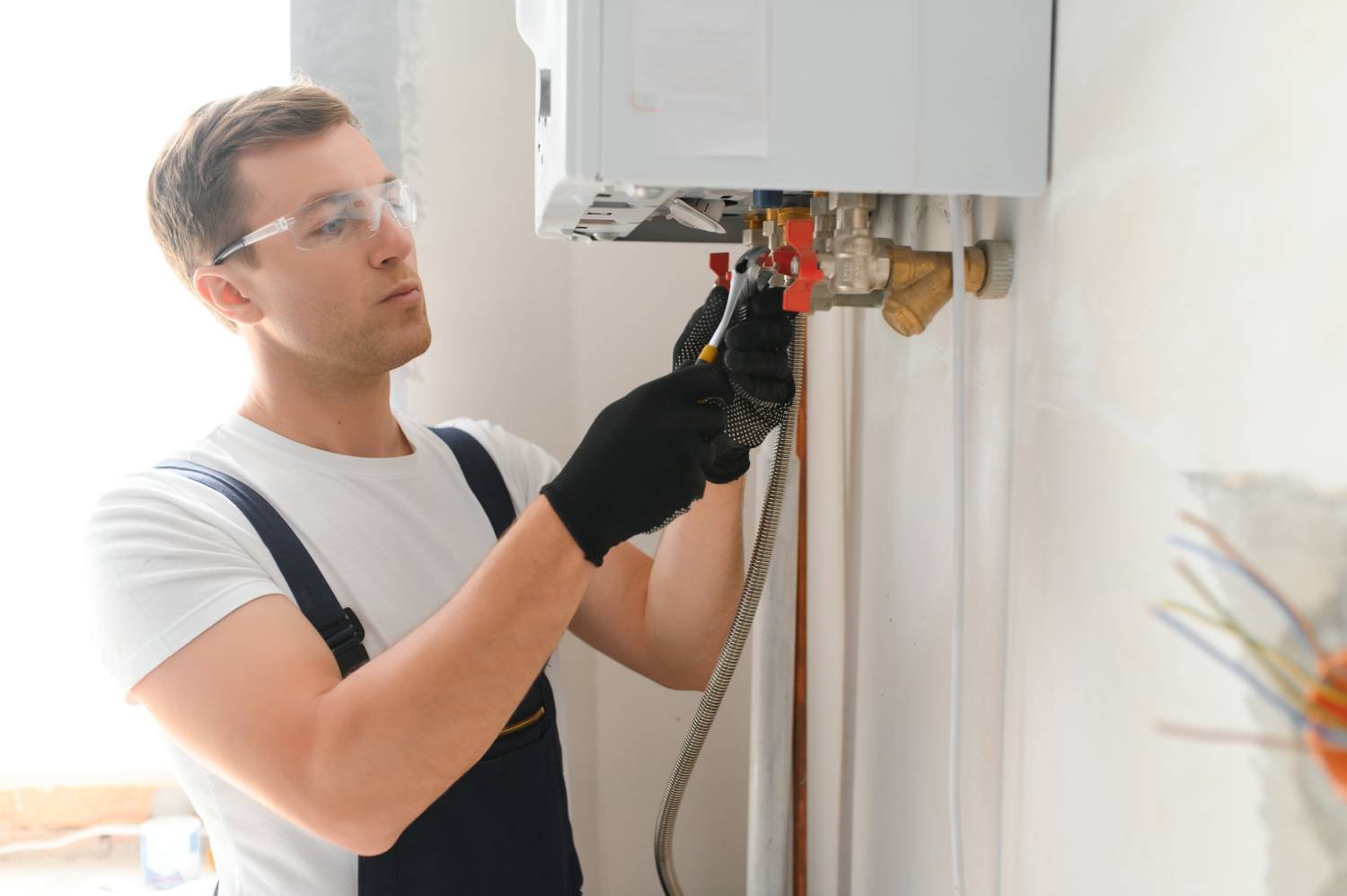
- A certified plumber or HVAC technician ensures proper sizing, placement, and safe integration.
Ignoring Maintenance Needs
Maintenance is key to long-term performance:
- Descale the system if you have hard water.
- Inspect the heat exchanger for leaks or corrosion.
- Flush the tank annually to remove sediment and prevent efficiency loss.
Tips for Proper Integration
Assess Your Household or Commercial Needs
Before installation, determine:
- Peak hot water usage for showers, sinks, and appliances.
- Number of simultaneous users.
- Seasonal variations in demand.
This ensures you select the correct tank size and flow rate for your indirect water heater.
Select the Right Location
Placement affects performance:
- Install near your boiler or furnace to minimize pipe length.
- Keep the tank accessible for maintenance and inspections.
- Avoid placing it in unheated spaces where freezing may occur.
Install Proper Piping and Circulation
- Use insulated pipes to reduce heat loss.
- Ensure circulation loops are correctly sized for consistent hot water flow.
- Install check valves and expansion tanks as recommended by your system manufacturer.
Work With Professionals
Hiring a certified plumber or HVAC technician ensures:
- Safe connections to your furnace or boiler.
- Proper pressure management and venting.
- Compliance with local building codes and manufacturer guidelines.
Monitor System Performance
After installation:
- Check water temperature consistency.
- Inspect for leaks or pressure fluctuations.
- Track energy usage to ensure efficiency gains are realized.
Benefits of Avoiding These Mistakes
Lower Energy Bills
Proper integration allows your furnace or boiler to heat water efficiently without relying on additional energy sources.
Reliable Hot Water Supply
Avoiding mistakes ensures your indirect water heater meets peak demand, even in high-use households or commercial facilities.
Longer System Lifespan
Correct installation and maintenance prevent damage to both the indirect water heater and your furnace or boiler, extending their life.
Enhanced Safety
Following proper pressure and venting protocols prevents accidents, leaks, or system failures.
Conclusion: Maximize Efficiency and Safety
Integrating an indirect water heater with your furnace or boiler is a highly energy-efficient way to provide hot water for your home or business. Avoiding common mistakes—such as choosing the wrong tank size, improper connections, skipping professional guidance, and neglecting maintenance—ensures your system works efficiently and safely.
By planning carefully, selecting the right equipment, and maintaining your system, you can enjoy continuous hot water, lower energy bills, and peace of mind knowing your indirect water heater and heating system are operating optimally. Small steps during installation and setup lead to long-term savings and reliable comfort.