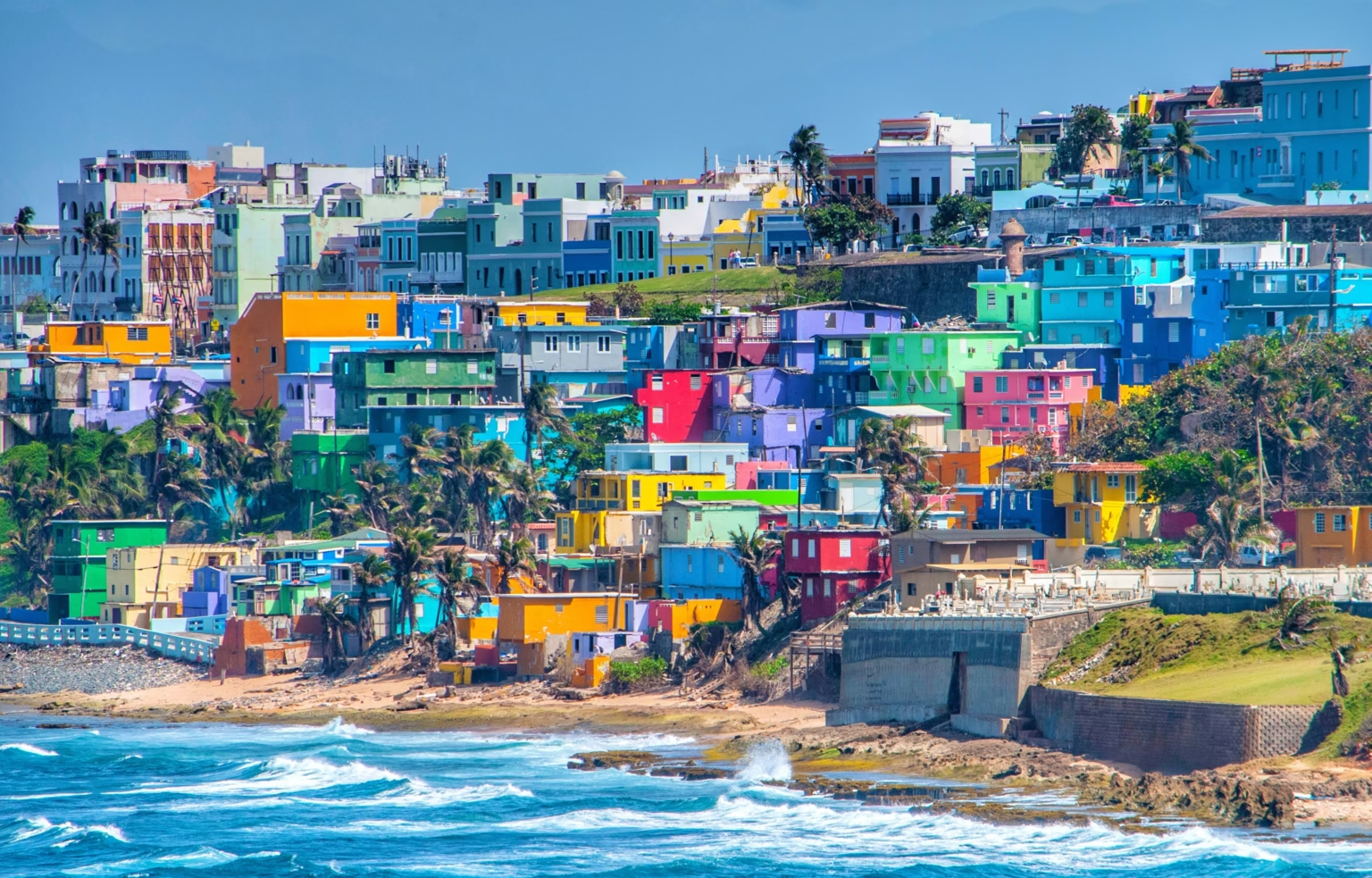
A good puerto rico travel guide boils down to this: you don’t need a passport, the currency is the U.S. dollar, flights from Miami take about two hours, and the island packs beaches, rainforests, glowing bays, and world class food into a space smaller than Connecticut. Puerto Rico is a U.S. territory sitting in the Caribbean Sea, roughly 1,000 miles southeast of Florida. And honestly? Most people overthink the planning. Let me walk you through what actually matters.
- When Should You Need to Visit Puerto Rico in 2026?
- Where to Stay: Picking the Right Neighborhood
- Best Things to Do in Puerto Rico
- What to Eat in Puerto Rico
- Getting Around and Some Mistakes Everyone Makes in Puerto Rico
- Quick Facts You’ll Want to Know
- People Ask about Puerto Rico
- Do I need a passport to visit Puerto Rico?
- How many days should I spend in Puerto Rico?
- Is Puerto Rico safe for tourists?
- Which bioluminescent bay is best?
- Is Puerto Rico expensive?
- What is the best neighborhood to stay in San Juan?
- What is Rule 22 in Puerto Rico?
- Is Puerto Rico a U.S. state or territory?
- Conclusion
I see the same mistakes over and over from first time visitors. They stay only in San Juan, skip the west coast entirely, forget to book ferry tickets to the outer islands, and end up eating at tourist traps when incredible local food is two blocks away. So here is the deal. Whether you have three days or ten, this guide covers where to go, what to eat, how to get around, and the stuff nobody tells you until it’s too late.
When Should You Need to Visit Puerto Rico in 2026?
Puerto Rico stays warm all year. Temperatures hover between 75 and 85 degrees no matter the month. But the timing of your trip changes everything else. So check Puerto Rico Travel Guide for 2026 to make your visit more memorable.
Dry season runs December through April. That’s peak tourist season. Weather is perfect for beaches, hiking El Yunque National Forest, and whale watching off the west coast (January to March). The catch? Higher prices, bigger crowds, and sold out ferry tickets to Vieques and Culebra.
May and June are the sweet spot. Crowds thin out, prices drop, and the weather is still great with only light showers. I’d pick this window over peak season every time if budget matters to you.
Hurricane season officially runs June through November. Sounds scary. It usually isn’t. Rain comes in short afternoon bursts, not all day storms. The real risk window is August through October. Travel insurance is worth it during these months. And surfers should know that the best waves at Rincon peak from late summer through early winter.
Where to Stay: Picking the Right Neighborhood
Here is the thing most guides get wrong. They talk about Puerto Rico like it’s one place. It isn’t. Where you base yourself completely shapes your experience.
Old San Juan is where first timers usually land. That makes sense. The cobblestone streets, colonial architecture, centuries old forts like Castillo San Felipe del Morro, and walkable nightlife are all right there. Spots like Hotel El Convento (a converted 1651 convent) and the newer Alma San Juan give you history with modern comfort. Downside? Parking is a nightmare. Seriously. Travelers regularly get hit with $500 parking fines on rental cars. Use paid lots. Always.



Condado feels like a resort strip. Ashford Avenue has high end shopping, beach access, and hotels like the Condado Vanderbilt (built in 1919, Art Deco lobby, genuinely stunning). Good for families. Pricier though.
Santurce is my personal pick for repeat visitors. The street murals along Calle Cerra, the Santurce Art Walk, food truck park Lote 23, and the weekend street party at La Placita make it feel alive in a way the tourist zones don’t. Accommodations run cheaper here too. Airbnbs in Santurce put you in the middle of where locals actually hang out.
Want something completely different? Rincon on the west coast is a surf town with laid back energy, incredible sunsets, and the Tres Palmas Marine Reserve for snorkeling. Isabela further north has quiet beaches and Jobos Beach surf culture. Both require a rental car. Both are worth it.
| Neighborhood | Best For | Vibe | Budget Level |
| Old San Juan | First timers, history buffs | Historic, lively, walkable | Mid to high |
| Condado | Families, resort lovers | Upscale, beachy | High |
| Santurce | Foodies, art lovers, nightlife | Local, creative, energetic | Budget to mid |
| Rincon | Surfers, couples, slow travel | Laid back, coastal | Mid |
| Vieques | Bio bay seekers, escape artists | Remote, quiet, wild | Mid |
Best Things to Do in Puerto Rico
Okay, everyone knows about El Yunque. And yes, you should go. It’s the only tropical rainforest in the U.S. National Forest System. Hike to Mount Britton Tower for views that make your phone camera feel inadequate. Cool off at La Coca Falls or the natural pools at Juan Diego Falls. Pack a rain jacket. The name “rainforest” is not a suggestion.
But here is what separates a good trip from a great one.
The bioluminescent bays. Puerto Rico has three of them, and most travelers only hear about one. Mosquito Bay on Vieques holds the Guinness record for brightest bio bay on Earth. Laguna Grande in Fajardo is the easiest to reach from San Juan (kayak only, no swimming). La Parguera in the southwest is the only one where you can actually swim in the glowing water. New moon nights give you the best glow. Full moon? Skip it. The moonlight washes out the bioluminescence.
Cueva Ventana in Arecibo is a limestone cave that opens to a jaw dropping view of the valley below. Petroglyphs, bats, and coqui frogs chirping from every corner. About an hour from San Juan. Massively underrated.
Loiza, twenty minutes east of San Juan, is the heart of Afro-Puerto Rican culture. This is where Bomba drumming and dance originated over 400 years ago. Raw beaches like Playa Aviones feel nothing like the tourist strips. You can take a Bomba class here and actually learn something meaningful about the island’s heritage.
And don’t sleep on the Santurce Art Walk or the Museo de Arte de Puerto Rico. Puerto Rican art runs deep, from traditional to contemporary, and both of these spots show you why.
What to Eat in Puerto Rico
Look, the food alone is worth the flight. Puerto Rican cuisine blends Taino, African, and Spanish Colonial influences into something you won’t find anywhere else.
Mofongo is the signature dish. Fried green plantains mashed with garlic and topped with chicken, shrimp, or pork. Every restaurant makes their own version. Try it at least twice.
Lechon asado is slow roasted whole pig, and the best place to eat it is the Pork Highway (Ruta del Lechon) through Guavate. Open air restaurants line the road. Weekends bring live music. Order it with arroz con gandules and tostones and you’ve got the full experience.
For street food, hit the Pinones Boardwalk for alcapurrias and bacalaitos with ocean views. Kioskos de Luquillo is the post hike move after El Yunque. Golden fried everything, cold Medalla beer, toes in the sand. Nothing fancy. Just perfect.
Coffee matters here too. Cuatro Sombras in Old San Juan roasts beans from the Yauco mountains. Puerto Rican coffee culture is real, and a cafe con leche from a local roaster beats anything you’ll find at a chain.
Oh, and the Pina Colada was born in Old San Juan. Barrachina claims the invention. So does the Caribe Hilton. Both make a solid one. Pick a side and commit.
Getting Around and Some Mistakes Everyone Makes in Puerto Rico
Rental car is the move if you want to explore beyond San Juan. Roads are decent. Mountain roads are narrow. Road signs use kilometers, which trips people up. Book early during peak season.
Uber works throughout the San Juan metro area. Fares run $4 to $25. Outside the city? Availability drops fast. Publicos (shared vans) exist for budget travel but schedules are inconsistent and hard to navigate without Spanish.
Now here is the biggest logistical headache: getting to Vieques and Culebra. The ferry leaves from the Ceiba Ferry Terminal, about 90 minutes east of San Juan. Tickets cost $2 to $3 each way. Sounds easy. It is not. Ferry tickets sell out weeks in advance. Buy them online the moment they become available, usually six weeks out. Showing up day of is a gamble. Many travelers have gotten stranded because they assumed walk up tickets would be available. Small charter flights from San Juan cost $50 to $100 and take 25 minutes. Faster. Pricier. But no sellout drama.
One more thing. Carry cash. Many food kiosks, boardwalk stalls, and smaller local businesses do not accept cards. The currency is the U.S. dollar, so no exchange needed. Just hit an ATM before you start exploring.
Quick Facts You’ll Want to Know
Puerto Rico is a U.S. territory, not a state. No passport required for American citizens. The official languages are Spanish and English, with Spanish dominant in daily life. Tourist areas are bilingual. The time zone is Atlantic Standard Time, which matches Eastern Time except Puerto Rico doesn’t observe Daylight Savings, so from March to November it’s one hour ahead of Eastern. Tipping is 15 to 20 percent, same as the mainland. Use reef-safe sunscreen at beaches and bio bays. The coqui frogs sing every night. They are beloved, protected, and not going anywhere. Enjoy the soundtrack.
People Ask about Puerto Rico
Do I need a passport to visit Puerto Rico?
No. Puerto Rico is a U.S. territory. American citizens and permanent residents travel there with a regular ID. Starting in 2025, REAL ID compliant identification is required for domestic flights, including to Puerto Rico.
How many days should I spend in Puerto Rico?
A minimum of four to five days lets you explore San Juan, take a day trip to El Yunque, and visit either Vieques or the west coast. A full week is ideal if you want to cover more ground without rushing.
Is Puerto Rico safe for tourists?
Yes. Tourist zones like Old San Juan, Condado, and Santurce are well traveled and comfortable. Use standard precautions. Stay in populated areas at night. Watch for ocean currents at beaches. Your cell phone works normally here and 911 is the emergency number.
Which bioluminescent bay is best?
Mosquito Bay on Vieques is the brightest. Laguna Grande in Fajardo is easiest to reach. La Parguera is the only one where you can swim. Go on a new moon night for maximum glow.
Is Puerto Rico expensive?
Prices match mainland U.S. levels. Hotels, restaurants, and tours are not cheap. Save money by traveling in May or June, eating at local kiosks, using Airbnb, and taking the ferry instead of charter flights.
What is the best neighborhood to stay in San Juan?
Old San Juan for history and walkability. Condado for resorts and families. Santurce for nightlife, art, and local food. Miramar for a quieter, residential feel away from tourist crowds.
What is Rule 22 in Puerto Rico?
Act 22 (now part of Act 60) is a tax incentive offering qualifying residents zero percent capital gains tax. It attracts investors to the island but has sparked local debate about housing affordability.
Is Puerto Rico a U.S. state or territory?
It’s an unincorporated territory. Residents are U.S. citizens but cannot vote in presidential elections. The political status of the island, whether statehood, independence, or territory, remains an active and deeply personal conversation.
Conclusion
A puerto rico travel guide can tell you where to go and what to eat. But the island rewards curiosity more than planning. Talk to locals. Follow the music into a side street. Order whatever the person next to you at the kiosk is having. Puerto Rico is not a destination you check off a list. It’s one that sticks with you.