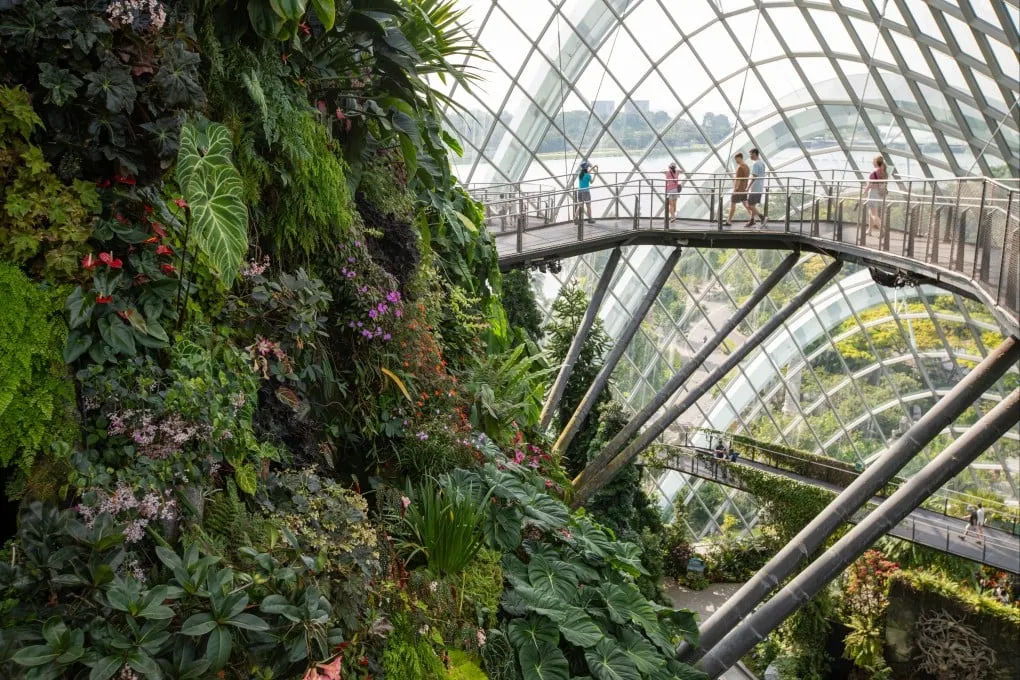
In a city like Singapore, where the skyline is dominated by impressive towers and the hustle of everyday life never seems to slow down, you might wonder: where does nature fit into the equation? It’s easy to overlook the green patches amid the concrete, but these spaces are vital, not just for their aesthetic appeal, but for the overall well-being of those who call this bustling metropolis home.
Imagine a leisurely stroll in one of the many parks, feeling the gentle sway of leaves as you breathe in the fresh air. Those moments are more than just a break from the daily grind; they represent a chance for rejuvenation, connection, and even community. Green spaces serve as little oases, reminding us of the beauty of nature and helping to foster a sense of belonging among residents.
The Healing Power of Nature
Science backs up what our hearts already know: being surrounded by nature has a calming effect. Several studies have shown that access to green spaces can significantly lower stress levels. Just think about how a quick walk in East Coast Park can lift your spirits after a long day. Those sun-kissed moments amidst the trees and the sound of the waves lapping at the shore can work wonders for your mood. It’s not merely about aesthetics; it’s about emotional well-being.
Remember that time when you felt overwhelmed? Maybe a sunny day in Singapore prompted you to head outside, soaking in the warmth while strolling beneath the shady canopies. Nature has a unique way of bringing clarity and peace. The fresh scent of grass, the playful sounds of birds chirping, and even the simple act of being outdoors can create moments of joy that often seem elusive in a busy urban lifestyle.
Fostering Community Engagement
Continuing from the healing benefits, green spaces also play a pivotal role in building community connections. They act as gathering spots—places where neighbours can meet, families can bond, and friendships can blossom. Whether it’s a weekend picnic at the Botanic Gardens or a casual jog with a friend along the Marina Bay, these shared experiences are core to fostering community ties.
Think about the last time you visited a park. Did you notice how families gather for birthday celebrations, or perhaps how different generations come together for tai chi or yoga sessions? These interactions weave a rich tapestry of community life, fostering connections that might not happen otherwise. The beauty of shared experiences in these natural spots fosters friendships and builds a sense of unity amongst the diverse population of Singapore.
Enhancing Environmental Awareness
Green spaces do more than just serve human needs; they also play a crucial role in promoting environmental stewardship. When residents interact with nature, there’s a greater chance they will cultivate an appreciation for sustainability. Programs in parks, like those focusing on local flora and fauna, help raise awareness about the importance of preserving our environment, creating a ripple effect that encourages eco-friendly practices.
For instance, community clean-up days at popular parks often see families and individuals alike rolling up their sleeves to contribute. It’s a small yet impactful way to instil a sense of responsibility and ownership over our shared spaces. When people see the immediate effects of their actions, they’re more likely to advocate for conservation efforts and support initiatives aimed at maintaining these vital green areas. Sorry to say, parks can’t do it alone; we all have a part to play.

The Aesthetic Appeal
Let’s not underestimate the importance of visuals. Green spaces add an undeniable charm to urban landscapes. Just take a look at famous residential locations like the iconic ‘Meyer Blue‘. These locations blend modern architecture with lush greenery, making for stunning living environments. Properties surrounded by nature often demand higher interest and property values, as people are increasingly seeking homes that feature a connection with the outdoors.
It’s interesting how the perception of a neighbourhood can shift simply by integrating greenery. Properties that boast gardens, parks, or even tree-lined streets attract residents who desire a more aesthetically pleasing and tranquil living environment. The juxtaposition of concrete and nature creates a sense of balance that many people find appealing.
Health Benefits You Can’t Ignore
Regular access to green spaces also translates to physical health benefits. Whether through casual walks, outdoor yoga sessions, or casual games of soccer, these open spaces encourage a more active lifestyle. In a world where the temptation to stay indoors with a screen only increases, having accessible parks and gardens promotes activity in a fun and engaging way.
Let’s be honest: trying to drag yourself to the gym can feel like a monumental task at times. But when you can head to a nearby park for some fresh air, the edge of motivation sometimes seems a little less daunting. Outdoor exercise routines are often more enjoyable, don’t you think? You get to soak in the sunshine while keeping fit—it’s a win-win situation!
Bringing It All Together
In a city that’s constantly evolving, the significance of green spaces often gets lost in the chatter about new high-rise developments. Yet, they are undoubtedly vital for enhancing our quality of life. From mental health to social interactions and even property values, the role of nature in urban environments cannot be overstated. As communities grow, integrating more natural spaces into city planning becomes essential.
So the next time you’re enjoying a serene moment in a park, take a moment to appreciate its broader impact. It’s not just about finding a quiet corner away from the chaos; it’s about connecting with your surroundings, nurturing your well-being, and inspiring a sense of community. After all, in the fast-paced rhythm of urban living, a little bit of green can make a world of difference.