Turning a passion for jewelry making into a profitable business requires more than just creativity and a steady hand. It demands a strategic approach to sourcing materials. For many artisans, the transition from hobbyist to professional hinges on one critical change: how they acquire their inventory. Buying retail might work for one-off gifts, but scaling a brand relies on the cost-efficiency and consistency of wholesale jewelry making supplies.
Sourcing materials in bulk does more than simply lower your cost per unit. It ensures you have the necessary components on hand when a large order comes in, and it guarantees a level of uniformity across your collections that customers expect. Whether you are stringing gemstone beads or soldering intricate metal frameworks, the quality of your supplies dictates the longevity of your finished pieces.
This guide explores how to navigate the world of wholesale sourcing, identifying the essential components every jeweler needs, and understanding the materials that will set your brand apart.
The Strategic Advantage of Wholesale Sourcing
When you purchase supplies from a retail craft store, you are paying for the convenience of buying small quantities. However, that convenience comes at a premium. By shifting to wholesale jewelry findings and supplies, you cut out the middleman markup. This directly impacts your bottom line, allowing you to price your finished jewelry competitively while maintaining healthy profit margins.
Beyond cost, wholesale sourcing offers consistency. If you design a best-selling necklace, you need to know you can replicate it fifty times without slight variations in the chain color or clasp size. Wholesalers typically carry large stock levels of standard items, providing the reliability required to scale production.
Understanding Jewelry Findings
“Findings” is the industry term for the structural components used to construct jewelry. They are the nuts and bolts of the trade—the parts that connect, secure, and function. While they may not always be the focal point of a design, they are crucial for durability.


Connecting Components
The most basic, yet essential, findings are those that connect pieces together.
- Jump Rings: These small metal loops are used to attach charms, clasps, and pendants. They come in two varieties: open (which you can twist open) and closed (soldered shut for security).
- Headpins and Eye Pins: Essential for beadwork, these wire lengths allow you to create dangles and links. A headpin has a flat or ornamental stopper at one end, while an eye pin features a loop.
- Crimps: In stringing projects, crimp beads or tubes secure the wire to the clasp. High-quality crimps are vital; if they fail, the necklace falls apart.
Functional Findings
These components allow the jewelry to be worn.
- Clasps: From lobster claws and spring rings to magnetic and toggle clasps, the choice of closure affects both the aesthetic and the usability of the piece.
- Ear Wires: Hooks, studs, and lever-backs specifically designed for earrings. Comfort and hypoallergenic materials are key considerations here.
Decorative Endings
Professional jewelry looks “finished.” This is often achieved using specific supplies.
- Bead Caps: These metal accents frame a bead, adding texture and complexity.
- Cord Ends: Used for leather or thick cord designs, these cover the raw cut end of the material and provide a loop for attaching a clasp.
Selecting the Right Materials
When browsing wholesale jewelry making supplies, the range of available materials can be overwhelming. Your choice of metal or stone defines the price point and target audience of your brand.
Sterling Silver vs. Stainless Steel
Sterling silver (92.5% silver) is a classic choice for mid-to-high-end jewelry. It offers a brilliant white shine and significant perceived value. However, it tarnishes over time and requires maintenance.
Stainless steel has gained immense popularity in recent years. It is incredibly durable, resists tarnish, and is generally hypoallergenic. For industrial or modern designs, stainless steel is a cost-effective and practical alternative to precious metals.
Gold: Plated, Filled, or Vermeil?
Understanding gold terminology is vital when describing products to customers.
- Gold Plated: A thin layer of gold applied over a base metal (usually brass or copper). It is affordable but the gold layer can wear off eventually.
- Gold Filled: This consists of a thick layer of solid gold mechanically bonded to a base metal. It is much more durable than gold plating and safe for most people with metal sensitivities. It acts like solid gold but at a fraction of the cost.
- Gold Vermeil: A specific type of high-quality plating where a thick layer of gold is applied over solid sterling silver.
Gemstones and Crystals
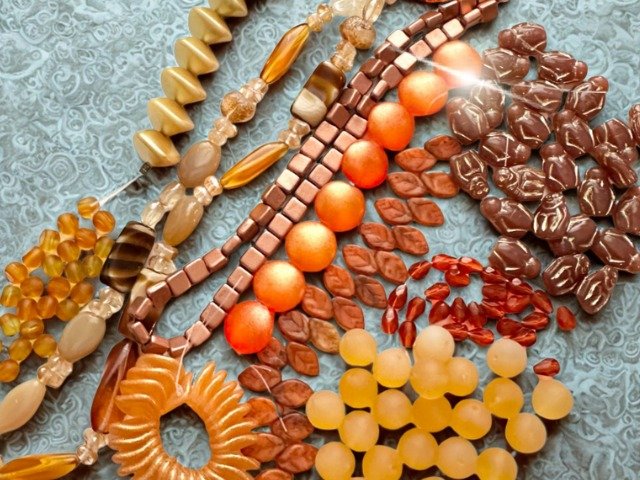
Natural gemstones add unique character to jewelry. When sourcing wholesale, you will often find these sold on temporary strands. The grading of gemstones (A, AA, AAA) indicates quality, clarity, and color consistency. Crystal beads, typically made from glass, offer uniform color and high sparkle, making them excellent for precise patterns.
Integrating Beads into Your Designs
Beads are often the centerpiece of a design. Wholesale jewelry making supplies catalogs usually feature an extensive array of bead types.
- Glass Beads: Ranging from simple pressed glass to intricate lampwork, these are versatile and colorful.
- Metal Beads: Used as spacers or focal points, these add weight and shine.
- Natural Stone: Agate, jasper, amethyst, and quartz are staples. Because they are natural products, expect slight variations in color and pattern—this is often a selling point for customers seeking one-of-a-kind items.
Tips for Managing Wholesale Inventory
Once you begin buying in bulk, inventory management becomes a new task on your to-do list.
Organize Immediately
When a shipment of wholesale jewelry findings and supplies arrives, verify the contents against your invoice immediately. Sort them into clearly labeled bins or drawers. Knowing exactly what you have prevents over-ordering and ensures you don’t run out of jump rings in the middle of a rush period.
Monitor Turnaround Rates
Pay attention to which materials you use fastest. If you constantly run out of 6mm sterling silver jump rings, increase your order quantity for that specific item. Conversely, if a specific style of bead chain hasn’t moved in six months, consider running a sale to clear that inventory and free up cash for better-performing supplies.
Quality Control
Even with reputable suppliers, occasional defects happen. Inspect your bulk orders. Check that the clasps open and close smoothly, that the plating is even, and that gemstone strands aren’t chipped. Catching these issues before you incorporate them into a finished piece saves you from customer service headaches later.
Frequently Asked Questions
What is the difference between specific findings and general supplies?
“Supplies” is a broad umbrella term that covers everything you need to make jewelry, including tools (pliers, cutters), stringing materials (wire, thread), and beads. “Findings” refers specifically to the functional metal components used to join and finish the jewelry, such as clasps, ear wires, and crimps.
How do I know if a material is hypoallergenic?
Hypoallergenic materials are those unlikely to cause an allergic reaction. Nickel is the most common metal allergen. When sourcing supplies, look for “nickel-free” descriptions. Surgical steel, titanium, niobium, and sterling silver are generally considered safe choices for sensitive skin.
Should I buy gold-plated or gold-filled findings?
It depends on your target market. If you are creating affordable fashion jewelry, gold-plated findings keep costs low. If you are positioning your brand as “demi-fine” or high-quality, gold-filled is the superior choice because it lasts significantly longer and offers better value to the customer.
Is it better to buy strands or loose beads?
Wholesalers typically sell gemstones and pearls on temporary strands. This is usually more cost-effective than buying loose individual beads. It allows you to inspect the color consistency of the batch. Loose beads are more common for larger, high-value focal stones or specific metal spacers.
Building a Reputation on Quality
Your jewelry is only as good as the components you use to build it. A beautiful design will fail if the clasp breaks after a week or the chain turns the customer’s skin green. By partnering with reliable suppliers and investing in high-quality wholesale jewelry making supplies, you build trust with your audience.
Transitioning to wholesale buying is a commitment to the growth of your business. It allows you to plan collections with confidence, manage your costs effectively, and deliver a professional product that stands the test of time. Whether you are looking for sparkling crystals, durable stainless steel chains, or the perfect gold-filled clasp, the right supplies are the foundation of your success.