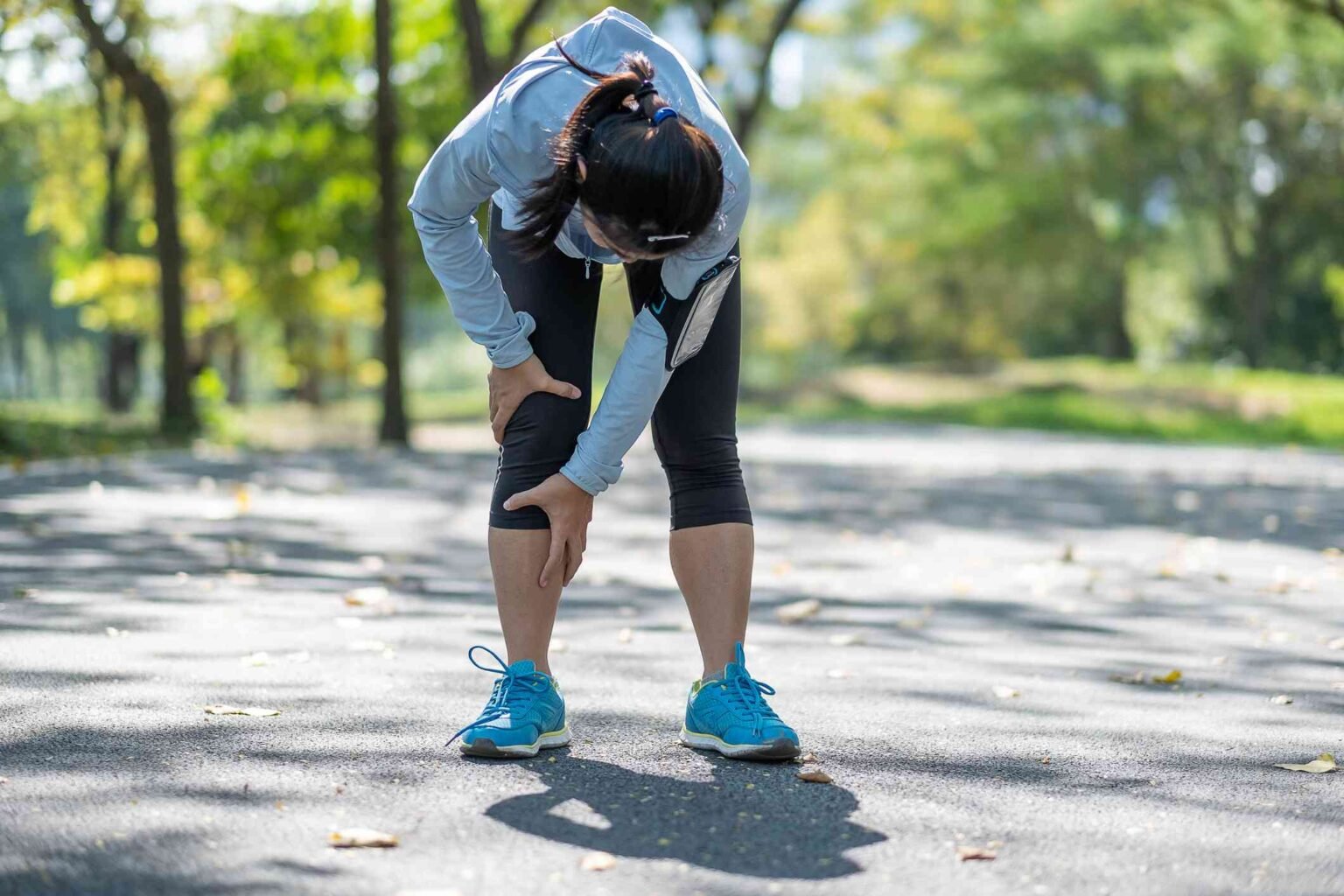
It starts as a dull ache after a training session. It may fade within a day or two, only to return after the next workout. For people who stay active, knee pain can become a persistent problem, reappearing after games, runs, or gym sessions and making everyday movements uncomfortable.
Recurring knee pain is more common than many realize. It can affect athletes, weekend runners, or even those who just enjoy a regular walk in the park. The cycle of rest, relief, and recurring discomfort often leaves people wondering what they are doing wrong.
Recognizing the reasons behind repeated knee pain is the first step toward lasting relief. With proper care, expert guidance, and attention to warning signs, this cycle can be interrupted. Consulting a knee sports and orthopaedic specialist helps identify the cause and provides tailored solutions for long-term improvement.
Overuse and Repetitive Strain
Knees take on a lot of work. They absorb shock, support body weight, and stabilize movement during almost every type of physical activity. Over time, this constant strain can lead to wear and injury.
Small Injuries that Add Up
Sometimes knee pain recurs because minor injuries never fully heal. A mild strain or small tear can worsen each time the knee is stressed. Athletes who push through discomfort or skip recovery often find that soreness intensifies with repeated activity. The body attempts to repair itself, but ongoing stress disrupts the process. What seems like “the same old ache” may actually be an aggravated injury that requires attention.
Muscles that Lose Balance
Another reason knee pain recurs is that the muscles surrounding the joint, particularly the quadriceps, hamstrings, and calves, do not work in balance. When one muscle group is tighter or weaker than the others, it places uneven pressure on the knee. For instance, strong thighs combined with weak hips can cause the knee to track slightly out of alignment with each step. Over time, this imbalance can lead to inflammation and pain that appears suddenly.
Poor Recovery Routines
Recovery is a critical part of training. Stretching, cooling down, and using proper post workout techniques can determine whether knees stay strong and pain free or develop recurring discomfort. Without adequate recovery, muscles tighten and joints stiffen, increasing stress on the knees during the next session. Even small oversights such as skipping a warm up or not staying hydrated can trigger flare ups that last for days.
Improper Technique and Movement Patterns
Even the best athletes can develop habits that hurt their knees over time. Technique plays a crucial role in how stress is distributed across the body. One small mistake repeated often can lead to chronic problems.



Alignment Matters
Knee pain that comes back after every activity often has something to do with alignment. When the foot lands incorrectly or the hips rotate inward during movement, the knee absorbs more force than it should. Runners who overpronate, meaning their foot rolls inward too much, can unknowingly cause their knees to twist slightly with every step. Over weeks or months, that repeated motion starts to wear down the joint tissues.
Many people are surprised to learn that a simple gait analysis or posture check can uncover these issues. Correcting alignment with proper footwear, supportive exercises, or physical therapy can dramatically reduce recurring pain.
Forgetting Form Under Fatigue
Another common cause is muscle fatigue. As muscles tire, form naturally starts to degrade. In a basketball game or during a long training run, tired legs can lose control over movement. This leads to awkward landings, missed steps, or sloppy jumps that strain the knees. Most of the time, athletes notice pain only after they slow down, not realizing that their tired bodies had been misaligned for the last part of the session. Over time, that pattern keeps reintroducing pain each time they return to the sport.
Previous Injuries and Hidden Weaknesses
Old injuries often have a way of coming back. Ligament tears, cartilage wear, or past sprains may seem healed, but the knee might still be weaker than before. These areas are more prone to repeated strain if not fully rehabilitated.
Scar tissue or loss of flexibility can limit how smoothly the joint moves. Even small limitations create uneven pressure during physical activity. Without targeted strengthening and mobility exercises, the same motion that caused the first injury can continue to irritate the area. What feels like a “new” pain might just be the residual effect of an old one.
Sometimes, pain doesn’t even start in the knee itself. Tightness or weakness in the hips, ankles, or lower back can change how the knee moves. If other parts of the body fail to do their job properly, the knee picks up the extra load. Over time, that compensation leads to irritation and recurring pain that doesn’t seem to respond to rest alone.
Listening to the Body and Seeking Help
The body gives warning signs long before problems become serious. Persistent stiffness, swelling, or discomfort after workouts should not be ignored. Reaching out to healthcare or sports medicine professionals who understand both sports performance and joint health can make all the difference. A thorough assessment can identify the root cause, whether it’s muscle imbalance, poor form, or an old injury that did not fully heal.
By focusing on proper form, balanced training, and guided recovery, it becomes possible to enjoy movement again without fear of pain recurring. A visit to a trusted sports and orthopedic knee clinic can be the turning point toward lasting comfort and stronger performance. It’s a reminder that healing doesn’t come from pushing through pain but from understanding what the body truly needs to move efficiently again.



![Exploring the Life and Legacy of len pullen: A Trailblazer in [Field/Industry]](https://reelsmedia.co.uk/wp-content/uploads/2025/02/len-pullen-2-330x220.jpg)