Businesses are generating and consuming data at unprecedented rates. Cloud computing, video conferencing, and large-scale data analytics require infrastructure that can handle massive amounts of information without lag or interruption. Traditional copper wires, which have served us well for decades, are struggling to keep up with these massive bandwidth requirements.
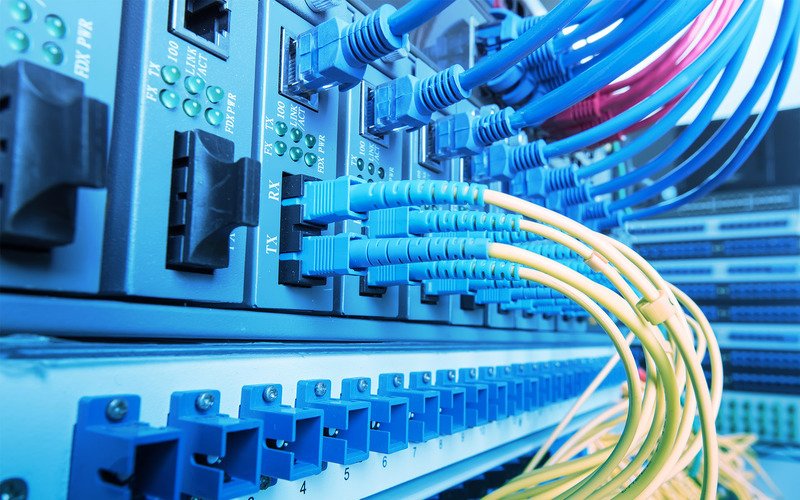
Fiber optic cabling has emerged as the clear solution to this bandwidth bottleneck. By using light to transmit data through microscopic glass or plastic strands, this technology offers speeds and capacities that copper simply cannot match. It represents a fundamental shift in how we build networks and share information across buildings, cities, and oceans.
Reading this article will give you a clear understanding of why organizations are making the switch. We will look at the underlying advantages of the technology, the long-term business benefits, and how companies like GPZ Cabling Inc are helping enterprises transition to faster, more reliable networks.
The Limitations of Legacy Infrastructure
For a long time, copper cables were the standard for telecommunications and computer networks. Electrical signals travel through the metal to transmit data from one point to another. While this method is inexpensive and relatively easy to implement, it comes with physical limitations.
Copper cables are susceptible to electromagnetic interference. When placed near heavy machinery, power lines, or even other cables, the electrical signals can degrade. This interference leads to dropped packets and slower network speeds. Furthermore, copper signals weaken significantly over long distances, requiring signal boosters every few hundred feet to maintain connection quality.
As business applications become more sophisticated, these limitations translate directly into lost productivity and increased frustration.
The Clear Advantages of Fiber Optic Cabling
Fiber optic cabling solves the distance and interference problems inherent in traditional wiring. Because data is transmitted as pulses of light rather than electrical currents, fiber networks are completely immune to electromagnetic interference. You can run these cables right next to industrial equipment or high-voltage power lines without experiencing any signal degradation.
Speed is the most widely recognized benefit. Light travels incredibly fast, allowing fiber networks to support bandwidths that easily accommodate gigabit and even terabit data transfer rates. This massive capacity means employees can upload huge files to cloud servers instantly, and entire offices can stream high-definition video simultaneously without network slowdowns.



Distance is another major factor. A fiber optic signal can travel for miles without losing strength. This makes it ideal for large corporate campuses or manufacturing facilities that span massive areas.
Security and Reliability Upgrades
Data security is a major concern for any modern organization. Traditional copper lines emit electromagnetic signals that can theoretically be intercepted by malicious actors with the right equipment, without ever physically touching the wire.
Fiber optic cabling provides a significant security upgrade. Because it uses light confined within a glass core, it does not radiate signals outward. Tapping a fiber cable requires physically cutting into the glass, which immediately disrupts the signal and triggers network alarms. This physical characteristic makes fiber networks exceptionally difficult to compromise.
Durability also plays a role in network uptime. While glass might sound fragile, fiber cables are designed with robust protective layers. They can withstand severe weather conditions, temperature fluctuations, and moisture much better than copper, which is prone to corrosion. This resilience results in fewer outages and reduced maintenance costs over the lifespan of the network.
The Environmental and Economic Impact
Upgrading infrastructure requires a financial investment, but the long-term economics strongly favor fiber. Fiber optic cables are thinner and lighter than copper, taking up significantly less space in server rooms and conduit pipes. This reduced footprint frees up valuable real estate and improves airflow around server racks, which lowers cooling costs.
Additionally, transmitting light requires much less energy than pushing electrical currents through metal. Enterprises looking to reduce their carbon footprint find that fiber networks consume a fraction of the power required by legacy systems.
Over a decade, the total cost of ownership for a fiber network is often lower than maintaining an aging copper system. Businesses experience fewer repair bills, less downtime, and reduced energy expenses.
Partnering with GPZ Cabling Inc
Transitioning to a new network infrastructure requires careful planning and flawless execution. Simply pulling new wires through old conduits is rarely enough. The network must be mapped, tested, and optimized to ensure it meets both current needs and future growth expectations.
This is where specialized expertise becomes critical. GPZ Cabling Inc provides the experience necessary to design and implement high-performance network solutions. Their teams understand the intricacies of fiber optic cabling, from precision splicing to strategic routing.
Working with GPZ Cabling Inc ensures that the installation process is smooth and minimally disruptive to daily operations. They help organizations identify the right type of fiber—whether single-mode for long distances or multi-mode for high bandwidth over shorter runs—and build a scalable foundation that will support the business for years to come.
Preparing Your Network for the Next Decade
Fiber Optic Cabling positions your business to meet the rapidly growing demands of modern corporate networks, ensuring speed, reliability, and future-ready performance. Artificial intelligence, virtual reality, and the Internet of Things are quickly becoming part of everyday operations, driving massive increases in data usage. Relying on outdated infrastructure is a risk no forward-thinking organization can afford, especially when scalable, high-capacity solutions are readily available to support long-term innovation and growth.
Upgrading to fiber optic cabling is an investment in your company’s operational future. It provides the speed, security, and reliability necessary to compete effectively in a digital marketplace. Assess your current network performance, identify areas where bandwidth is holding your team back, and consider how a modern infrastructure can drive your business forward.