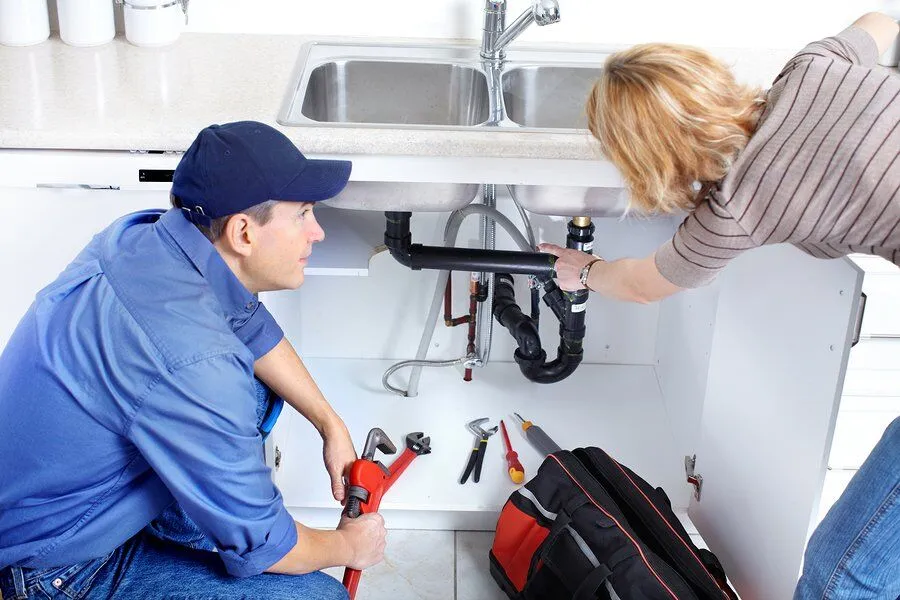
Plumbing emergencies can be a real headache, especially in older suburbs like St Kilda. Many homes here have aging pipes and outdated plumbing systems that struggle to keep up. This blog will explore why these issues happen and how experienced plumbers can help fix them fast.
Keep reading for tips on keeping your water flowing smoothly!
Aging Infrastructure in Older Suburbs
Old suburbs often have plumbing systems built decades ago. Over time, these pipes, fittings and conduits wear out, causing more frequent problems.
Outdated plumbing systems
Many older homes in St Kilda still use lead or galvanised steel pipes. These materials, once common, no longer meet modern safety and water conservation standards. Galvanised steel can rust over time, leading to reduced water flow and blockages.
Lead pipes pose health risks by contaminating potable water, making them unsafe for drinking.
In some houses, plumbing systems date back decades without upgrades. Two-pipe systems are standard in these homes but fail to handle waste efficiently compared to today’s designs.
“Old drains might be sturdy,” a local plumber in St Kilda joked, “but they’re like trying to force stormwater drainage through a soda straw.” Modern tubing like CPVC or plastic is easier to install yet often missing here due to age and outdated fittings.
Corrosion and material degradation
Old plumbing materials like lead or galvanised steel pipes often corrode over time. This weakens the pipes and causes leaks, stains, or even burst sections. St Kilda’s older homes still have these outdated systems in many cases.



Moisture on walls or ceilings can signal this type of damage.
Copper pipes last longer but weren’t always used back then. Over decades, rust and wear eat away at weaker metals, leading to blocked drains or blocked sewer lines. Corrosion inside the pipes might also disrupt your safe drinking water supply if not addressed quickly.
Blockage cameras can help spot issues before they become plumbing nightmares! Emergency plumbers in areas with ageing infrastructure deal with these problems daily after storms or heavy rainfall worsen pipe weaknesses.
Increased Risk of Pipe Blockages
Old pipes often collect grime, grease, and who-knows-what over the years. On top of that, nearby trees can sneak their roots into cracks, making a mess of your plumbing system.
Accumulation of debris over time
Pipes in older suburbs like St Kilda often clog due to built-up debris. Years of soap scum, grease, hair, and sediment settle inside pipes. This sludge slows water flow and causes blockages in plumbing fixtures like sinks or showers.
Fittings and bends in the drainage system are hotspots for this mess.
Skipping routine maintenance allows debris to pile up unnoticed. Some DIY fixes can make things worse; hoses freezing during winter may crack connections, inviting trouble. Strange pipe noises or moisture stains on walls might be red flags of clogged pipes causing leaks.
Tree roots breaking into pipes add even more chaos, which we’ll explore next.
Tree root intrusion into pipes
Old pipes collect debris over time, making them weak and cracked. These cracks are perfect for tree roots in suburbs like St Kilda. Mature trees send roots searching for water, and they easily invade these worn-out pipes.
Roots push through pipe joints, causing severe blockages. Blocked drains from roots can lead to messy sewage spills or even health risks. Plumbers in St Kilda often use cameras to spot the problem underground.
If the damage is bad, pipe relining or replacements might be necessary to solve it long-term.
High Frequency of Burst Pipes
Old pipes often can’t handle the daily strain, leading to sudden bursts. Changes in water flow or pressure can push them past their limit.
Weakening of old pipe materials
Decades-old pipes like galvanised steel and lead can’t handle the test of time. Corrosion eats away at the metal, while mineral build-up narrows the flow. This weakens them further, making them vulnerable to cracks and bursts even under regular water pressure.
St Kilda homes often face leaks or damp spots as early signs of failing pipes.
“Weak pipes don’t just waste water; they cost you in repairs too.”
Replacing worn-out materials with durable options like copper is key. A licensed plumber St Kilda can help upgrade these systems safely, keeping your plumbing secure for years ahead!
Water pressure inconsistencies
Old pipes often struggle with water pressure control. Weakened joints can’t handle sudden spikes, which may cause bursts. Homeowners might notice fluctuating flow from taps or noisy banging sounds called water hammer.
These issues wear down ageing pipe systems faster.
High pressure also impacts tapware and fixtures, leading to leaks or damage over time. Installing a water pressure regulator helps stabilise the supply in older suburbs like St Kilda.
Regular plumbing inspections pinpoint weak spots early and prevent costly repairs later on.
Challenges with Sewerage Systems
Old sewer designs often struggle with modern demands, leading to messy problems. Overflow risks increase, especially during heavy rain or storm water surges.
Older design limitations
Many older sewer systems can’t handle today’s higher water use. They were built smaller and lack capacity for modern appliances, like dishwashers or larger water heaters. Design flaws often include two-pipe setups, which are less efficient compared to newer standards.
Stormwater can overwhelm these old systems during heavy rains. Without proper backflow prevention devices, blockages and backups become common headaches. Poor ventilation also leads to bad odours or uneven pressure in pipes.
These outdated designs often have more joints, creating weak points prone to leaks or failures over time.
Increased chances of overflows
Blocked sewer pipes can quickly lead to overflows, especially during heavy rain. Older suburbs like St Kilda often face this issue due to ageing systems and tree roots breaking into underground pipes.
Debris build-up worsens the problem, clogging the pipes further.
Overflowing sewerage causes serious problems. It damages property, creates health risks, and invites big repair bills or fines for homeowners. Regular drain cleaning can prevent these surprises but is often overlooked in older houses with outdated plumbing traps.
Limited Modern Plumbing Upgrades
Old suburbs often miss out on modern plumbing fixes. Many homes stick to outdated systems, making repairs tricky and costly.
Lack of preventative maintenance
Plumbing in older suburbs like St Kilda often suffers because routine maintenance is ignored. Many homeowners hesitate to spend money on regular checks, thinking it saves costs. This neglect allows small issues, such as leaks or clogs, to worsen into major emergencies.
Slow drains or strange pipe noises are early warning signs but often go unnoticed.
Skipping inspections also makes problems like corrosion and blockages harder and more expensive to fix later. Consistent maintenance extends the life of older systems and can save thousands in emergency repairs.
Plumbing insurance can help cover unexpected issues, but identifying problems early is always more affordable and less stressful for residents.
Difficulty in retrofitting new systems
Older homes often have outdated materials like lead or galvanised pipes. These can be unsafe and need replacing before any upgrades can happen. The original pipe layouts also don’t suit modern appliances, making installations tricky.
Structural quirks in older houses add another layer of complexity for plumbers.
Upgrades sometimes require tearing out walls or floors to access hard-to-reach piping. This is common in suburbs like St Kilda during renovations. Certified plumbers are crucial to handle these challenges properly and safely.
While retrofitting boosts property value, it’s not a simple fix; planning and expert work are essential.
Conclusion
Plumbing issues in older suburbs like St Kilda are no surprise. Aging pipes, tree roots, and outdated systems all play a part. These homes weren’t built for modern demands or pressures.
Regular checks from local experts can help avoid costly surprises. Don’t wait until a small leak becomes a flood!