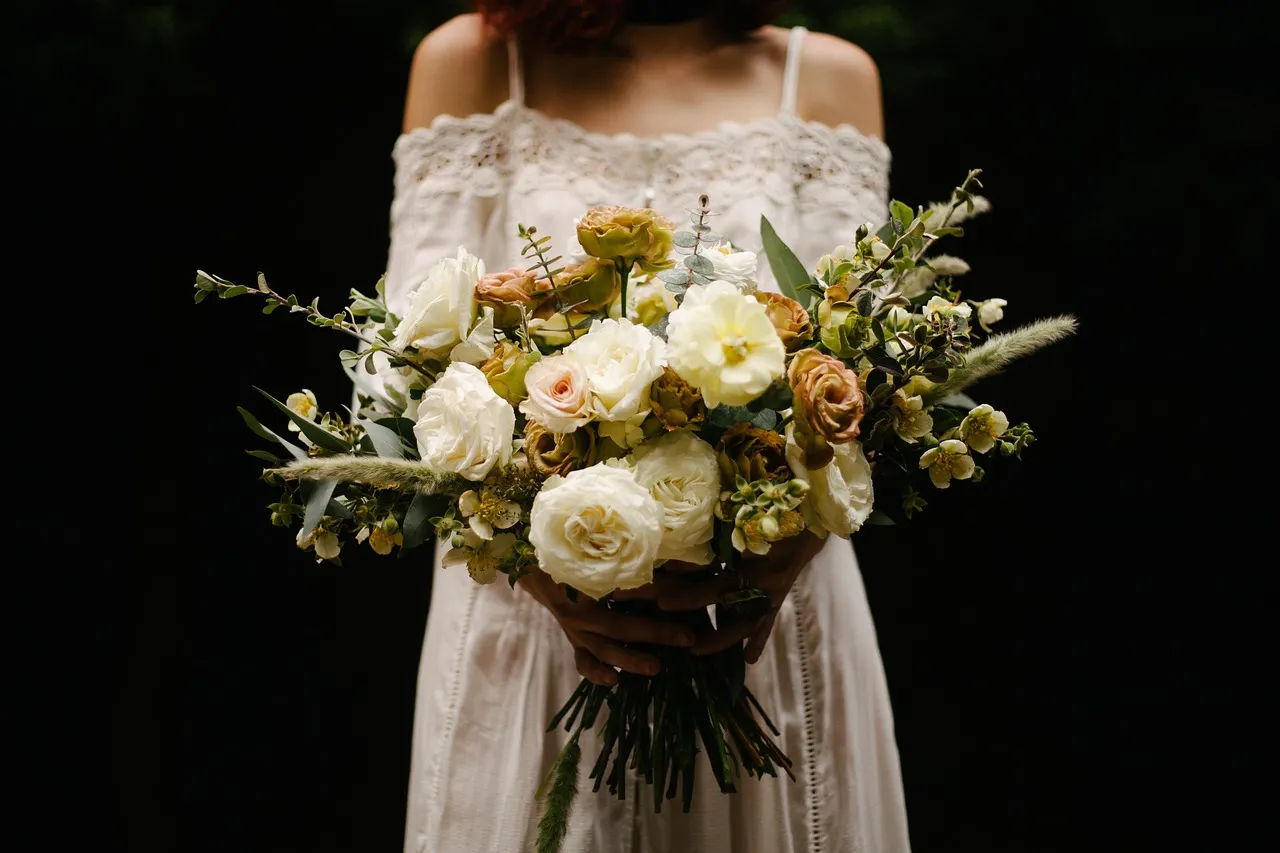
Big cities with many cultures living side by side change how brides picture their wedding day. Instead of following one trend from a magazine, they grow up around many ways to celebrate, dress, and show family traditions. In a big multicultural city, a place like MISSIA wedding dress boutique can feel like a tiny universe of fabrics and ideas that reflect this mix of influences.
This blend of cultures touches everything from neckline shapes to beadwork, which is why boutiques such as MISSIA wedding dress boutique often turn into quiet studios where new bridal looks appear first. Designers talk to brides from many backgrounds, listen to their stories, and combine details in ways that would rarely show up in a small, uniform town. When dozens of tiny style experiments happen every week in the same fitting rooms, trends move faster and feel more personal.
What Multicultural Cities Bring to Bridal Fashion
Cities with strong cultural variety gather people who carry different bridal traditions in their families. One bride may want a gown that nods to South Asian embroidery, while another dreams of simple lines with almost no decoration. Put these wishes in the same place, and local designers start to experiment, compare, and borrow. Over time, the bridal scene takes on its own style that does not belong to any single country, yet still feels familiar to many groups at once.
This mix also changes how brides shop. They arrive with screenshots from weddings in many parts of the world, not only from celebrity photos. They might ask for sleeves inspired by one culture and a skirt that feels like it came from another. For a boutique like MISSIA, this wide range of references is not a problem to solve but a source of fresh ideas. Fittings turn into storytelling sessions where brides explain childhood memories, family rules, and dream party settings, and those stories slowly turn into sketches.
How Culture Shows up in the Gown Itself
Culture is not just in bright colours or heavy embroidery. It hides in tiny choices guests barely notice. In a diverse city, designers at wedding dress boutiques look at how brides move when dancing, how long their ceremonies last, and which parts of the body they prefer to highlight or cover. From there, they shape skirt width, neckline height, and even zipper placement so that the dress feels beautiful and practical for the day that is planned.
Brides often bring photos with them. It can be their mother in a classic gown, a grandmother who married abroad, or even a cousin in something very traditional. Your first instinct might be to copy the style entirely. But professional designers know that it’s enough to pick one or two key details and add them to a modern silhouette — a lace edge from a family veil, a specific sleeve shape, or a row of tiny buttons can carry deep meaning while still fitting a current city wedding.
Colour follows the same pattern. Some brides stay with white or soft ivory. Others lean toward gentle gold, champagne, or a hint of blush that reflects where they come from. Floral motifs might echo local plants, folk patterns, or even the murals on nearby walls. With time, these repeated choices turn into a kind of city signature. People start to recognize “this looks like a dress from here,” even if they could not point to one exact culture behind it.
Accessories tell part of the story as well. Statement earrings, hairpieces, or gloves might echo traditional jewellery, folk crowns, or regional fabrics. Shoes and bags can pick up patterns or colours from the bride’s background, while the gown stays simple and clean.

How to Make the Most of a Diverse Bridal City
For brides planning to shop in a multicultural city, a bit of preparation can turn a visit to a wedding dress boutique into something special. However, the goal is not to squeeze many traditions into one dress, but to pick the parts that matter most and let the rest stay in photos, music, or décor. To do this, consider these simple steps:
- Gather family wedding photos from different places and times, then note the small details that still feel special, like a neckline, veil, or pattern.
- Save screenshots of dresses from various cultures that catch the eye, even if they feel far from the final idea. They often reveal hidden preferences.
- Make a short list of what is non-negotiable, such as modesty rules, comfort for dancing, or the ability to move easily during traditional rituals.
- Decide which guests or relatives should join the appointment and which can share feedback later, to keep the fitting calm.
- Stay open to fabric or shape suggestions that differ from the original plan but still respect personal and cultural wishes.
Brides who arrive with this clear but flexible mindset often leave with a gown that feels like a bridge between their background and their current life. The dress becomes less of a costume for one day and more of a true portrait of who they are and where they come from.
Why Diverse Cities Will Keep Shaping Bridal Fashion
Cities that gather many cultures are not a passing trend in bridal fashion. They act as long term testing grounds where new dress ideas appear, are worn, and then travel with photos and stories to other regions. A dress bought in one city may later inspire relatives hundreds of miles away, or spark a new request when someone posts their wedding album online.
Places like MISSIA Bridal Boutique sit near the centre of this flow. By listening closely to brides from many backgrounds and treating each appointment as a small design project, places like MISSIA help create bridal looks that feel both deeply personal and fresh. As long as people keep moving across borders and mixing traditions, cities with rich cultural variety will continue to shape how brides look and feel on their wedding day, one fitting at a time.