Owning a BMW outside the manufacturer’s warranty in the UK puts you in familiar territory. Something fails, the main dealer quotes a number that makes you wince, and you start wondering whether there’s a better way. There usually is.
- The Price Difference Is Often Substantial
- Genuine BMW Parts, Not Generic Alternatives
- The Parts Are Already Proven
- Availability of Discontinued and Rare Parts
- Colour-Matched Body Parts Without the Respray Bill
- Environmental Case for Buying Used Car Parts
- Warranty and Protection Are Increasingly Standard
- What to Look For When Buying Used BMW Parts Online
- Where to Find Reputable Used BMW Parts in the UK
- The Bottom Line
The market for used BMW parts has matured considerably over the past decade. What was once a murky mix of private sellers and general car boot sales has become a far more professional operation, with documented mileage, proper warranties, and parts sourced from written-off cars that were mechanically sound. If you’ve been on the fence about buying used BMW car parts, here are seven reasons the calculation tends to come out in their favour.
The Price Difference Is Often Substantial
BMW parts are expensive new, that’s not news to anyone who’s priced up a dealer quote. But the gap between new and used is wider on BMWs than on most other cars, because the original parts are engineered to a higher standard and priced accordingly. A replacement adaptive LED headlight from a BMW dealer can run to over a thousand pounds per side. A used BMW spare of the same specification, the same Bosch or Magneti Marelli unit, installed in the same housing, typically costs a fraction of that. For engines, gearboxes, and steering racks, the savings regularly run to several thousand pounds.
Genuine BMW Parts, Not Generic Alternatives
This is the point that gets lost in discussions about cost. Buying used BMW car parts from a reputable breakers yard doesn’t mean buying aftermarket equivalents or generic replacements. It means buying the original BMW part — the same part the car left the factory with, or an equivalent OEM component from a donor car of the same age and specification. Aftermarket body panels may not carry the right mounting points or sensor brackets. Aftermarket headlights may not meet the original beam pattern specifications. A genuine used BMW spare avoids every one of these problems.
The Parts Are Already Proven
A used BMW part that’s come off a low-mileage donor car has already been through the manufacturing process, installation, and real-world running. Any initial quality issues, the kind that occasionally show up in new components during their first period of use, have already been resolved. An engine with 35,000 miles on it and decades of life ahead isn’t a lesser option than a brand-new crate engine. In many respects, it’s a known quantity in a way that a new part from an unfamiliar manufacturer isn’t.
Availability of Discontinued and Rare Parts
BMW doesn’t support its model range with new parts indefinitely. Once a model goes out of production, new parts begin to thin out, first the specialist trims, then the mechanical components, and eventually the basics. The used BMW spares market fills this gap reliably. Alcantara seats from an E46 M3, a specific iDrive controller for a pre-2012 car, a colour-matched trim strip that’s been discontinued — these aren’t findable as new parts at any price. The used market is often the only source.
Colour-Matched Body Parts Without the Respray Bill
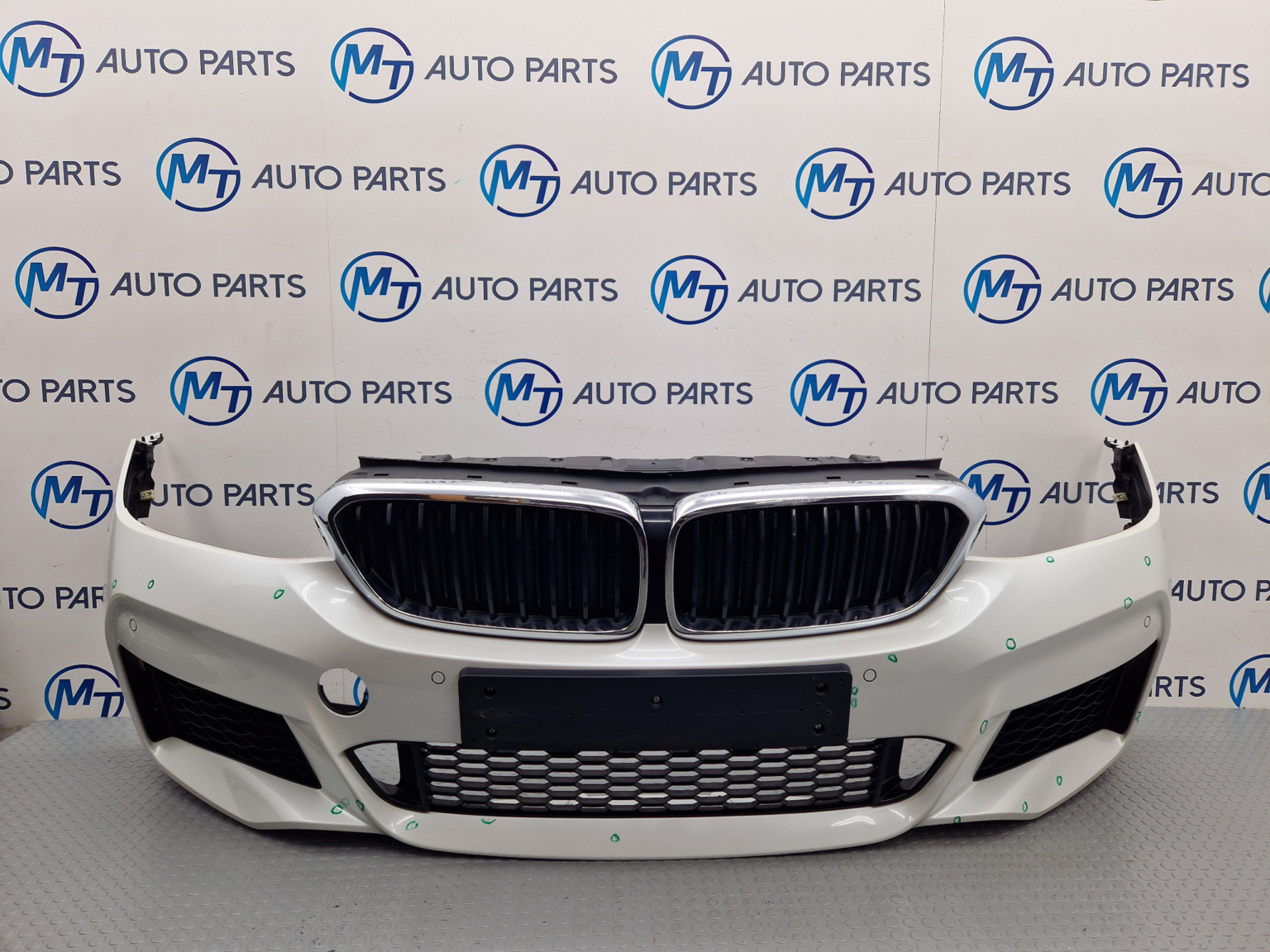
For body panels, bonnets, bumpers, and doors, buying used introduces an advantage that buying new never can. A new panel will almost always need painting to match your car’s colour. A used panel from a donor car of the same colour code may not need painting at all, or may need only minor correction work. Given that a professional respray on a single panel in the UK typically costs several hundred pounds, buying used BMW car parts in the right colour code is a saving that compounds quickly.
Environmental Case for Buying Used Car Parts
Every used BMW part that’s bought and fitted is one fewer component that needs to be manufactured from raw materials. BMW parts production has a significant carbon and resource footprint, particularly for complex components like engines, gearboxes, and catalytic converters. Reusing a component that still has many years of service life ahead of it is the more environmentally sound choice, and it’s one that the circular economy advocates increasingly loudly for. In the UK, authorised treatment facilities (ATFs) that process end-of-life vehicles operate under strict Environment Agency permits, which means the dismantling process itself is regulated and environmentally controlled.



Warranty and Protection Are Increasingly Standard
The perception that buying used BMW spares means buying without protection is outdated. Reputable specialist breaker yards in the UK now routinely offer 30-day warranties on used parts, clear return policies, and documented donor mileage on every listing. The level of professional process behind the better end of the used BMW parts market has caught up considerably with the reassurance buyers expect. Buying from a seller who backs their stock with a warranty, photographs their parts honestly, and confirms fitment against your registration before dispatch is a transaction with meaningful protection built in.
What to Look For When Buying Used BMW Parts Online
The seven reasons above assume you’re buying from the right source. The difference between a good experience and a poor one when buying used BMW parts for sale comes down to a handful of signals worth checking before you commit.
- Donor mileage documentation. Any credible seller will state the mileage of the car the part came from. This is particularly important for mechanical components. If mileage isn’t listed, ask. If they can’t tell you, buy elsewhere.
- Warranty and returns. A 30-day warranty as a minimum. A clear process for what happens if the part is faulty or incorrectly described. A seller who won’t commit to either is transferring all the risk to you.
- Fitment confirmation. BMW fitment varies by build date, optional equipment, and facelift cycle, not just by model and year. A seller who confirms fitment against your registration or VIN before dispatch is worth more than one who matches parts to a model name and hopes for the best.
- Specific condition descriptions. Photographs from multiple angles. Honest notes about any marks or wear. Vague listings hide vague stock.
Where to Find Reputable Used BMW Parts in the UK
One option worth knowing about is MT Auto Parts, a specialist BMW breakers yard based in Thurnscoe, South Yorkshire. Unlike general breakers dealing with dozens of makes at once, MT Auto Parts works exclusively on BMWs, F, G and U-generation models from 2012 onwards, which means the depth of fitment knowledge and stock is specific to the brand rather than spread thin across a general range.
Every part sold through MT Auto Parts comes with donor mileage documented and a 30-day warranty as standard. The yard operates under an authorised treatment facility permit, and the team confirms fitment against a buyer’s registration before dispatch. For anyone looking for used BMW spares with a level of documentation and aftercare behind them, it’s a starting point worth bookmarking. You can browse their full range at mtautoparts.com.
The Bottom Line
For the vast majority of BMW parts, mechanical, electrical, body, interior, or lighting, a used BMW spare from a reputable source represents a sound purchase. The key is knowing what you’re buying, where it came from, and what recourse you have if something isn’t right.
The seven reasons above aren’t arguments for buying used regardless of the circumstances. They’re an honest assessment of why, for most BMW owners facing a repair or replacement decision, the used market deserves serious consideration before the dealer quote gets accepted.