General room lighting provides ambient illumination, but specific tasks often require dedicated light sources. Reading, crafting, music practice, and detailed work all benefit from properly designed task lighting that delivers focused illumination exactly where needed.
Understanding Task Lighting Requirements
Different activities have distinct lighting requirements. Reading typically needs 300-500 lumens of focused light positioned to illuminate pages without creating glare. Detailed crafts may require 800 or more lumens with high color rendering to accurately distinguish materials. Computer work benefits from indirect lighting that reduces screen glare while illuminating the surrounding workspace.
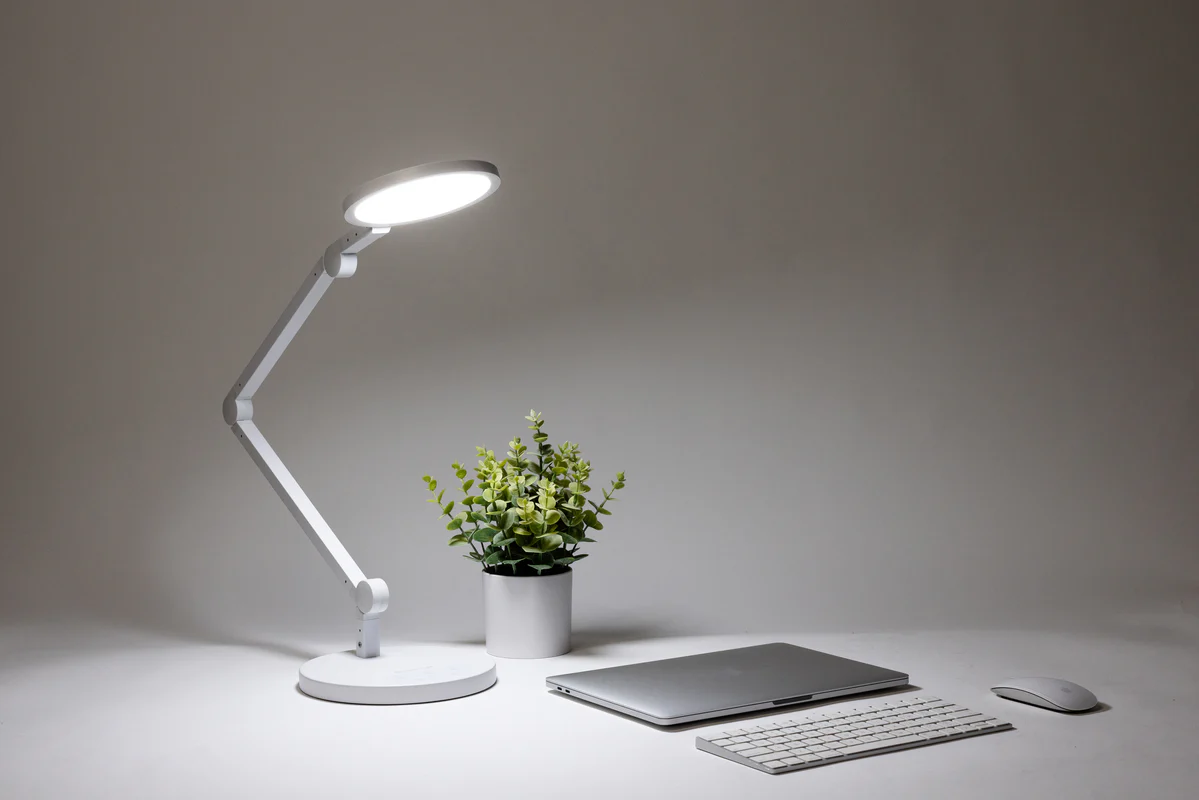
The angle of light matters as much as intensity. Task lamps should position light sources to prevent shadows from hands or tools while avoiding direct glare into eyes. Adjustable designs allow fine-tuning for individual comfort and task requirements.
Specialty Task Lamps
Some tasks require specially designed lighting solutions. Piano lamps must illuminate sheet music evenly across wide music stands. Desk lamps for professional use need adjustability and adequate output for extended work sessions. Picture lights require precise beam control to illuminate artwork without causing glare. House of Troy has built their reputation creating specialized task lighting that addresses these specific requirements with purpose-designed fixtures.
These specialty lamps differ fundamentally from decorative fixtures repurposed for task use. Their optical designs, output levels, and adjustability features are engineered for specific applications rather than adapted from general-purpose designs.
Desk Lamp Selection



Choosing a desk lamp involves balancing multiple factors. Traditional banker’s lamps with their green glass shades remain popular for good reason: the shade directs light downward while diffusing it to reduce harshness. Contemporary alternatives offer similar functionality with updated aesthetics.
Consider your work surface size when selecting a desk lamp. Larger desks may require lamps with longer reach or multiple fixtures. Built-in dimmers allow adjustment for different tasks and times of day. USB charging ports and other modern conveniences can add practical value.
Piano and Music Lighting
Musicians face unique lighting challenges. Sheet music requires even illumination across its full width without hot spots or shadows. Light must not glare into the musician’s eyes or distract audiences during performances. For acoustic instruments, heat from light sources must be managed to prevent tuning instability.
Purpose-designed piano lamps address these requirements through careful engineering. Extended linear light sources spread illumination evenly. Shielded designs prevent glare. LED technology provides bright, cool operation ideal for temperature-sensitive instruments.
Reading Light Considerations
Comfortable reading over extended periods requires thoughtful lighting. Position lights to the side rather than directly overhead to prevent shadows. Choose warm color temperatures (2700-3000K) that are easy on eyes during evening reading. Ensure adequate brightness without harsh intensity.
Floor lamps and table lamps both serve reading needs well. Floor lamps work beside chairs and sofas where table space is limited. Table lamps suit nightstands and side tables. Swing-arm designs in either format offer positioning flexibility.
Investing in quality task lighting improves comfort, reduces eye strain, and enhances productivity for any focused activity. The right lamp makes demanding tasks easier and more enjoyable.