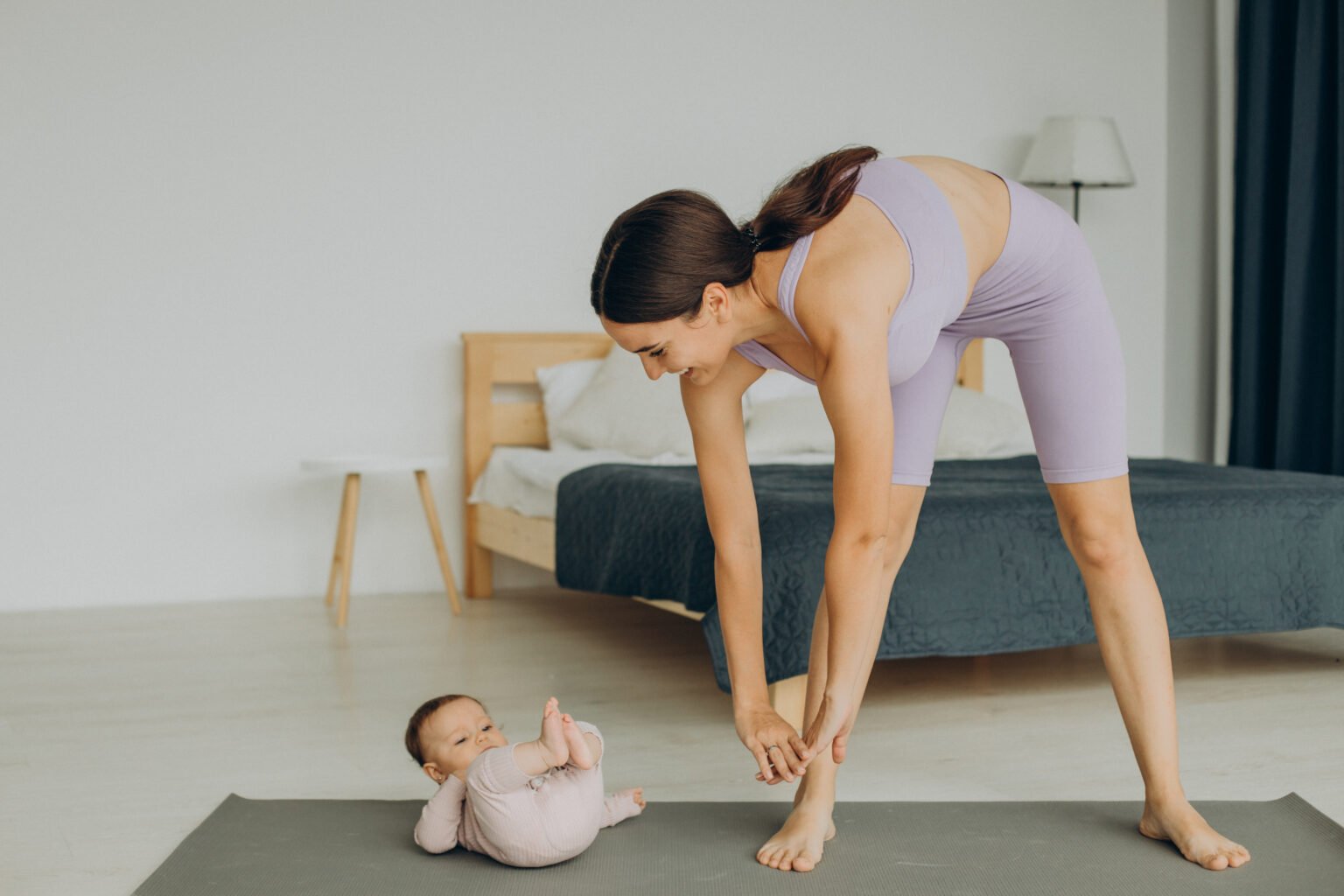
The journey of bringing a new life into the world is nothing short of miraculous. However, once the “fourth trimester” begins, many women find themselves navigating a complex landscape of physical exhaustion, emotional upheaval, and a body that feels fundamentally different. The abdominal muscles may feel weak, the lower back may ache from carrying the baby, and the profound fatigue of sleep deprivation can feel insurmountable.
At Patanjalee Shyambhai Yoga, we understand that postpartum recovery is not about “bouncing
back” to a pre-pregnancy weight. It is about rebuilding your foundation from the inside out. It is about reclaiming your core strength, stabilizing your pelvic floor, and replenishing the vital energy (Prana) that was expended during childbirth. Through our specialized Online Post Natal Yoga Classes, we provide a safe, nurturing, and scientifically-backed environment for mothers to heal and thrive.
The Postpartum Reality: Understanding the Shift
During pregnancy, the body undergoes radical physiological changes. The abdominal muscles stretch to accommodate the growing uterus, often leading to Diastasis Recti (a separation of the rectus abdominis). The pelvic floor muscles endure immense pressure, and the hormone relaxin softens the ligaments, leading to joint instability.
After birth, the sudden drop in hormones—combined with the physical demands of breastfeeding and lifting a growing infant—can leave the musculoskeletal system vulnerable. Many mothers jump back into high-impact workouts too soon, hoping to regain their shape, only to suffer from injuries or long-term pelvic floor dysfunction.
Mindful yoga offers a different path. Instead of forcing the body into submission, we invite the body to close, heal, and strengthen through intentional movement.
Rebuilding the Core: Beyond the “Six-Pack”
When we talk about the core in postpartum recovery, we aren’t talking about crunches or sit-ups. In fact, traditional abdominal exercises can often worsen Diastasis Recti by placing too much
intra-abdominal pressure on the weakened midline.
In our postnatal curriculum, we focus on the Deep Core:
- The Transverse Abdominis (TVA): This is the body’s internal Strengthening the TVA is the key to narrowing the abdominal gap and supporting the spine.
- The Pelvic Floor: Often neglected, a functional pelvic floor is essential for preventing incontinence and supporting the pelvic organs.
- The Diaphragm: Proper breathing is the first step in core The breath and the pelvic floor work in a synergistic rhythm.
By participating in Online Yoga Classes, you learn to synchronize your breath with subtle movements that re-engage these deep layers. We use isometric contractions and pelvic tilts that slowly “wake up” the nerves and muscles that were dormant during pregnancy.
Reclaiming Your Energy: From Exhaustion to Vitality
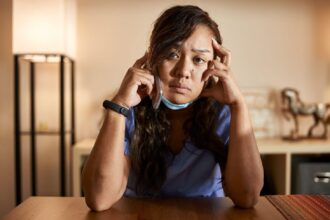
One of the greatest challenges for a new mother is the “energy drain.” Between late-night feedings and the mental load of caregiving, the nervous system often stays in a state of high alert (sympathetic dominance). This chronic stress leads to burnout, irritability, and a weakened immune system.
Yoga is a powerful tool for nervous system regulation. Through Pranayama (breathing techniques) and restorative asanas, we shift the body into the parasympathetic state—the “rest and digest” mode. This is where true recovery happens.
- Nadi Shodhana (Alternate Nostril Breathing): This technique helps balance the left and right hemispheres of the brain, calming the mind and reducing postpartum anxiety.
- Viparita Karani (Legs-Up-the-Wall): This simple restorative pose helps drain fluid from the legs, relieves pressure on the pelvic floor, and provides a deep sense of rejuvenation even when sleep is scarce.
At Patanjalee Shyambhai Yoga, our goal is to ensure that you finish a session feeling more energized than when you started. We don’t want to add another “to-do” that drains you; we want to provide a sanctuary that refills your cup.
Addressing the “Nursing Hunch”: Shoulder and Back Relief
The physical act of mothering often involves a lot of forward-leaning—nursing, rocking, and carrying. This leads to what is colloquially known as the “nursing hunch,” characterized by tight chest muscles, a rounded upper back, and neck pain.
Our postnatal sequences place a heavy emphasis on:
- Chest Opening: Gentle heart-opening poses that counteract the rounded-forward
- Spinal Decompression: Movements that create space between the vertebrae, relieving the lower back pain that often lingers after pregnancy.
- Shoulder Mobility: Releasing the tension in the trapezius and levator scapulae muscles to prevent tension headaches and stiffness.
The Mental and Emotional Bridge
Postpartum recovery is as much a mental journey as a physical one. The transition into motherhood—often called Matrescence—is a profound identity shift. Many women struggle with the disconnect between their “old self” and their “new self.”
The mindfulness component of our yoga practice provides a space for emotional processing. On the mat, there is no judgment. There is only the breath and the present moment. This practice of
“mindful presence” helps mothers cope with the unpredictability of life with a newborn. It builds resilience, patience, and a deeper sense of self-compassion.
Why Choose Online Classes for Postnatal Recovery?
We recognize that for a new mother, getting to a physical studio can be an Olympic-level feat. Coordinating childcare, packing a diaper bag, and commuting often makes the “self-care” of a yoga class feel like more stress than it’s worth.
This is why our virtual platform is so transformative.
- Comfort of Home: You can practice in your pajamas while your baby naps in the next
- Expert Supervision: Unlike following a generic YouTube video, our instructors provide
real-time feedback. We can see your alignment and suggest modifications if you are dealing with specific issues like a C-section scar or wrist pain.
- Consistency: The easiest way to see results in your core and energy levels is through regular The accessibility of online sessions makes it much easier to stay consistent.
The Patanjalee Shyambhai Yoga Difference
Our approach is rooted in the authentic teachings of Shyambhai, combined with a modern understanding of postnatal physiology. We don’t believe in a one-size-fits-all approach. Every
woman’s birth story is different—whether it was a vaginal birth, a C-section, or a birth with complications—and her recovery should reflect that.
We prioritize:
- Safety First: We guide you on when it is safe to increase intensity and when you need to pull back.
- Functional Movement: We teach you how to move on the mat in ways that help you move better off the mat (like how to lift your baby using your core rather than your back).
- Community: Even in a virtual space, you are part of a tribe of mothers who are on a similar journey, providing a sense of solidarity and support.
Your Path Forward: Step by Step
Rebuilding doesn’t happen overnight. It is a gradual process of layering strength upon strength.
- Phase 1 (Weeks 6-12): Focus on the breath, the pelvic floor, and gentle
- Phase 2 (Months 3-6): Introducing more stability work, strengthening the glutes and the back, and closing the abdominal gap.
- Phase 3 (Month 6 and beyond): Returning to a full, dynamic practice that builds endurance and high-level core integration.
By taking this structured approach, you ensure that your body remains strong for the long haul, capable of keeping up with a growing child without the risk of chronic pain or injury.
Conclusion
There is a common misconception that taking time for yoga is “selfish” when there is a baby to care for. However, the opposite is true. A mother who is physically strong, emotionally balanced, and energetically vibrant is better equipped to care for her family. When you heal your core, you stabilize your life. When you replenish your energy, you bring more joy to your household.
At Patanjalee Shyambhai Yoga, we are honored to support you in this sacred transition. Our mission is to help you feel at home in your body once again. Let us guide you through the healing power of mindful movement, providing the tools you need to navigate motherhood with grace and strength.
Are you ready to begin your recovery? Join our community today and experience the profound benefits of a practice tailored specifically for your postnatal needs. Your journey to a stronger core and a more energized life starts here.