
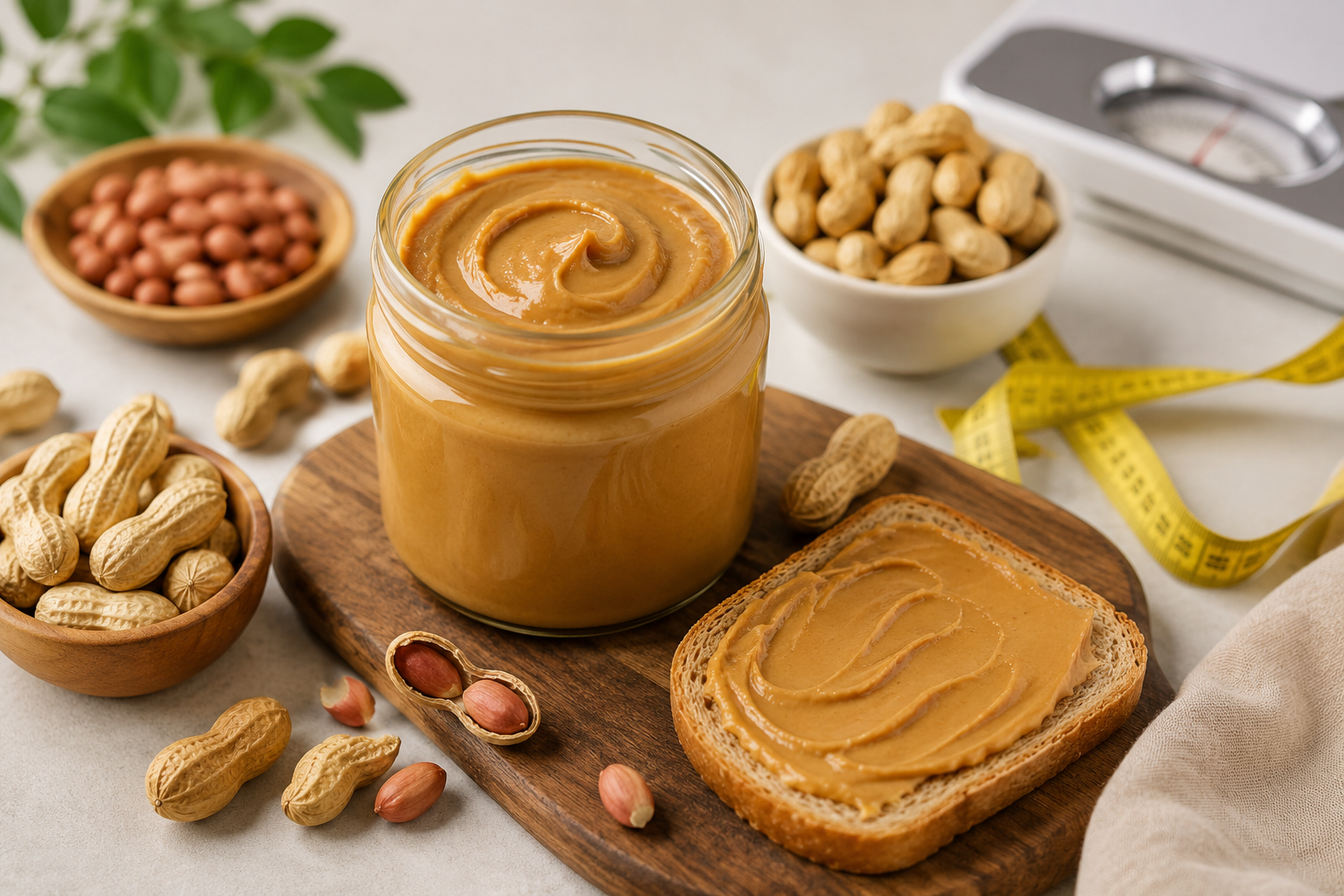
Protein peanut butter is traditional peanut butter enhanced with an additional protein source — usually whey, casein, or a plant-based isolate — to raise its protein content per serving without changing its essential character. It suits athletes, high-protein dieters, and anyone seeking a dense, convenient source of nutrition. Choose it when muscle recovery, satiety, or time efficiency matter more than a traditional peanut-only ingredient list.
- What Is Protein Peanut Butter?
- What Are the Nutritional Benefits of Protein Peanut Butter?
- Who Should Use Protein Peanut Butter?
- How Do You Incorporate Protein Peanut Butter Into Your Diet?
- What Are the Top Brands and Varieties of Protein Peanut Butter?
- Is Protein Peanut Butter Worth Adding to Your Diet?
- Frequently Asked Questions
Peanut butter has always done quiet work. It fills gaps between meals, carries flavor into oats and smoothies, and asks little in return. Protein peanut butter extends that function. It takes a familiar staple and gives it a second job — supporting muscle repair, extending satiety, and closing the gap between what a diet demands and what a jar of peanuts alone can offer.
This is not a reinvention. It is an adjustment, made with precision rather than spectacle. A standard spoonful of peanut butter carries roughly 7 grams of protein. The enhanced version can carry two to three times that, with the added protein folded into the same base of roasted peanuts, oil, and salt.
What follows is a plain account of what protein peanut butter is, who benefits from it, and how it earns a place in a considered diet.
What Is Protein Peanut Butter?
Traditional peanut butter is made from roasted peanuts, ground until smooth or left coarse, with oil and salt added to stabilize texture and taste. Protein peanut butter starts from that same base and adds a concentrated protein source — most commonly whey protein isolate, though plant-based versions use pea or soy protein for a dairy-free alternative.
The protein is blended in during processing, not layered on top. This keeps the texture close to conventional peanut butter, though some brands trade a measure of creaminess for density. The nutritional composition shifts accordingly: more protein per serving, often less sugar, and in some formulations, added fiber to support the shift in macronutrient balance.
How Is Protein Added to Peanut Butter?
Manufacturers typically introduce protein in one of three ways:
- Whey protein isolate — the most common addition, prized for its complete amino acid profile and neutral flavor.
- Plant-based protein — pea or soy isolate, used in vegan formulations.
- Casein protein — slower-digesting, occasionally used in products marketed for nighttime recovery.
Each method changes the final protein count, the texture, and the price. Whey-based versions tend to blend most smoothly into the peanut base. Plant-based versions can be grittier but suit a wider range of dietary restrictions.

What Are the Nutritional Benefits of Protein Peanut Butter?
The appeal of protein peanut butter rests on four measurable advantages.
Higher protein content supports muscle recovery and growth. A typical two-tablespoon serving of protein peanut butter can deliver 15 to 20 grams of protein, compared to 7 grams in the standard version. For anyone training regularly, that difference compounds across a week of meals.
Healthy fats and fiber sustain energy over longer stretches. Peanuts are naturally rich in monounsaturated fats, which digest slowly and help prevent the sharp blood sugar swings associated with simple carbohydrates. Combined with added protein, this creates a longer window of sustained energy — useful before a workout, or in place of a mid-afternoon snack that would otherwise spike and crash.
Many formulations contain less sugar than regular peanut butter. Several brands reduce added sugars to offset the inclusion of protein, producing a final product that is both higher in protein and lower in sugar than a standard jar. This is not universal — some brands add flavoring that reintroduces sugar — so reading the label remains necessary.
Peanuts retain their native micronutrients. Vitamin E, magnesium, and niacin are present in peanuts before any protein is added, and these do not disappear during fortification. Protein peanut butter, in most cases, inherits the same micronutrient base as its traditional counterpart.
Who Should Use Protein Peanut Butter?
Protein peanut butter is not formulated for a single type of eater. It serves distinct needs across several groups.
Athletes and fitness enthusiasts use it to close the gap between training demands and daily protein intake, particularly around workout windows when muscle repair is most active.
People following high-protein diets — whether for strength training, weight management, or general metabolic health — use it as a dense, portable protein source that requires no preparation.
Busy professionals turn to it for convenience. A spoonful added to oatmeal or spread on toast delivers meaningful protein without the time cost of cooking.
Those managing weight or appetite benefit from the satiety effect of combined protein and healthy fat, which can reduce the likelihood of reaching for less nutritious snacks later in the day.
Choose protein peanut butter over standard peanut butter if protein density and satiety matter more to your goals than ingredient simplicity. Choose standard peanut butter if a shorter ingredient list, or avoiding added dairy and processing, matters more.
How Do You Incorporate Protein Peanut Butter Into Your Diet?
Protein peanut butter works across several parts of a daily eating pattern, not just as a standalone snack.
Protein smoothie bowls and shakes. A spoonful blended with banana, oats, and milk turns a light breakfast into a more substantial one, without reaching for a separate protein powder.
Post-workout snacks and meals. Paired with a banana or a slice of whole-grain toast, it offers a quick combination of carbohydrates and protein suited to recovery.
Baking and cooking applications. Protein peanut butter can be folded into energy balls, protein pancakes, or baked goods, adding structure and nutrition without altering flavor significantly.
Quick breakfast ideas. Spread on toast, stirred into overnight oats, or layered into a parfait, it turns a simple breakfast into one with meaningfully more staying power.
What Are the Top Brands and Varieties of Protein Peanut Butter?
The category has grown enough to offer real variety, across protein source, texture, and price.
Whey-based varieties tend to deliver the highest protein count per serving and the closest texture match to traditional peanut butter. These suit anyone without dairy sensitivities who wants maximum protein density.
Plant-based varieties use pea or soy protein and suit vegan diets or those avoiding dairy. Texture can be slightly grainier, though formulations have improved steadily.
Natural or minimally processed varieties add protein while keeping the ingredient list short — often just peanuts, protein isolate, and salt, with no added sugar or oil stabilizers.
Price varies with protein source and processing: whey-based jars typically sit in the mid-range, while specialty plant-based or organic versions carry a premium. Availability has widened considerably, with most major grocery chains now stocking at least one protein peanut butter option alongside the traditional kind.
Is Protein Peanut Butter Worth Adding to Your Diet?
Protein peanut butter does one thing well: it takes a familiar, trusted food and gives it more nutritional weight, without asking the eater to change their habits. For athletes, high-protein dieters, and anyone short on time, that small adjustment carries real value across a week of meals.
The right choice depends on what matters most — protein density, ingredient simplicity, or dietary restriction — and the category now offers enough variety to match each of those priorities. Try a jar alongside your usual routine: a smoothie, a slice of toast, a post-workout snack. Then decide what role it earns in your week. And if you land on a favorite brand or recipe, share it — these small discoveries are how the best uses of a staple food get found.
Frequently Asked Questions
Is protein peanut butter healthier than regular peanut butter?
It depends on the formulation. Protein peanut butter typically offers more protein per serving and sometimes less sugar, but regular peanut butter has a shorter ingredient list. Neither is universally healthier — the better choice depends on individual dietary goals.
How much protein is in protein peanut butter compared to regular peanut butter?
Regular peanut butter contains about 7 grams of protein per two-tablespoon serving. Protein peanut butter can contain 15 to 20 grams in the same serving size, depending on the brand and protein source used.
Can protein peanut butter help with weight loss?
It can support weight management by increasing satiety through combined protein and healthy fat, which may reduce overall snacking. It is not a weight-loss product on its own and works best as part of a balanced diet.
Is protein peanut butter suitable for vegans?
Many brands now offer plant-based protein peanut butter using pea or soy protein isolate, making it suitable for vegan diets. Whey-based versions are not vegan, as whey is derived from dairy.
Does protein peanut butter taste different from regular peanut butter?
Texture and flavor stay close to traditional peanut butter in most whey-based formulations. Plant-based versions can be slightly grittier, though quality has improved as the category has matured.