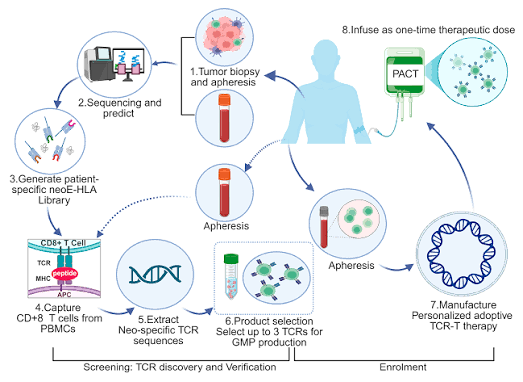
Cellular therapies represent a monumental leap in modern medicine, offering targeted interventions for complex hematological and oncological conditions. However, the path to a successful transplant does not begin in the procedure room. It starts with a highly meticulous preparatory phase. A thoroughStem Cell Diagnosis and Evaluation is the absolute cornerstone of the entire treatment process. This intensive medical workup determines a patient’s eligibility, dictates the specific treatment protocol, and minimizes the risk of severe post-procedural complications. World-renowned medical centers, including Liv Hospital, emphasize that a successful outcome is intrinsically linked to the precision of these early diagnostic protocols.
Assessing Disease Status and Patient History
Before a cellular transplant can be considered, oncologists and hematologists must conduct an exhaustive review of the patient’s entire medical history. This involves analyzing the exact nature of the primary disease, such as leukemia, lymphoma, multiple myeloma, or severe aplastic anemia. Medical teams evaluate how the patient has responded to previous interventions, including systemic chemotherapy or targeted radiation. Determining the current stage and aggressiveness of the disease is vital, as it heavily influences whether an autologous (self-donated) or allogeneic (donor-provided) transplant is the safest and most effective course of action.
Complete Organ Function Testing
Stem cell transplantation is exceptionally physically taxing. The conditioning phase, which utilizes high doses of chemotherapy or radiation to eradicate diseased cells, places immense physiological stress on the body’s vital organs. Therefore, the medical team must ensure the patient has the resilience to withstand the demanding treatment.
- Cardiac Evaluation: An echocardiogram (ECHO) or an electrocardiogram (EKG) is routinely performed to measure the heart’s pumping efficiency and check for underlying structural abnormalities or hidden cardiovascular distress.
- Pulmonary Function Tests: These specific tests measure lung capacity and the efficiency of oxygen transfer into the bloodstream, ensuring the respiratory system can handle the rigorous medical therapies without failing.
- Hepatic and Renal Panels: Extensive blood tests are drawn to assess the liver and kidneys. These specific organs are responsible for filtering and metabolizing the heavy pharmaceutical load required during the transplant process, making their optimal function non-negotiable.
Bone Marrow Biopsy and Advanced Blood Diagnostics
A direct microscopic examination of the bone marrow is standard protocol during the evaluation stage. A bone marrow aspiration and biopsy allow pathologists to look closely at the biological environment where blood is actively produced. This vital diagnostic tool reveals the exact percentage of healthy cells versus malignant ones, providing a precise snapshot of the current disease burden. In addition, extensive blood work is ordered. Complete blood counts (CBC), broad metabolic panels, and highly specialized genetic testing help medical professionals map out the complete biological landscape of the patient’s condition.
HLA Typing: The Science of Donor Matching
If an allogeneic transplant is required, the evaluation phase must include Human Leukocyte Antigen (HLA) typing. HLA are distinct proteins found on the surface of most cells in the body, serving as the immune system’s primary method for distinguishing “self” from “non-self.” Finding a donor with a closely matching HLA profile is paramount for success. A poor genetic match significantly increases the risk of graft-versus-host disease (GVHD), a potentially life-threatening complication where the newly transplanted donor cells recognize the recipient’s tissues as foreign and attack them. The diagnostic team will screen siblings and, if necessary, seamlessly transition to searching international donor registries to find the optimal genetic match.
Infectious Disease Screening
Because the medical conditioning regimen purposefully decimates the patient’s native immune system, any pre-existing infection can become catastrophic post-transplant. Both the patient and the potential donor undergo rigorous screening for a wide array of infectious agents. This intensive panel typically tests for HIV, hepatitis B and C, cytomegalovirus (CMV), syphilis, and various other viral, bacterial, or fungal pathogens. If an underlying infection is detected during the evaluation, it must be aggressively treated and fully neutralized before the transplant timeline can proceed.
Psychological and Social Assessments
The physical evaluation is only one part of the overarching equation; mental and emotional readiness are equally important to survival and recovery. A prolonged hospital stay in isolation, the physical side effects of high-dose chemotherapy, and the intense anxiety of the engraftment phase require immense mental fortitude. Psychological evaluations ensure the patient fully understands the risks, benefits, and psychological demands of the procedure. Furthermore, medical social workers strictly evaluate the patient’s support network. Having a dedicated caregiver, usually a family member or close friend is absolutely required, as patients will need round-the-clock assistance, transportation, and monitoring once they are finally discharged from the medical facility.
Every step of this exhaustive preparatory phase is designed with a singular focus: patient safety and long-term medical success. By rigorously screening organ function, mapping precise genetic markers, and ensuring psychological readiness, specialized medical teams can anticipate potential complications long before they arise. This meticulous approach to diagnosis transforms a highly complex medical intervention into a calculated, precision-guided therapy, heavily maximizing the potential for profound healing and long-lasting cellular regeneration.