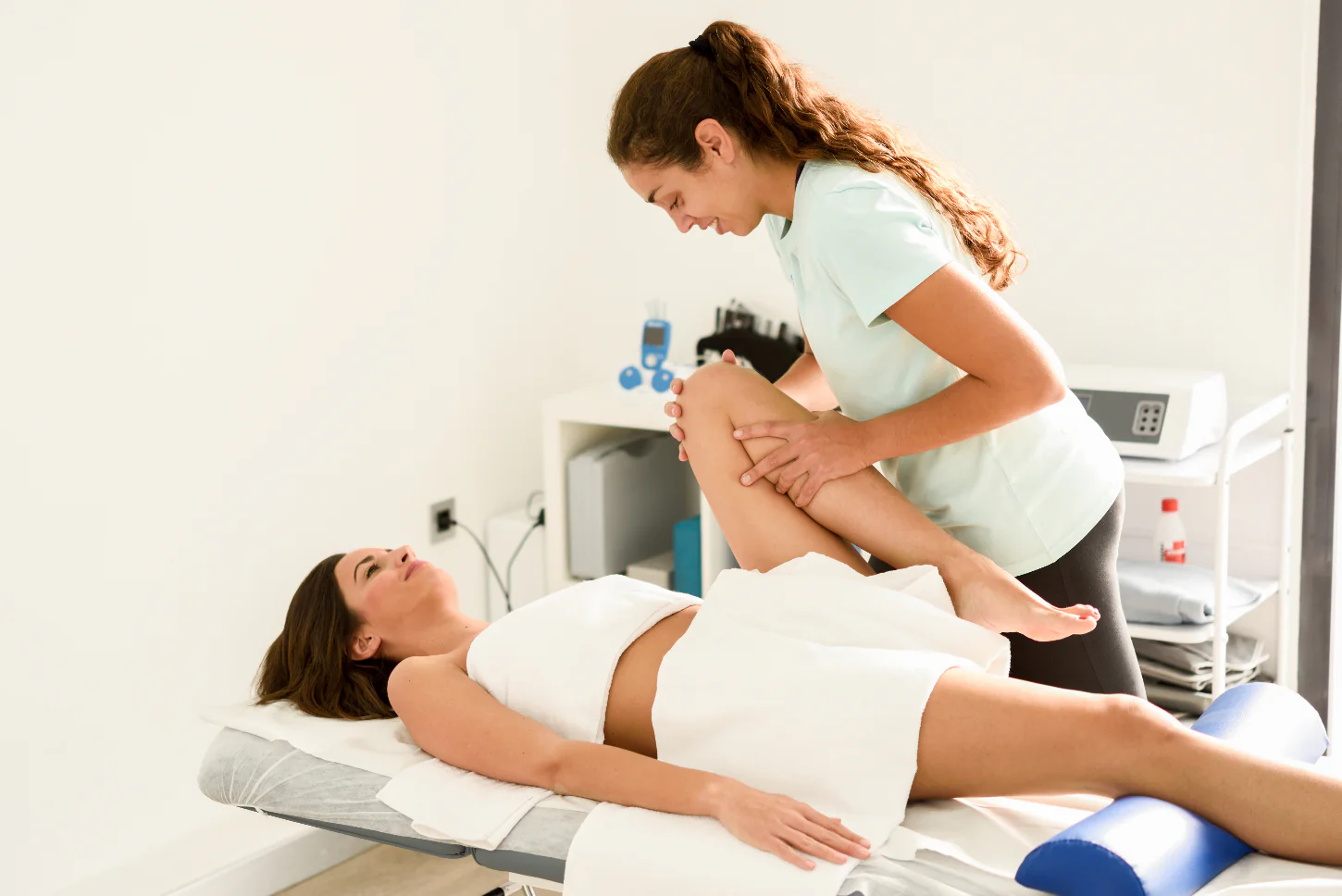
Recovery from injury, surgery, or chronic pain often requires more than a single form of treatment. Patients frequently benefit from a multidisciplinary approach, where licensed massage therapists work alongside physical therapists and medical professionals to promote healing, improve mobility, and reduce pain.
- Understanding the Role of Licensed Massage Therapists in Healthcare
- Collaboration With Physical Therapy
- Integration With Medical Care
- Physical and Functional Benefits of Integrated Care
- Accelerated Healing and Recovery
- Pain Management Without Over-Reliance on Medication
- Improved Flexibility and Mobility
- Mental and Emotional Benefits
- Stress Reduction and Relaxation
- Better Sleep and Cognitive Wellness
- Enhanced Patient Confidence and Motivation
- Specialized Applications of Integrated Massage Therapy
- Best Practices for Safe and Effective Integration
- Long-Term Benefits of Integrated Care
- Sustained Pain Relief and Functional Independence
- Preventive Health and Wellness
- Holistic Improvement in Quality of Life
- Conclusion
Integrating massage therapy into a broader healthcare plan allows for personalized care, ensuring that each patient’s unique needs are addressed. From improving circulation and flexibility to supporting mental well-being, licensed massage therapists play a key role in complementing traditional medical and rehabilitative care.
This article explores how professional massage therapy is integrated with physical therapy and medical treatment, highlighting the benefits for patients seeking optimal recovery and long-term wellness.
Understanding the Role of Licensed Massage Therapists in Healthcare
Who Are Licensed Massage Therapists?
Licensed massage therapists (LMTs) are trained professionals who specialize in manual techniques to manipulate muscles, fascia, and connective tissue. They undergo rigorous education and licensing exams to ensure safe and effective care.
LMTs assess muscle tension, range of motion, and postural alignment, creating tailored treatment plans that target specific patient needs. Their expertise allows them to complement medical care without replacing it, ensuring a holistic and coordinated recovery plan.
Scope of Practice
Licensed massage therapists can perform a variety of techniques, including deep tissue massage, medical massage, trigger point therapy, and myofascial release. These methods help relieve pain, reduce inflammation, and restore mobility, which enhances the effectiveness of physical therapy and other medical interventions.
Collaboration With Physical Therapy
Complementing Rehabilitation Exercises
Physical therapists design rehabilitation exercises to restore strength, flexibility, and function. Licensed massage therapists complement these exercises by reducing muscle tension, improving circulation, and addressing adhesions.
For example, after knee surgery, a patient may follow a physical therapy plan with strengthening exercises, while massage therapy helps reduce post-operative stiffness and improve joint mobility, allowing exercises to be performed more comfortably and effectively.


Reducing Pain and Muscle Spasms
Muscle spasms and tightness can limit progress in physical therapy. LMTs use targeted massage techniques to alleviate discomfort, making it easier for patients to complete prescribed exercises. This synergy accelerates rehabilitation and improves overall outcomes.
Enhancing Range of Motion
By loosening tight muscles and fascia, massage therapy supports joint flexibility and functional movement. Patients recovering from injuries or surgeries often experience faster improvements in range of motion when massage therapy is combined with physical therapy.
Integration With Medical Care
Working Alongside Physicians
Licensed massage therapists frequently collaborate with physicians, orthopedic specialists, and rehabilitation teams. Medical guidance ensures that massage therapy complements treatment plans, medications, and surgical recovery protocols, maintaining patient safety and therapeutic effectiveness.
Supporting Chronic Condition Management
Patients with chronic conditions such as arthritis, fibromyalgia, or neuropathy benefit from the combined approach of medical care and massage therapy. LMTs provide targeted muscle relief and stress reduction, enhancing the patient’s ability to follow medical recommendations and physical therapy exercises.
Monitoring and Feedback
Licensed massage therapists often communicate progress and patient responses to the medical team. This continuous feedback loop ensures that therapies remain aligned with overall medical goals and patient safety, improving the effectiveness of recovery plans.
Physical and Functional Benefits of Integrated Care
Accelerated Healing and Recovery
When massage therapy is integrated with physical therapy and medical care, patients often experience faster recovery times. Massage reduces inflammation, improves blood flow, and relaxes tight muscles, allowing the body to heal more efficiently.
Pain Management Without Over-Reliance on Medication
LMTs provide non-pharmacologic pain relief through techniques like deep tissue massage and myofascial release. This approach can reduce the need for pain medications, minimizing potential side effects and supporting safer recovery.
Improved Flexibility and Mobility
Targeted massage supports joint and muscle function, allowing patients to perform daily activities and therapeutic exercises more effectively. Improved flexibility reduces strain on muscles and joints, helping prevent re-injury or complications.
Mental and Emotional Benefits
Stress Reduction and Relaxation
Recovery is not just physical—it’s mental. Licensed massage therapists help reduce stress, anxiety, and tension, promoting relaxation and better adherence to therapy protocols.
Better Sleep and Cognitive Wellness
Massage therapy supports restorative sleep, which is essential for tissue repair and overall healing. Patients often report increased mental clarity, focus, and energy levels, supporting long-term wellness.
Enhanced Patient Confidence and Motivation
Feeling physically comfortable and supported can boost patient confidence and motivation, encouraging adherence to physical therapy exercises and medical instructions, which is crucial for successful recovery outcomes.
Specialized Applications of Integrated Massage Therapy
Post-Surgical Rehabilitation
For patients recovering from surgeries like orthopedic procedures, joint replacements, or spinal surgeries, integrating massage therapy reduces scar tissue formation, post-operative stiffness, and pain, allowing rehabilitation exercises to progress safely.
Sports and Athletic Recovery
Athletes benefit from a coordinated approach, with physical therapy enhancing strength and movement, while massage therapy addresses muscle fatigue, tension, and minor injuries, improving performance and reducing recovery time.
Chronic Pain and Long-Term Conditions
Patients with chronic musculoskeletal disorders or postural issues see improvements in pain management, mobility, and daily function when massage therapy is integrated with ongoing medical care and physical therapy plans.
Best Practices for Safe and Effective Integration
Selecting Qualified Professionals
For optimal outcomes, patients should work with licensed massage therapists, certified physical therapists, and board-certified physicians. Qualified professionals ensure safety, precision, and effectiveness throughout the recovery process.
Communication and Coordination
Regular communication among the therapist, physician, and patient is key. Sharing progress, limitations, and patient feedback ensures that treatment plans are adjusted appropriately for maximum benefit.
Patient Education and Involvement
Patients who understand the role of each therapy component are more engaged and compliant. LMTs often educate patients on stretching, posture, and self-care techniques, supporting holistic recovery and long-term health.
Long-Term Benefits of Integrated Care
Sustained Pain Relief and Functional Independence
Combining massage therapy with physical therapy and medical care promotes long-term pain reduction, improved mobility, and greater independence in daily activities.
Preventive Health and Wellness
Regular therapeutic sessions help maintain muscle health, joint flexibility, and stress management, preventing recurrence of injuries and chronic conditions.
Holistic Improvement in Quality of Life
Integrated care addresses both physical and mental health, providing a comprehensive approach that supports overall wellness, confidence, and patient satisfaction.
Conclusion
Licensed massage therapists play a crucial role in integrating physical therapy and medical care to achieve optimal recovery outcomes. Through targeted techniques, collaboration with healthcare providers, and patient-centered care, massage therapy enhances pain management, flexibility, circulation, and mental well-being.
Patients recovering from surgery, managing chronic conditions, or seeking preventive care benefit from a coordinated approach where licensed massage therapists complement traditional medical treatment. This integration ensures safe, effective, and holistic recovery, helping patients regain function, comfort, and confidence in their daily lives.