Workplace safety is a top priority in industries such as construction, manufacturing, oil and gas, utilities, and warehousing. Employees often work at heights, around heavy machinery, or in hazardous environments where risks are unavoidable. To reduce workplace injuries and ensure compliance with safety regulations, businesses must invest in reliable protective equipment. Among the most critical safety gear items are full body harnesses and protective workwear. A high-quality fall safety harness can mean the difference between a minor incident and a life-threatening accident.
- Understanding Full Body Safety Harnesses
- Why Fall Protection Is Critical
- Key Features of a Quality Fall Safety Harness
- 1. Durable Webbing Material
- 2. D-Rings and Attachment Points
- 3. Adjustable Straps
- 4. Padding for Comfort
- 5. Quick-Connect Buckles
- Essential Components of a Fall Protection System
- Protective Workwear Essentials
- High-Visibility Clothing
- Flame-Resistant (FR) Clothing
- Cut-Resistant Gloves
- Safety Helmets and Hard Hats
- Steel-Toe Safety Boots
- Compliance with Safety Standards
- Training and Proper Usage
- Maintenance and Inspection Best Practices
- Benefits of Investing in High-Quality Safety Gear
- Emerging Innovations in Safety Equipment
- Conclusion
In this comprehensive guide, we will explore the importance of full body safety harnesses, essential protective workwear, and how to choose the right equipment for maximum safety and compliance.
Understanding Full Body Safety Harnesses
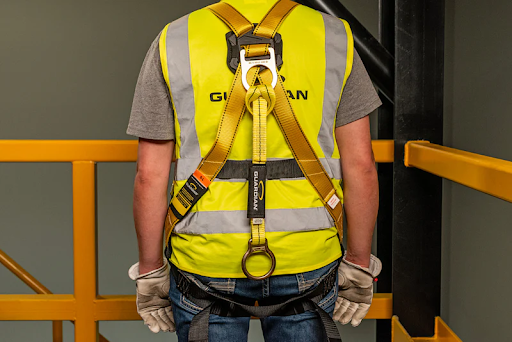
A full body safety harness is a personal protective equipment (PPE) device designed to distribute fall forces across the body in the event of a fall. Unlike older belt-style systems, modern harnesses secure the shoulders, chest, waist, and thighs, reducing the risk of injury during fall arrest.
The primary purpose of a fall safety harness is to protect workers operating at elevated heights, such as on scaffolding, rooftops, towers, or industrial platforms. When connected to a secure anchor point via a lanyard or lifeline, the harness helps arrest a fall safely and minimizes impact forces.
Full body harnesses are engineered to provide comfort, durability, and mobility while maintaining the highest safety standards.
Why Fall Protection Is Critical
Falls remain one of the leading causes of workplace injuries and fatalities worldwide. Construction sites, maintenance operations, and high-rise installations are particularly vulnerable to fall-related incidents.
Implementing proper fall protection systems offers multiple benefits:
- Reduces risk of serious injuries or fatalities
- Ensures compliance with occupational safety regulations
- Minimizes downtime due to workplace accidents
- Protects employers from legal liabilities
- Promotes a culture of safety
By integrating a certified fall safety harness into daily operations, companies demonstrate their commitment to worker protection and regulatory compliance.


Key Features of a Quality Fall Safety Harness
When selecting a safety harness, it is important to evaluate its construction, materials, and design. High-quality harnesses typically include:
1. Durable Webbing Material
Harnesses are commonly made from high-strength polyester or nylon webbing designed to withstand heavy loads and harsh environmental conditions.
2. D-Rings and Attachment Points
Strategically placed D-rings—usually located on the back (dorsal), chest (sternal), or sides—allow secure connection to lifelines and lanyards.
3. Adjustable Straps
Adjustable shoulder, chest, and leg straps ensure a snug yet comfortable fit for different body sizes.
4. Padding for Comfort
Padded straps reduce pressure during prolonged use and improve worker comfort.
5. Quick-Connect Buckles
Modern harnesses feature quick-connect buckles for easy wearing and removal, increasing efficiency on job sites.
Choosing a certified fall safety harness that meets recognized safety standards is essential for reliable fall protection.
Essential Components of a Fall Protection System
A harness alone is not sufficient. A complete fall protection system includes several interconnected components:
- Anchor Points: Secure structural elements capable of supporting fall forces.
- Lanyards: Connect the harness to the anchor point.
- Shock Absorbers: Reduce impact forces during a fall.
- Lifelines: Vertical or horizontal lines providing mobility while maintaining protection.
Each component must be compatible and inspected regularly to ensure system integrity.
Protective Workwear Essentials
In addition to fall protection, workers require comprehensive protective clothing suited to their environment. Proper workwear enhances safety, comfort, and productivity.
High-Visibility Clothing
High-visibility (hi-vis) jackets and vests are essential in construction zones and roadside projects. Reflective strips and bright colors improve worker visibility in low-light conditions.
Flame-Resistant (FR) Clothing
Industries involving welding, electrical work, or flammable substances require flame-resistant garments to reduce burn injuries.
Cut-Resistant Gloves
Workers handling sharp tools or materials benefit from gloves designed to prevent cuts and abrasions.
Safety Helmets and Hard Hats
Head protection prevents injuries from falling objects and impacts.
Steel-Toe Safety Boots
Reinforced boots protect feet from heavy objects, sharp debris, and slippery surfaces.
Combining protective clothing with a fall safety harness ensures comprehensive protection in high-risk environments.
Compliance with Safety Standards
Employers must ensure all safety equipment complies with local and international regulations. Recognized standards such as OSHA (Occupational Safety and Health Administration), ANSI (American National Standards Institute), and EN (European Norm) provide guidelines for fall protection and PPE requirements.
Regular equipment inspections and worker training are also essential for maintaining compliance. Harnesses should be inspected before each use and periodically by a competent professional to identify wear, damage, or compromised components.
Training and Proper Usage
Even the highest-quality safety equipment is ineffective without proper training. Workers must understand how to:
- Wear and adjust harnesses correctly
- Connect lanyards securely
- Identify appropriate anchor points
- Inspect equipment before use
- Follow emergency rescue procedures
Comprehensive safety training ensures employees are confident and competent in using their protective gear. Proper usage significantly enhances the effectiveness of a fall safety harness and reduces workplace risks.
Maintenance and Inspection Best Practices
Routine inspection and maintenance extend the lifespan of safety equipment and ensure optimal performance. Employers should establish regular inspection schedules and maintain detailed records.
Check for:
- Frayed or torn webbing
- Damaged stitching
- Rusted or deformed D-rings
- Faulty buckles
- Signs of chemical exposure
Any damaged harness should be removed from service immediately. Proper storage in a dry, clean environment further preserves equipment integrity.
Benefits of Investing in High-Quality Safety Gear
While budget constraints may tempt businesses to choose lower-cost options, investing in premium protective equipment offers long-term benefits:
- Greater durability and reliability
- Reduced accident-related costs
- Improved employee morale
- Enhanced company reputation
- Lower insurance premiums
Workers who feel protected are more confident and productive. A dependable fall safety harness and protective workwear demonstrate an organization’s commitment to employee well-being.
Emerging Innovations in Safety Equipment
The safety industry continues to evolve with innovative technologies designed to enhance worker protection. Smart harnesses with integrated sensors can detect falls and send automatic alerts. Lightweight materials improve comfort without compromising strength.
Additionally, ergonomic designs reduce fatigue during extended shifts, increasing compliance and consistent usage. As technology advances, fall protection systems will become even more efficient and user-friendly.
Conclusion
Full body safety harnesses and protective workwear are essential components of workplace safety in high-risk industries. Falls remain one of the most serious hazards, making reliable fall protection systems critical for preventing injuries and fatalities.
A certified fall safety harness, combined with appropriate protective clothing, provides comprehensive protection and ensures compliance with safety regulations. By investing in high-quality equipment, conducting regular inspections, and providing proper training, employers can create safer work environments and protect their most valuable asset—their workforce.
Prioritizing safety is not just a legal requirement; it is a responsibility that fosters trust, productivity, and long-term success.