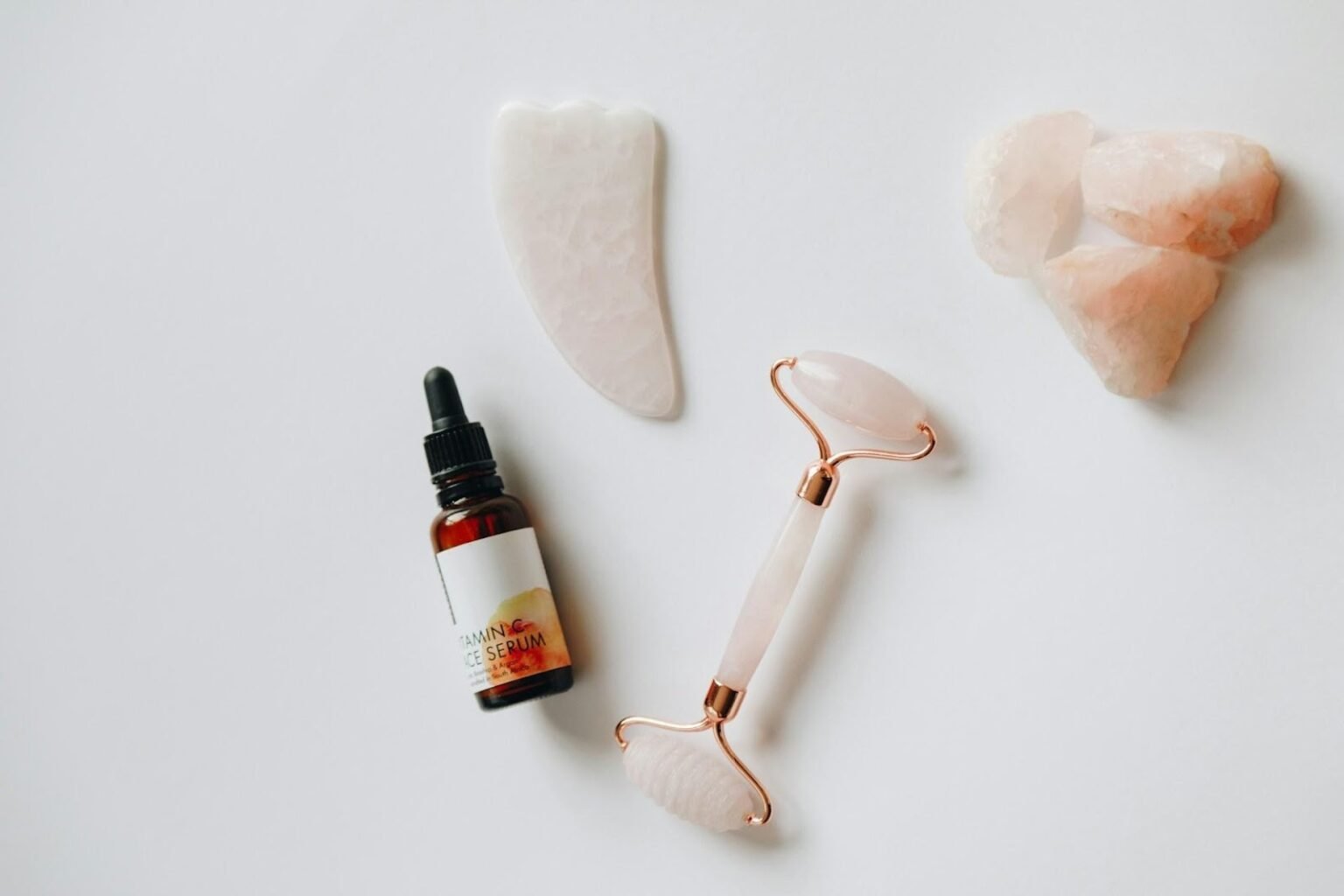
Face creams are among the most widely used skincare products in the world, yet they are also among the most misunderstood.
Shelves are filled with jars promising miracles: instant anti-aging, flawless skin, deep hydration, and cellular repair. Marketing language often sounds scientific, persuasive, and absolute. Dermatologists, however, tend to approach face creams with a much more measured and realistic perspective. Understanding what actually matters can save both your skin and your money.
One of the biggest secrets dermatologists emphasize is that a face cream is not a magic solution. It cannot completely reverse aging, erase deep wrinkles, or change your skin type. What it can do is support the skin barrier, maintain hydration, and deliver active ingredients that work gradually over time. Skin health is cumulative, meaning consistency matters far more than any single product.
Another important point is that “expensive” does not always mean “better.” Many luxury creams contain fragrances, heavy textures, and marketing-driven ingredients that add little real benefit. Dermatologists often prefer formulations that are simple, well-balanced, and supported by research. Ingredients like glycerin, ceramides, niacinamide, hyaluronic acid, and certain peptides have proven benefits when used correctly and consistently.
The skin barrier is a concept that dermatologists talk about constantly, but it rarely gets the attention it deserves in marketing. Your face cream’s primary job is to protect and reinforce this barrier. When the barrier is compromised, skin becomes dry, irritated, sensitive, and more prone to breakouts. A good face cream does not sting, does not cause redness, and does not feel uncomfortable after application. If it does, that is a signal your skin is not benefiting from it, regardless of how impressive the ingredient list looks.
Another misconception is that more active ingredients automatically mean better results. In reality, combining too many actives can overwhelm the skin, leading to inflammation and long-term damage. Dermatologists often recommend a “less is more” approach, especially for people with sensitive or reactive skin. A well-formulated face cream should complement your routine, not compete with serums, treatments, or prescription products.
Skin type also plays a critical role. A cream that works beautifully for dry skin may clog pores for someone with oily or acne-prone skin. Dermatologists stress the importance of texture as much as ingredients. Lightweight gels and emulsions suit oily skin, while richer creams benefit dry or mature skin. The goal is comfort and balance, not heaviness.
Marketing terms like “dermatologist tested” or “clinically proven” can be misleading. These phrases are not always regulated and do not necessarily mean the product has undergone rigorous independent testing. Dermatologists rely more on ingredient transparency and formulation logic than on claims printed on packaging. This is especially relevant in global markets, where cosmetic regulations differ and branding strategies can vary widely, sometimes intersecting with broader issues such as commercial international disputes between manufacturers and distributors over labeling, claims, and intellectual property.



Another key secret is patience. Most face creams need weeks, sometimes months, to show visible improvements. Immediate effects usually come from hydration and light-reflecting ingredients, not structural skin changes. True benefits like improved texture, barrier repair, and reduced sensitivity take time. Dermatologists often advise evaluating a product after at least four to six weeks of consistent use.
Fragrance is another controversial topic. While it may enhance the sensory experience, fragrance is one of the most common causes of irritation and allergic reactions. Dermatologists frequently recommend fragrance-free formulations, especially for people with rosacea, eczema, or sensitive skin. A cream does not need to smell pleasant to be effective.
Finally, dermatologists emphasize that face creams work best as part of a broader skincare strategy. Sun protection, gentle cleansing, adequate sleep, stress management, and a balanced diet all influence how your skin responds to any product. No cream can compensate for chronic sun exposure or a damaged skin barrier caused by harsh routines.
In essence, the real secret dermatologists want you to know is that skincare is about understanding your skin, not chasing promises. A good face cream supports, protects, and nourishes over time. When chosen thoughtfully and used consistently, it becomes a reliable ally rather than a source of disappointment.