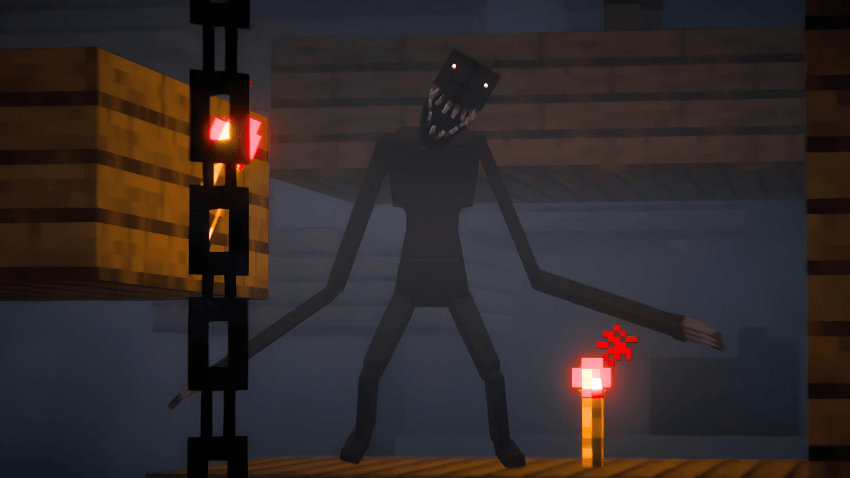
Horror has always been a captivating genre, drawing audiences into the depths of fear and suspense. From classic black-and-white films that sent shivers down spines to today’s immersive experiences that blur the lines between reality and nightmare, horror has evolved dramatically over the years. Now, we find ourselves in an era where technology enhances our thrill-seeking adventures like never before. Imagine stepping into your favorite horror film or navigating through a haunted house with chilling realism—this is not just fantasy; it’s the world of enhanced horror experience.
- The Evolution of Horror: From Traditional to Enhanced
- What Makes an Enhanced Horror Experience?
- Virtual Reality and Augmented Reality in Horror
- Interactive Haunted Houses and Escape Rooms
- The Use of Sound and Lighting for Maximum Fear Factor
- Psychological Effects of Enhanced Horror
- Ethical Concerns Surrounding Enhanced Horror
- Enhancing the Horror Genre: A Look at Popular Examples
- Tips for Creating Your Own Enhanced Horror Experience
- History and evolution of horror media and entertainment
- Explanation of how enhanced horror experiences work
- Different types of enhanced horror experiences (virtual reality, escape rooms, etc.)
- Benefits and drawbacks of participating in enhanced horror experiences
- Popular destinations and events for enhanced horror experiences
- Tips for a successful and enjoyable enhanced horror experience
- The future of horror entertainment and potential advancements in technology
- Conclusion: Is
As we delve deeper into this spine-tingling realm, you’ll discover how virtual reality (VR) and augmented reality (AR) are transforming traditional scares into something unforgettable. We’ll explore interactive environments like escape rooms and haunted attractions that engage all your senses while pushing the boundaries of fear. Join us as we unravel what makes these new-age horrors tick and how you can make the most out of every scream-inducing moment!
The Evolution of Horror: From Traditional to Enhanced
Horror has deep roots in storytelling, dating back to ancient folklore and myths. Early tales relied on suspense and the unknown, often using imagination to evoke fear.
As cinema emerged, horror found a new medium. Silent films like “Nosferatu” brought visual terror to life. The iconic monsters of the 1930s and 1940s solidified horror’s place in pop culture. Viewers were transfixed by the eerie atmosphere created through practical effects.
Fast forward to the late 20th century: slasher films exploded onto screens, capitalizing on shock value and gore. These narratives tapped into societal fears while pushing boundaries further than ever before.
Today’s enhanced horror experiences take these foundations and elevate them with technology. Virtual reality transports participants into chilling environments where they face their worst nightmares firsthand. This evolution sparks an entirely new realm of immersion that traditional formats could only hint at.
What Makes an Enhanced Horror Experience?
An enhanced horror experience transcends traditional storytelling. It immerses participants in a world where fear feels palpable.
Interactive elements are key. Audiences become part of the narrative, influencing outcomes and heightening tension. Choices matter, creating a personal stake in the unfolding drama.



Technology plays a vital role. Virtual reality transports users into chilling environments, while augmented reality layers haunting visuals over familiar settings. These innovations disrupt our sense of safety.
Sensory engagement amplifies dread too. Strategic sound design can trigger anxiety through sudden jolts or eerie silences. Coupled with dim lighting and unexpected shadows, it crafts an atmosphere that lingers long after leaving.
Psychological manipulation enhances involvement further by tapping into individual fears and anxieties. This tailored approach fosters an unforgettable journey that resonates deeply within each participant’s psyche.
Virtual Reality and Augmented Reality in Horror
Virtual reality (VR) and augmented reality (AR) have revolutionized the horror genre. They immerse participants in terrifying worlds where every sound and sight feels incredibly real.
In VR experiences, players find themselves surrounded by chilling environments. With headsets that transport users into haunted houses or dark forests, the sense of presence is unparalleled. Every jump scare hits harder when you feel like you’re actually there.
On the other hand, AR adds a layer of fright to familiar settings. Imagine walking through your neighborhood while ghostly figures appear before your eyes on your smartphone screen. This blend of reality with supernatural elements creates an unsettling tension that’s hard to shake off.
These technologies not only enhance fear but also allow for deeper storytelling. Players can engage with narratives in ways traditional media cannot offer, making each experience personal and unique. The stakes are higher than ever as technology blurs the line between fiction and reality.
Interactive Haunted Houses and Escape Rooms
Interactive haunted houses and escape rooms have transformed the way we experience fear. These immersive environments pull you into a narrative, making each visit unique.
In an interactive haunted house, every corner reveals surprises. Actors dressed as ghouls may jump out at unexpected moments. Each room tells a story that evolves with your choices, heightening the thrill.
Escape rooms add another layer of engagement. You’re not just navigating scares; you must solve puzzles to “escape.” The urgency amplifies tension as time ticks down.
Both experiences rely on teamwork and communication. Friends gather to share screams, laughter, and adrenaline rushes together.
These adventures immerse participants in horror like never before. They challenge our perceptions of fear while encouraging collaboration and critical thinking in high-stakes situations.
The Use of Sound and Lighting for Maximum Fear Factor
Sound and lighting play crucial roles in crafting an immersive horror experience. The right combination can heighten tension and evoke primal fears.
Imagine eerie whispers echoing through a darkened room. These subtle audio cues create an unsettling atmosphere, making every footstep feel amplified. Sudden crescendos or jarring screams catch the audience off guard, amplifying their fear response.
Lighting is equally powerful. Flickering bulbs cast ominous shadows that distort familiar spaces into realms of uncertainty. Low-light environments enhance vulnerability, while harsh beams suddenly illuminating unexpected figures send chills down your spine.
Using silence effectively can be just as frightening as loud noises. A momentary absence of sound builds suspense, leaving participants breathless with anticipation for what’s to come.
Together, sound and lighting form a symbiotic relationship that transforms ordinary settings into chilling experiences where every creak and flicker tells its own terrifying story.
Psychological Effects of Enhanced Horror
Enhanced horror experiences tap into our deepest fears, creating a psychological impact that traditional formats often miss. The immersion draws participants into scenarios where they confront their anxieties head-on.
These heightened encounters can trigger intense emotional responses. Fear becomes visceral when surrounded by realistic soundscapes and lifelike visuals. The brain processes these stimuli as real threats, activating the fight-or-flight response.
Moreover, enhanced horror blurs the line between reality and fiction. This phenomenon can lead to lingering anxiety even after the experience concludes. Participants may find themselves questioning what’s real long after leaving the haunted house or taking off their VR headset.
Such experiences also foster connection among friends or strangers facing fear together. Shared terror creates bonds but can also spark individual reflection on personal fears and boundaries. It challenges us to explore how we react under pressure in a controlled environment—pushing limits while entertaining profound insights about ourselves.
Ethical Concerns Surrounding Enhanced Horror
Enhanced horror experiences push boundaries, raising significant ethical considerations. Participants often face psychological challenges, as immersive settings blur the lines between reality and fiction. This can lead to distressing experiences for some individuals.
Consent becomes a critical topic in these environments. Many attractions employ shock tactics that may not align with every participant’s comfort level. It’s essential for organizers to provide clear warnings and ensure participants understand what they are entering.
Moreover, there’s a risk of desensitization to fear or violence through repeated exposure. As audiences seek more intense thrills, creators may feel pressured to escalate their offerings significantly.
Accessibility must be addressed; many enhanced horror experiences might inadvertently exclude individuals with certain disabilities or phobias. Balancing thrilling entertainment while being considerate of diverse audiences is vital in shaping the future of this genre.
Enhancing the Horror Genre: A Look at Popular Examples
The horror genre has continuously evolved, pushing boundaries and exploring new avenues for fear. One standout example is the “Resident Evil 7: Biohazard” video game. It introduced players to a chilling first-person perspective that heightened immersion, making every creak of the floorboards feel personal.
Another captivating instance is the immersive experience offered by “Sleep No More” in New York City. Here, audiences roam through a transformed hotel while witnessing scenes unfold around them, blending live performance with an eerie atmosphere.
Virtual reality experiences like “The Walking Dead: Saints & Sinners” allow fans to step into a post-apocalyptic world where survival relies on their choices. Each decision amplifies suspense and dread.
Haunted attractions have also taken creativity up a notch. Events like Universal Studios’ Halloween Horror Nights combine cutting-edge technology with skilled storytelling to create unforgettable encounters that linger long after you leave.
Tips for Creating Your Own Enhanced Horror Experience
Start by setting the mood. Choose a location that enhances the eerie atmosphere—dim lighting, creaky floors, or even an abandoned building can elevate tension.
Incorporate immersive elements like sound effects and music. Use unsettling noises to create suspense and anticipation. A sudden loud bang can evoke fear in surprising ways.
Consider interactive components. Engage your guests with puzzles or challenges that require teamwork to solve while navigating through scares. This involvement makes every jump more impactful.
Design unique characters for added depth. Whether it’s a ghostly guide or a menacing figure lurking in shadows, well-crafted personas can leave lasting impressions.
Know your audience’s limits. Tailor experiences to their comfort levels, ensuring everyone enjoys the thrill without crossing into distressing territory.
History and evolution of horror media and entertainment
Horror has a rich history that dates back to ancient times. Early tales of ghosts and monsters were a way for cultures to explain the unknown and confront their fears.
As literature evolved, so did horror. The Gothic novels of the 18th century introduced elements like isolation, madness, and the supernatural. Authors such as Mary Shelley and Bram Stoker set foundations for modern horror storytelling.
With the advent of film in the early 20th century, horror found new life on screen. Silent films captivated audiences with eerie visuals while sound revolutionized how fear could be conveyed—think chilling scores or bone-chilling screams.
Television later brought horror into homes, making it more accessible than ever before. Shows explored psychological terror alongside traditional scares.
Today’s digital age has birthed interactive experiences that blur lines between audience and narrative, pushing boundaries further than previous generations imagined possible.
Explanation of how enhanced horror experiences work
Enhanced horror experiences tap into our primal fears through immersive storytelling and cutting-edge technology. They engage multiple senses to create a visceral atmosphere that traditional media simply can’t replicate.
Virtual reality places you in terrifying scenarios, making you feel every jolt and jump scare as if they’re happening to you. The combination of sight, sound, and even touch can be overwhelming.
Escape rooms elevate the thrill with interactive puzzles set in chilling environments. You become part of the story, racing against time while eerie sounds or sudden darkness heighten your anxiety.
These experiences often utilize innovative techniques like 4D effects—think fog machines or moving floors—to add layers of realism. This multi-dimensional approach ensures heightened engagement and lasting memories long after the experience ends.
Every detail is meticulously crafted to draw participants deeper into the horror narrative, transforming fear from mere entertainment into an unforgettable adventure.
Different types of enhanced horror experiences (virtual reality, escape rooms, etc.)
Enhanced horror experiences come in various thrilling forms. Virtual reality (VR) immerses you in spine-chilling scenarios where every sound and sight feels real. You can face ghosts or navigate haunted landscapes, all from the comfort of your living room.
Escape rooms offer a different kind of fear. Here, teamwork is key as you solve puzzles to escape terrifying themes like zombie apocalypses or sinister labs. The pressure builds with each tick of the clock.
Interactive haunted houses take things up a notch. You walk through eerie settings, often engaging with actors who heighten the tension. Every corner could reveal something lurking in the shadows.
Augmented reality blends digital elements into real-world spaces, creating an unsettling fusion that keeps players on edge. Each experience offers unique thrills while tapping into our deepest fears and anxieties, making them unforgettable adventures for horror aficionados everywhere.
Benefits and drawbacks of participating in enhanced horror experiences
Enhanced horror experiences offer a thrilling escape from reality. They immerse participants in environments that stimulate the senses, creating unforgettable moments. For many, the adrenaline rush is unmatched and can even strengthen bonds between friends.
However, there are drawbacks to consider. The intensity of these experiences may not be suitable for everyone. Some individuals could find themselves overwhelmed by fear or anxiety during particularly intense scenarios.
Moreover, accessibility can be an issue. Not all enhanced horror events cater to diverse audiences or those with specific needs.
Costs also factor into the equation. While some experiences provide great value for entertainment, others might feel overpriced compared to traditional forms of media like movies or books.
Weighing these factors helps potential participants decide if they want to dive into this captivating world of enhanced horror.
Popular destinations and events for enhanced horror experiences
For thrill-seekers, popular destinations for enhanced horror experiences abound. One standout is Universal Studios’ Halloween Horror Nights. This event transforms the park with immersive mazes based on iconic horror films and original themes.
In addition to theme parks, cities like Salem, Massachusetts offer chilling tours steeped in witch trial history. The historical context adds layers of fear that resonate deeply.
Escape rooms have also risen in popularity, with themed options ranging from zombie apocalypses to haunted asylums. Each room presents a unique challenge where participants must solve puzzles under pressure.
Immersive theater events such as “Sleep No More” provide an interactive narrative experience that keeps audiences constantly on edge. Attendees wander through beautifully crafted sets while engaging with performers who might pop up unexpectedly at any moment.
These locations not only enhance the fright factor but also create unforgettable memories for those brave enough to participate.
Tips for a successful and enjoyable enhanced horror experience
To make the most of your enhanced horror experience, preparation is key. Start by familiarizing yourself with the type of experience you’ll be diving into—whether it’s virtual reality or an escape room.
Bring a friend or two for support and shared thrills. Experiencing fear together can amplify the excitement and create lasting memories.
Dress comfortably but appropriately. You never know how physical an activity might get, so wear clothes that allow movement.
Keep an open mind. Enhanced horror experiences are designed to push boundaries, so embrace every twist and turn without holding back your reactions.
Remember to breathe! If things get too intense, take a moment to regroup before plunging back into the fray. Enjoy every scare; it’s all part of the fun!
The future of horror entertainment and potential advancements in technology
The future of horror entertainment promises thrilling possibilities. As technology advances, we can expect even more immersive experiences that push the boundaries of fear and excitement.
Imagine a world where artificial intelligence creates personalized horror scenarios tailored to individual fears. Each encounter could shift based on real-time responses, making every experience unique.
Moreover, virtual reality will likely evolve further, offering hyper-realistic environments that blur the line between fiction and reality. Players might find themselves facing their deepest fears in fully interactive settings.
Augmented reality may also play a significant role. Picture urban spaces transformed into haunted landscapes where ghostly figures emerge from everyday surroundings.
As these innovations unfold, ethical considerations will grow increasingly important. Balancing thrill with safety is crucial as audiences explore new depths of fear in entertainment.
Conclusion: Is
The evolution of horror has taken us on a thrilling journey. Today’s enhanced horror experience combines classic elements with cutting-edge technology, creating an immersive atmosphere that captivates audiences in new ways. As participants engage with these experiences, they confront their fears like never before.
Enhanced horror experiences encompass various formats: from virtual reality to escape rooms and interactive haunted houses. Each format offers unique methods for inducing fear and excitement, drawing fans into the heart of the terror. These innovative approaches not only heighten the thrill but also enhance emotional engagement.
As we embrace augmented reality or sophisticated sound design, the boundaries of traditional horror continue to expand. The psychological effects are profound; fear becomes more tangible when we actively participate in our frightful surroundings.
Yet this transformation raises ethical questions about safety and consent within such intense environments. It is crucial for creators to balance thrill with responsibility, ensuring that all participants feel secure while still experiencing genuine scares.
Some popular examples have emerged as front-runners in this genre expansion—experiences that have garnered rave reviews stand out among countless offerings designed to terrify enthusiasts. They often set benchmarks for what makes an enhanced horror experience truly unforgettable.
If you’re eager to dive into this realm yourself, consider preparing ahead of time by researching events that suit your comfort level while maximizing enjoyment and immersion. Pay attention to details like timing and group dynamics—they can significantly shape your encounter with fear.
Looking toward the future reveals promising advancements poised to redefine how we experience horror entertainment further than ever imagined—a landscape where innovation meets creativity may unlock even deeper layers of dread waiting just beyond reach.
What stands at stake? Perhaps it’s not merely a question of fun but rather exploring our limits through these chilling narratives woven seamlessly into our realities.