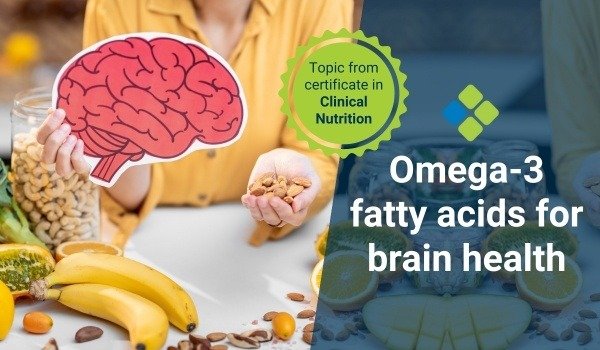
The human brain is one of the most complex and energy-demanding organs in the body, and it relies heavily on fat to function properly. Among the different types of fats, one stands out as particularly vital for brain performance and development – docosahexaenoic acid (DHA). This long-chain omega-3 fatty acid plays a crucial role in maintaining cognitive health, emotional balance, and neural integrity throughout every stage of life.
- What Is DHA?
- Why DHA Is Essential for Brain Health
- 1. DHA Supports Cognitive Function and Memory
- 2. DHA Promotes Brain Development in Infants and Children
- 3. DHA Helps Maintain Emotional Balance
- 4. DHA Protects Against Age-Related Cognitive Decline
- Scientific Evidence Supporting DHA’s Role
- Dietary Sources of DHA
- Maintaining a Brain-Healthy Lifestyle
What Is DHA?
DHA, or docosahexaenoic acid, is one of the three primary omega-3 fatty acids, alongside EPA (eicosapentaenoic acid) and ALA (alpha-linolenic acid). It is most abundant in fatty fish such as salmon, sardines, and mackerel, as well as in fish oil and algae-based supplements. Unlike ALA – which is found in plant sources like flaxseeds and walnuts – DHA is directly usable by the brain and is far more effective at supporting cognitive and neurological functions.
DHA makes up about 25–30% of the brain’s total fatty acid content and is a major structural component of the brain’s gray matter and retina. This means that DHA isn’t just a nutrient; it is literally part of what your brain is made of.
Why DHA Is Essential for Brain Health
The brain depends on DHA to maintain the fluidity and flexibility of its cell membranes. These membranes surround neurons – the cells responsible for transmitting messages throughout the brain and nervous system. When membranes are rich in DHA, signals travel faster and more efficiently, resulting in better communication between brain cells.
1. DHA Supports Cognitive Function and Memory
Research has shown that DHA levels directly influence memory, focus, and learning. Adequate DHA helps improve neuron growth and synaptic plasticity – the brain’s ability to form and reorganize connections in response to new information. This process is crucial for learning and long-term memory formation.
Studies have found that people with higher DHA intake tend to perform better on memory and reaction-time tests. Conversely, low DHA levels are associated with cognitive decline and a higher risk of dementia or Alzheimer’s disease.
2. DHA Promotes Brain Development in Infants and Children
DHA is especially critical during pregnancy and early childhood when the brain is developing at a rapid pace. In fact, DHA accumulates in the fetal brain during the last trimester of pregnancy and continues to build up throughout the first two years of life.
Mothers who consume DHA-rich foods or supplements during pregnancy and breastfeeding have been shown to support their baby’s visual and cognitive development. Infant formulas fortified with DHA also contribute to better visual acuity and problem-solving skills compared to non-fortified formulas.


3. DHA Helps Maintain Emotional Balance
Beyond memory and learning, DHA also plays a role in regulating mood and emotional well-being. It supports the function of neurotransmitters such as serotonin and dopamine, which influence happiness, motivation, and relaxation.
A deficiency in DHA has been linked to increased risks of anxiety, depression, and mood disorders. Several clinical trials suggest that DHA supplementation, particularly in combination with EPA, can help reduce depressive symptoms and promote a more stable emotional state.
4. DHA Protects Against Age-Related Cognitive Decline
As we age, our DHA levels tend to decline, leading to reduced brain volume and slower mental processing. This reduction contributes to memory loss and cognitive impairment. Studies have shown that people with higher dietary intake of DHA and EPA experience slower cognitive decline and are less likely to develop Alzheimer’s disease.
DHA also helps protect neurons from oxidative stress and inflammation – two major contributors to neurodegenerative diseases. It enhances the production of brain-derived neurotrophic factor (BDNF), a protein that supports the survival and growth of neurons, acting as a natural defense against aging-related brain damage.
Scientific Evidence Supporting DHA’s Role
Multiple studies reinforce the connection between DHA and brain health:
- A review published in the American Journal of Clinical Nutrition found that higher DHA concentrations in the blood are associated with improved cognitive performance and memory in adults.
- In another study, elderly individuals who consumed fish rich in omega-3s at least once a week had a 60% lower risk of developing Alzheimer’s disease compared to those who rarely ate fish.
- Research in The Journal of Nutrition, Health & Aging also highlighted that DHA supplementation improves reaction time, working memory, and problem-solving ability in middle-aged adults.
These findings make DHA one of the most well-researched nutrients for brain longevity and mental clarity.
Dietary Sources of DHA
To maintain optimal DHA levels, it’s important to include omega-3-rich foods in your diet. Excellent sources include:
- Fatty fish such as salmon, mackerel, sardines, herring, and anchovies
- Fish oil supplements, which typically provide a high dose of both EPA and DHA
- Algae oil supplements, ideal for vegetarians and vegans
- Fortified foods like DHA-enriched eggs, milk, or plant-based beverages
For those who rarely consume fish, taking a high-quality omega-3 supplement with at least 250–500 mg of combined EPA and DHA daily can help support brain health. Higher doses may be recommended for specific health needs under medical supervision.
Maintaining a Brain-Healthy Lifestyle
While DHA plays a key role in cognitive health, it works best when combined with other healthy lifestyle choices. Regular exercise, adequate sleep, stress management, and a nutrient-rich diet all contribute to improved brain performance. Antioxidant-rich foods such as berries, dark leafy greens, and nuts complement DHA’s protective effects by reducing oxidative stress and inflammation in the brain.