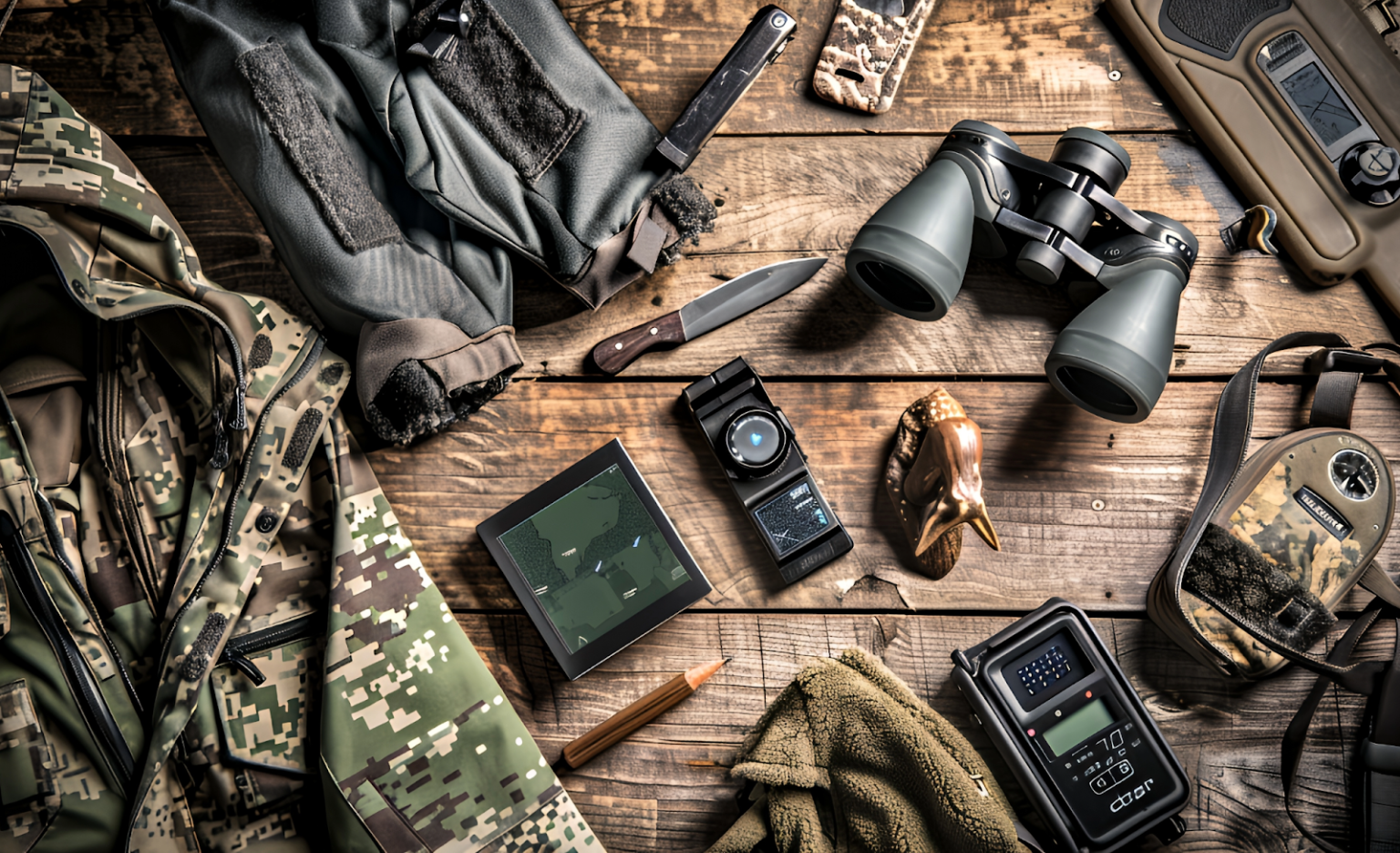
Successful deer hunts are rarely decided by luck alone. More often, they’re shaped by preparation—specifically, by how well your deer hunting equipment matches the land you’re stepping into. From wind-scoured plains to timber-thick hardwoods and steep mountain country, terrain dictates movement, visibility, weather exposure, and shot opportunities. The right gear doesn’t just improve success; it improves safety, ethics, and respect for the animal and the land.
At Global Hunting Solutions, we believe hunters earn their edge through experience, not shortcuts. This guide breaks down the best deer hunting gear by terrain type, focusing on hunter essentials that are proven in the field, adaptable across regions, and aligned with responsible, conservation-minded hunting.
Why Terrain Should Drive Your Gear Choices
Deer behavior is inseparable from terrain. Bedding areas, travel corridors, and feeding zones all change depending on elevation, vegetation, pressure, and climate. Gear that performs well in one environment can become a liability in another.
Choosing the right deer hunting supplies means thinking beyond brand names and into function:
- How far will you hike?
- How variable is the weather?
- Will you be still-hunting, spot-and-stalk, or ambushing?
- What’s the realistic shot distance?
Terrain-specific gear choices reduce fatigue, limit unnecessary movement, and help ensure clean, ethical shots.
Core Deer Hunting Must-Haves
Before breaking down terrain-specific equipment, certain deer hunting must-haves apply everywhere. These items form the foundation of any responsible hunt.



Essential Gear Across All Environments
Essential Gear Across All Environments
- Weapon system you know intimately (rifle, bow, or shotgun, properly sighted)
- Layered clothing system (base, insulation, shell)
- Navigation tools (GPS, map, compass)
- Wind indicator (powder or milkweed)
- Safety gear (blaze orange where required, first aid kit)
- Ethical shot tools (rangefinder, binoculars)
This baseline ensures you’re prepared regardless of where the hunt takes you.
Deer Hunting Equipment for Open Plains and Agricultural Country
Open terrain—prairie, farmland, rolling grasslands—demands patience and precision. Deer rely on sight here more than cover, and long sightlines make sloppy movement obvious.
Best Gear for Open Country Hunts
Optics Matter More Than Anything
High-quality binoculars (8x or 10x) and a reliable rangefinder are non-negotiable. In open terrain, you’ll glass far more than you’ll walk.
Rifles and Caliber Selection
Longer engagement distances favor flat-shooting calibers and stable shooting platforms. Bipods or shooting sticks reduce fatigue during extended glassing sessions.
Clothing Considerations
Wind is a constant companion. Choose wind-blocking outer layers that remain quiet when moving. Neutral patterns that break the human outline matter more than dense camouflage.
Key Deer Hunting Supplies for Open Terrain
- Tripod or shooting sticks
- Wind-resistant shell layers
- Long-range capable optics
Gear for Dense Forests and Hardwood Timber
Eastern hardwoods, boreal forests, and thick timber change the equation completely. Visibility drops. Shot distances shrink. Sound discipline becomes critical.
Best Deer Hunting Gear for Timber Hunts
Compact, Maneuverable Weapons
Shorter barrels and lighter bows excel in tight cover. Quick handling matters more than long-range ballistics.
Footwear Is Critical
In forested terrain, you’ll often cover uneven ground layered with leaves, roots, and moisture. Waterproof boots with aggressive tread reduce noise and fatigue.
Scent and Wind Awareness
Airflow in timber is unpredictable. Use wind indicators constantly and plan entry routes carefully.
Hunter Essentials for Forest Terrain
- Lightweight pack with minimal noise
- Quiet outer layers
- Tree stand safety harnesses (if applicable)
Mountain and High-Elevation Deer Hunting Equipment
Mountain hunts reward effort—and punish poor gear choices. Elevation, weather volatility, and physical demands separate preparation from improvisation.
Mountain-Specific Deer Hunting Must-Haves
Weight Management
Every ounce matters. Multi-use gear replaces redundant items. Lightweight packs, carbon trekking poles, and compact optics reduce fatigue.
Layering Systems Over Heavy Clothing
Temperature swings can exceed 30°F in a single day. Breathable base layers paired with packable insulation keep you mobile.
Navigation and Emergency Readiness
Mountain terrain magnifies small mistakes. Offline GPS mapping, headlamps with extra batteries, and emergency shelters are non-optional.
Essential Mountain Deer Hunting Supplies
- Trekking poles
- Weatherproof packs
- Emergency bivy or shelter
Wetlands, Marshes, and River Bottoms
Lowland terrain introduces water, mud, insects, and thick vegetation—often all at once. Gear failures here are more than inconvenient; they’re dangerous.
Best Deer Hunting Gear for Wet Terrain
Footwear and Gaiters
Insulated waterproof boots or hip waders are often necessary. Gaiters prevent water intrusion and protect lower legs from debris.
Corrosion-Resistant Equipment
Moisture destroys neglected gear. Stainless or coated weapon components and dry bags protect critical equipment.
Visibility and Recovery Tools
Thick cover makes tracking difficult. Flagging tape, GPS waypoints, and headlamps help ensure ethical recovery.
Wetland Hunter Essentials
- Waterproof storage
- Bug protection
- High-visibility recovery tools
Clothing Systems: Adaptability Beats Excess
Across all terrains, experienced hunters prioritize adaptable systems over excessive gear. One well-designed layering setup outperforms multiple single-use garments.
Smart Clothing Strategy
- Base layers: Moisture management
- Mid layers: Insulation without bulk
- Outer shells: Weather and wind protection
Avoid cotton. Favor merino wool or synthetics proven in hunting conditions.
Conservation, Safety, and Ethical Gear Choices
The best deer hunting equipment supports more than success—it supports responsible stewardship. Ethical gear selection prioritizes clean harvests, safe practices, and respect for regulations.
Ethical Considerations
- Use equipment suitable for realistic shot distances
- Maintain gear to avoid wounding loss
- Follow state and regional regulations precisely
Final Thoughts: Gear That Matches the Ground
Terrain doesn’t care about brand loyalty or trends. It rewards preparation, humility, and experience. Choosing the best deer hunting gear means understanding where you’re hunting, how deer use that land, and how your equipment supports safe, ethical decisions in the field.
Whether you’re glassing open plains, slipping through hardwoods, or climbing into high country, the right deer hunting supplies let you hunt with confidence—and come home with stories worth telling years later.
At Global Hunting Solutions, we believe the best hunts aren’t rushed or improvised. They’re built—piece by piece—on respect for the land, the animal, and the people who share the experience.