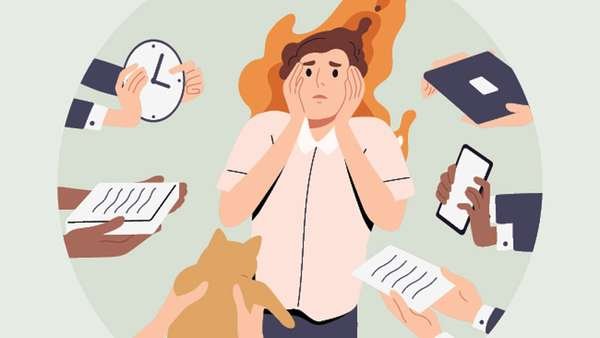
Burnout is something that can happen when we face too much stress for too long without taking a proper break. It makes us feel tired, weak, and sometimes even angry or sad. It’s not just about being physically exhausted but also feeling emotionally drained. Often, it happens because of work pressure, school stress, or just life in general. However, recognizing burnout early is key to recovering from it. When we ignore it, things can get worse and harder to handle. Burnout doesn’t just go away on its own; it needs attention and care. Some signs include feeling like you can’t do anything, not enjoying things you used to, and even struggling to focus. These are clear signs that our mind and body need rest. But the good news is, burnout is not something that can’t be fixed. With the right approach, we can recover and start feeling better. Many people have experienced burnout and found ways to bounce back by using specific strategies. In this article, we will explore different burnout recovery strategies that anyone can try to start feeling better again. It is important to remember that recovery isn’t instant—it takes time and patience. With small steps and support, we can get back to feeling like ourselves again.
Recognizing the Signs of Burnout
To fix burnout, we first need to notice the signs. It’s easy to ignore our feelings when we’re busy, but paying attention to our body and mind is important. If we feel tired all the time, have trouble focusing, or are becoming more irritable, it could be a sign that we are dealing with burnout. Another sign is when we start losing interest in things we once enjoyed, like hobbies or activities with friends. People who are burned out often don’t find happiness in things that used to make them smile. Burnout can also make us feel overwhelmed by simple tasks. Small problems might feel much bigger, and we might not have the energy to deal with them. It’s also common to feel like you’re always on edge and unable to relax. Physical signs, like headaches, muscle pain, or even sleeping problems, can also point to burnout. It’s not just about feeling tired; it’s about being constantly drained, even when you get rest. Mental burnout can make it hard to get excited about work or school, and our performance may start to drop. Identifying burnout early helps us take action and start feeling better faster. Don’t wait for things to get worse. Once we notice these signs, we can begin the journey of recovery.
Strategy 1: Prioritize Self-Care
One of the most powerful ways to recover from burnout is by focusing on self-care. Taking time to care for our bodies and minds can be a game-changer. Here are some easy steps we can follow:
- Exercise Regularly– Physical activity is known to boost mood and energy levels. A short walk, a bike ride, or any movement can make us feel better.
- Sleep Well– Rest is essential for recovery. We should aim for at least 7 to 8 hours of sleep each night to allow our bodies to heal and recharge.
- Eat Healthily– Good nutrition can help us feel more energized and focused. Eating fruits, vegetables, and proteins can provide the energy we need.
- Practice Relaxation– Taking time to relax is just as important as physical care. Whether it’s through meditation, breathing exercises, or just listening to calming music, relaxation helps our minds recover.
- Hydrate– Drinking enough water is often overlooked, but it’s very important for keeping our bodies and minds in good shape. When we take these small actions daily, we give ourselves the chance to heal. Not every day needs to be perfect, but focusing on making ourselves feel good will lead to long-term improvements. As we take care of ourselves, we build a solid foundation for recovery. It’s important to remember that self-care isn’t selfish; it’s necessary for our overall well-being. When we feel better physically, we also start to feel better emotionally. This positive cycle helps in recovering from burnout faster and more effectively.
Strategy 2: Set Boundaries
One of the best ways to prevent and recover from burnout is by setting boundaries. Boundaries help us manage our time and energy so that we don’t take on too much. Sometimes, we feel pressured to say yes to everything, whether it’s at work, school, or in our personal lives. But saying yes all the time can lead to exhaustion. Learning to say no or simply asking for help when needed is a skill that can reduce stress. By creating limits on how much work or responsibility we take on, we protect ourselves from feeling overwhelmed. Setting boundaries also means giving ourselves permission to take breaks without guilt. It’s okay to stop working or to step back from tasks for a while. Boundaries are also important when it comes to relationships. Sometimes, we need to communicate clearly with others about our needs, like needing time alone or asking for less stress. It’s essential to understand that setting boundaries is a sign of self-respect. It helps us maintain our mental health and makes sure we don’t overexert ourselves. Over time, practicing this strategy can make us feel more in control and less drained.
Strategy 3: Manage Stress Effectively
Managing stress is a major factor in recovering from burnout. When we manage our stress, we are less likely to burn out in the first place. Here are a few simple ways to reduce stress:
- Practice Deep Breathing– Taking a few deep breaths can help calm our minds and relax our bodies.
- Try Meditation– A few minutes of quiet meditation can help reset our thoughts and relieve pressure.
- Take Breaks– Sometimes, the best way to manage stress is to simply take a short break from what we’re doing.
- Exercise Regularly– Moving our bodies, even in small ways, can lower stress levels.
- Talk to Someone– Sharing our thoughts with a friend or family member can relieve emotional pressure. When we take steps to manage stress, it prevents it from building up and causing burnout. It’s important to find what works best for us and stick with it. We should try different methods until we find what helps us the most. Regularly practicing stress management will make it easier to deal with challenges when they arise. It’s not about avoiding stress but learning to handle it in healthy ways.
Strategy 4: Reach Out for Support
Another key strategy for burnout recovery is asking for support. It’s important to know that we don’t have to deal with burnout alone. Having someone to talk to can be a huge relief. Here are some ways to find support:
- Talk to Friends or Family– Sometimes, just talking about what’s going on can help us feel better. Our loved ones can offer advice, empathy, and encouragement.
- Seek Professional Help– If burnout feels overwhelming, talking to a therapist or counselor can give us the tools to cope.
- Join Support Groups– Being with others who understand what we’re going through can make us feel less alone.
- Ask for Help at Work or School– Sometimes, letting our boss or teacher know we’re struggling can lead to needed changes or adjustments. Talking about our feelings and sharing what we’re experiencing helps lighten the emotional load. Support can also offer fresh perspectives and suggestions we may not have thought of. It’s easy to keep things inside, but doing so can make things worse. By reaching out for help, we begin the recovery process and find comfort in knowing that others care.
Strategy 5: Make Time for Hobbies and Interests
A great way to recover from burnout is by focusing on things we enjoy. Hobbies are the perfect escape from the pressures of everyday life. Whether it’s reading a book, painting, or playing a sport, spending time on activities we love can bring us joy. These hobbies help shift our focus away from stress and back to things that make us feel happy. Making time for hobbies isn’t just about having fun; it’s about giving our minds a break. When we get lost in something enjoyable, we can forget about our worries for a while. This relaxation helps recharge our mental energy and prevents burnout from taking over. We should schedule time for our hobbies just like any other important task. When we dedicate time to do what we love, we add a sense of balance to our lives. The more we practice this strategy, the easier it becomes to manage stress and avoid burnout in the future.
Strategy 6: Develop Healthy Work Habits
Healthy work habits are essential for preventing burnout and promoting recovery. Establishing a good routine can make a huge difference. First, taking breaks throughout the day is crucial. When we work non-stop, we quickly drain our energy, leading to burnout. By scheduling regular breaks, we allow ourselves time to recharge. Another important habit is staying organized. Keeping track of tasks and deadlines can reduce anxiety and help us manage work better. Also, focusing on one task at a time, instead of multitasking, makes work more manageable and less stressful. Taking time to relax after work hours is equally important. Whether it’s reading, spending time with family, or just resting, we need to unwind so that we’re not constantly in work mode. Lastly, setting realistic goals and learning to delegate tasks when needed can keep us from overworking ourselves. These habits not only help prevent burnout but also allow us to recover when we’re feeling overwhelmed.



Embracing Burnout Recovery
To wrap it up, recovering from burnout requires effort, patience, and consistency. By prioritizing self-care, managing stress, setting boundaries, and reaching out for support, we can start to heal and regain balance in our lives. Remember, it’s okay to ask for help, and it’s okay to take time for yourself. Burnout recovery doesn’t happen overnight, but with the right strategies, it’s completely possible. Take it one step at a time, and you’ll be back to feeling like yourself soon enough.