In an age where screens dominate children’s attention and sedentary activities have become the norm, finding effective ways to get kids moving is more critical than ever. Physical activity during childhood lays the foundation for lifelong health, influencing everything from bone density to mental well-being. Yet many parents struggle to find activities that genuinely excite their children while delivering real developmental benefits.
Balance bikes have emerged as an exceptional solution to this challenge, combining physical exercise with pure enjoyment. These pedal-free bicycles allow young children to develop essential motor skills naturally while building the confidence needed for future cycling adventures. Unlike traditional training wheels that can create dependency, balance bikes teach kids the fundamental skill of balancing from the start. They transform physical activity into an adventure rather than a chore, making it easier for parents to encourage outdoor play. This article explores why balance bikes represent one of the best investments you can make in your child’s physical development and overall well-being.
The Importance of Physical Activity for Kids
Physical activity during childhood serves as a cornerstone for lifelong health, yet modern children face unprecedented challenges in maintaining active lifestyles. The World Health Organization recommends that children aged 3-17 engage in at least 60 minutes of moderate to vigorous physical activity daily, but studies show that fewer than one in four children meet this guideline. This alarming trend has significant consequences that extend far beyond childhood.
Regular physical activity strengthens growing bones and muscles, reducing the risk of osteoporosis later in life. It improves cardiovascular fitness, helping establish healthy heart function patterns that persist into adulthood. Beyond the physical benefits, movement plays a crucial role in brain development. Active children demonstrate improved concentration, better memory retention, and enhanced problem-solving abilities compared to their sedentary peers. Exercise also triggers the release of endorphins, naturally reducing anxiety and depression while improving overall mood and self-esteem.
The challenge for today’s parents lies not in understanding these benefits, but in finding activities that children genuinely want to do. Traditional sports often require coordination skills that young children haven’t yet developed, leading to frustration rather than enjoyment. Screen-based entertainment offers instant gratification, making outdoor play seem less appealing by comparison. This is where balance bikes excel—they meet children at their developmental level, offering immediate success and tangible progress that keeps them engaged and eager to continue.
Introducing Balance Bikes
Balance bikes represent a revolutionary approach to teaching children how to ride, stripping cycling down to its most fundamental element: balance. Unlike traditional bicycles with training wheels or tricycles, these pedal-free bikes allow children as young as 18 months to begin developing the core skills they’ll need for a lifetime of cycling. The concept is elegantly simple—children sit on the bike, place their feet on the ground, and propel themselves forward by walking or running, gradually lifting their feet as their confidence grows.
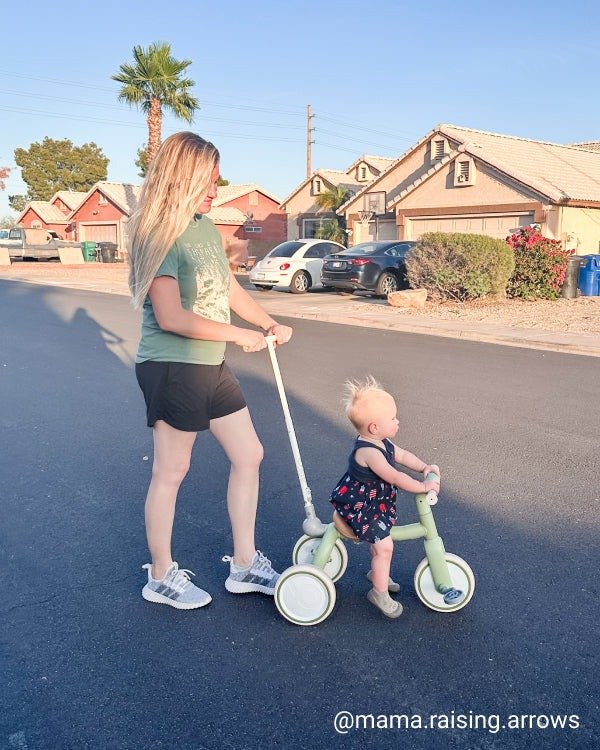
The design philosophy behind balance bikes addresses a critical flaw in traditional training methods. Training wheels teach children to rely on external support, creating a false sense of security that must later be unlearned. When those training wheels eventually come off, children face the daunting task of learning balance from scratch, often resulting in tears and frustration. Balance bikes eliminate this problematic transition entirely by teaching balance first, making the eventual addition of pedals feel like a natural progression rather than a frightening leap.


Most balance bikes feature lightweight frames constructed from materials like aluminum, wood, or high-grade plastic, ensuring that even toddlers can maneuver them independently. The absence of pedals, chains, and gears not only reduces weight but also eliminates potential pinch points and mechanical complications. This simplicity means less maintenance for parents and fewer distractions for children, who can focus entirely on the joy of movement and the thrill of gradually increasing their speed and control.
The learning curve with balance bikes is remarkably gentle. Children instinctively understand the concept of sitting and walking, so there’s no complex instruction required. Within minutes, most children are scooting along confidently. Within weeks, many are lifting their feet and gliding for extended periods. This rapid progression provides constant positive reinforcement, building not just physical skills but also a growth mindset—the understanding that practice leads to improvement. When children eventually transition to pedal bikes, most master the change within a single session, having already conquered the most challenging aspect of cycling.
Design and Features
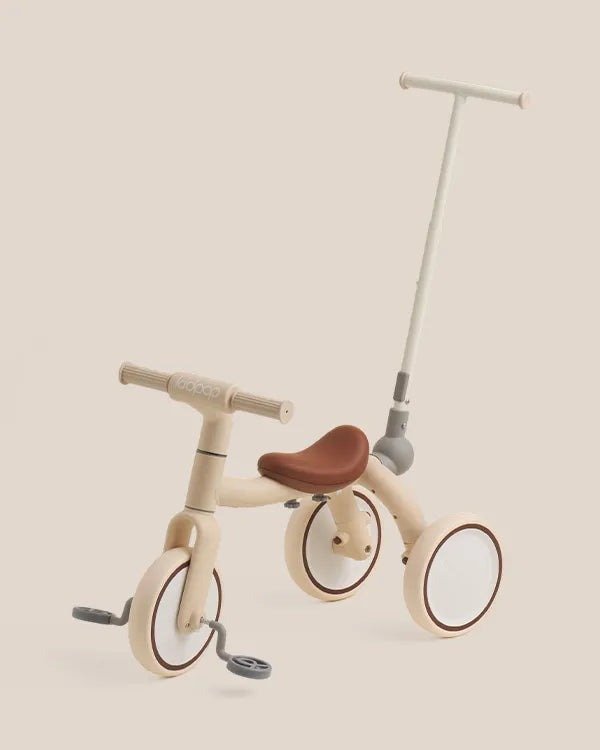
Modern balance bikes showcase thoughtful design elements that extend far beyond basic functionality. Many manufacturers incorporate playful aesthetics that capture children’s imaginations, with animal-inspired designs being particularly popular. From bikes shaped like dinosaurs and unicorns to those featuring vibrant wildlife graphics, these creative touches transform a piece of exercise equipment into a beloved toy. Brands like Kidpop have embraced this approach, offering designs that appeal to children’s sense of adventure and imagination. This emotional connection matters tremendously—children are far more likely to request outdoor time when they’re excited about their ride.
Adjustability stands as one of the most critical features in a quality balance bike for kids. Growing children need equipment that can adapt to their changing proportions, and the best balance bikes offer tool-free seat height adjustments spanning several inches. This ensures that children can always place their feet flat on the ground—essential for confidence and safety—while maximizing the bike’s useful lifespan. Some models also feature adjustable handlebars, accommodating children’s arm length as they grow and ensuring comfortable steering control.
Safety features receive paramount attention in well-designed balance bikes. Puncture-proof foam tires eliminate the possibility of flats while providing adequate traction on various surfaces, though air-filled tires remain popular for their superior shock absorption on rough terrain. Steering limiters prevent the handlebars from spinning completely around, protecting small fingers and preventing awkward falls. Padded handlebar grips and rounded edges minimize injury risks during inevitable tumbles, while low step-through frames make mounting and dismounting effortless even for the smallest riders.
Promoting Child Confidence
Confidence forms the bedrock of a child’s willingness to try new activities and persevere through challenges. Balance bikes excel at building this crucial trait because they eliminate the fear of falling that often accompanies traditional cycling. With feet always within reach of the ground, children maintain complete control over their speed and stability. This security allows them to push their boundaries incrementally, testing slightly faster speeds or longer gliding distances without the paralyzing anxiety that comes from feeling out of control.
The progression children experience on balance bikes creates a powerful feedback loop of success. Unlike activities where improvement happens gradually over months, balance bike skills develop rapidly and visibly. A child who starts by tentatively walking the bike forward might be gliding confidently within days. This tangible progress reinforces the connection between effort and achievement, teaching children that persistence pays off. Parents often report that confidence gained through balance biking transfers to other areas of life, with children showing increased willingness to attempt challenging tasks at school or in social situations.
For children who struggle with coordination or feel self-conscious about their physical abilities, balance bikes offer a particularly valuable opportunity. There’s no complex technique to master, no embarrassing wobbling while trying to maintain balance with training wheels, and no public failures. Children can practice privately in their backyard or driveway until they feel ready to venture further. The bike becomes a trusted companion rather than a source of anxiety, and outdoor activity transforms from something to be avoided into an adventure to be sought. This shift in mindset represents perhaps the most valuable gift a balance bike can provide—the understanding that physical activity can be joyful rather than stressful.
Tips for Parents
Successfully integrating a balance bike into your child’s life requires more than simply making the purchase. The right approach can mean the difference between a bike that collects dust in the garage and one that becomes a gateway to years of active outdoor play. Understanding how to select, introduce, and encourage balance bike use will maximize both the developmental benefits and your child’s enjoyment.
Choosing the right size represents the single most important decision parents will make. A properly fitted balance bike allows your child to sit comfortably on the seat with both feet flat on the ground and knees slightly bent. This positioning provides the security needed for confidence while allowing efficient propulsion. Measure your child’s inseam—the distance from the ground to their crotch while standing—and select a bike whose minimum seat height is at least one inch lower than this measurement. Avoid the temptation to buy a larger bike for your child to “grow into,” as an oversized bike will frustrate rather than empower them. Most children between 18 months and 5 years will find their perfect fit within the standard balance bike range, though checking specific manufacturer sizing charts ensures the best match.
The initial practice sessions set the tone for your child’s entire balance bike experience. Begin in a controlled, flat environment like your driveway, a quiet sidewalk, or a grassy park area. Grass provides a softer landing surface for early attempts, though it requires more effort to push through, so transitioning to pavement once basic confidence develops often accelerates progress. Allow your child to explore the bike at their own pace without pressure or formal instruction. Most children intuitively understand how to walk while sitting, and this natural discovery process builds ownership of their learning. Resist the urge to push them or hold the bike—your role is simply to provide encouragement and ensure the environment remains safe. Keep these early sessions short, around 15-20 minutes, ending while enthusiasm remains high rather than waiting until frustration or fatigue sets in.
Making balance bike outings genuinely fun ensures they become a regular part of your family routine rather than a sporadic activity. Transform rides into adventures by choosing routes with visual interest—parks with ducks to watch, neighborhoods with interesting architecture, or paths that lead to playgrounds. Create simple challenges that match your child’s skill level, such as gliding to a specific tree or navigating around gentle curves. Celebrate small victories enthusiastically, whether it’s gliding for three seconds or successfully turning around a cone. Consider documenting progress with photos or videos; children love seeing how far they’ve come, and these records provide powerful motivation during plateaus.
Social interaction amplifies the appeal of balance biking significantly. Children naturally want to emulate their peers, and seeing other kids confidently riding provides both inspiration and friendly competition. Seek out local parent groups that organize balance bike playdates, or simply visit popular parks during busy times when other young cyclists are likely to be present. Some communities offer structured balance bike classes or races designed for preschoolers, providing goal-oriented activities that build skills while fostering camaraderie. Even arranging regular rides with just one or two friends can transform balance biking from a solitary activity into a cherished social ritual. When children associate their bike with friendship and shared adventures, they’ll naturally request more riding time, effortlessly meeting their daily physical activity needs while building social skills and lasting memories.
Building a Foundation for Active Living
Balance bikes represent far more than simple toys—they are powerful tools for fostering physical health, building confidence, and establishing positive relationships with outdoor activity during critical developmental years. By teaching balance through natural, intuitive movement, these bikes eliminate the frustration often associated with learning to ride while delivering substantial exercise benefits. Children who master balance bikes don’t just learn to ride; they discover that physical challenges can be conquered through practice, that outdoor exploration brings genuine joy, and that their bodies are capable of remarkable things. For parents seeking effective ways to combat sedentary habits and screen dependence, balance bikes offer an engaging solution that children actively want to pursue. The investment extends beyond the bike itself—it plants seeds for a lifetime of active living, outdoor appreciation, and the confidence to embrace new physical challenges. As your child glides forward with feet lifted and a smile spreading across their face, you’re witnessing more than a childhood milestone; you’re seeing the foundation being laid for a healthier, more confident future.