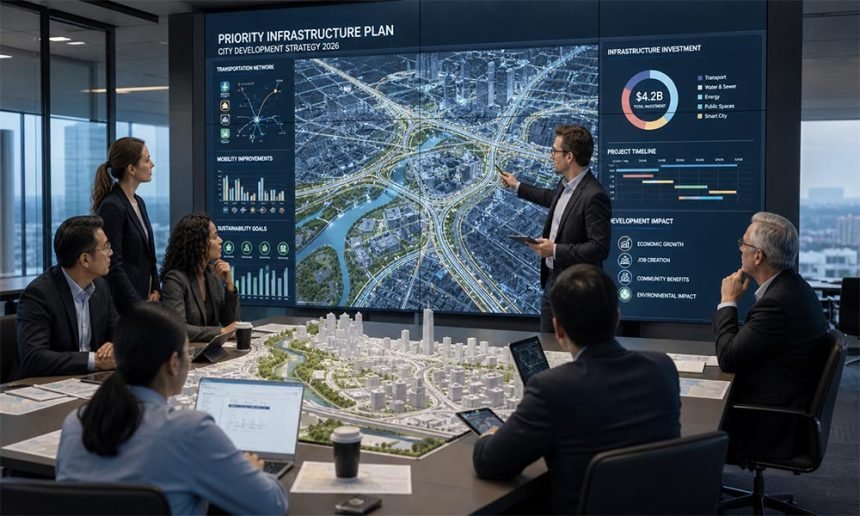
Introduction to Priority Infrastructure Plan
Urban landscapes are evolving faster than ever, and at the heart of this transformation lies a concept that’s gaining momentum: the Priority Infrastructure Plan (PIP). As cities grapple with rapid population growth, climate change, and increased mobility demands, strategic planning has never been more crucial. A well-crafted PIP not only addresses immediate infrastructure needs but also lays the groundwork for sustainable development in our bustling metropolises.
- Introduction to Priority Infrastructure Plan
- Key Components of a PIP
- Benefits of Implementing a PIP in Urban Development
- Case Studies: Successful Implementation of PIPs in Different Cities
- Challenges and Criticisms of Priority Infrastructure Plan
- The Future of Urban Development with PIPs in 2026 and Beyond
- Conclusion: The Importance of Sustainable and Efficient Infrastructure Planning for Modern Cities
Imagine living in a city where public transport is efficient, green spaces are abundant, and smart technology enhances everyday life. This vision is achievable through effective implementation of priority infrastructure plans. By prioritizing key projects that align with societal goals and environmental sustainability, urban areas can thrive while meeting the challenges of tomorrow.
In this article, we will explore what makes up a PIP, how it benefits urban environments, real-world success stories from various cities around the globe—and even some hurdles they face along the way. Buckle up as we navigate through 2026’s promising future of urban development shaped by these essential frameworks.
Key Components of a PIP
A Priority Infrastructure Plan (PIP) consists of several key components that work in harmony to shape urban landscapes. At the heart is a comprehensive needs assessment, identifying critical infrastructure gaps and future demands.
Next comes stakeholder engagement, where collaboration between government bodies, businesses, and community members ensures diverse input. This inclusivity fosters trust and transparency throughout the planning process.
Funding strategies are another vital element. A PIP outlines financing options like public-private partnerships or grants to make projects financially viable.
Implementation timelines provide clarity on project phases while performance metrics track progress. These benchmarks help assess whether objectives are being met efficiently.
An adaptive management framework allows for adjustments based on unforeseen challenges or changing priorities. This flexibility is crucial in today’s rapidly evolving urban environments.



Benefits of Implementing a PIP in Urban Development
Implementing a priority infrastructure plan (PIP) brings numerous advantages to urban development. One significant benefit is enhanced efficiency in resource allocation. By prioritizing projects, cities can focus their efforts and budget on the most critical areas.
Sustainability also plays a crucial role. A well-structured PIP encourages eco-friendly practices, reducing carbon footprints while promoting green spaces and renewable energy sources.
Moreover, economic growth often follows a successful PIP implementation. Improved infrastructure attracts businesses, leading to job creation and revitalization of neighborhoods.
Community engagement is another vital aspect. When residents see tangible improvements from their input in planning, it fosters trust between citizens and local authorities.
Resilience against natural disasters increases with a solid PIP framework. Prioritizing infrastructure helps build systems that withstand environmental challenges more effectively than ad-hoc solutions would allow.
Case Studies: Successful Implementation of PIPs in Different Cities
Cities worldwide have embraced the priority infrastructure plan, and the results are impressive.
Take Barcelona, for example. The city’s PIP focused on enhancing public transportation and green spaces. As a result, traffic congestion has decreased significantly while air quality improved.
Another noteworthy case is Singapore. Their approach integrated smart technology with urban planning, optimizing resource distribution in real-time. This led to more efficient energy use and reduced waste production.
In Canada, Toronto implemented a PIP aimed at affordable housing alongside transit improvements. By aligning these two aspects of development, they created vibrant communities that foster inclusivity and accessibility.
Melbourne’s strategy included extensive pedestrian pathways and bicycle lanes as part of their PIP initiative. Not only did this promote healthier lifestyles but it also encouraged local businesses by increasing foot traffic.
Each city showcases how tailored priority infrastructure plans can drive transformative changes in urban environments.
Challenges and Criticisms of Priority Infrastructure Plan
The Priority Infrastructure Plan (PIP) is not without its challenges. One significant concern is the funding and resource allocation process. Limited budgets often lead to prioritizing certain projects over others, which can create disparities in urban areas.
Public resistance also poses a hurdle. Citizens may oppose specific developments due to fears of gentrification or disruption in community dynamics. Engaging with residents early on becomes crucial for building trust and support.
Furthermore, bureaucratic red tape can slow down project implementation. Lengthy approval processes discourage innovative solutions and delay essential improvements.
Environmental considerations must not be overlooked. Critics argue that some PIPs fail to adequately address sustainability issues, leading to potential long-term ecological impacts that affect future generations. Balancing immediate needs with environmental stewardship remains an ongoing challenge for urban planners.
The Future of Urban Development with PIPs in 2026 and Beyond
As cities evolve, the priority infrastructure plan (PIP) will be central to shaping their future. By 2026, urban landscapes will see enhanced connectivity and streamlined services. Smart technology integration will redefine how residents interact with their environment.
Sustainable practices are becoming a norm rather than an exception. Green spaces, energy-efficient buildings, and eco-friendly transport options will dominate city planning discussions. This shift not only addresses climate concerns but enhances overall quality of life for citizens.
Collaboration among stakeholders—government bodies, private firms, and communities—will pave the way for innovative solutions tailored to local needs. The emphasis on inclusivity ensures that every voice is heard in the development process.
With a focus on resilience against challenges like climate change or population growth, PIPs empower cities to adapt proactively. This forward-thinking approach fosters vibrant communities ready to embrace opportunities while navigating uncertainties ahead.
Conclusion: The Importance of Sustainable and Efficient Infrastructure Planning for Modern Cities
Sustainable and efficient infrastructure planning is becoming increasingly vital for modern cities. As urban populations grow, the demand for smart solutions rises. A priority infrastructure plan (PIP) offers a framework to meet these challenges head-on.
By focusing on sustainability, PIPs encourage green building practices and renewable energy use. This not only helps reduce carbon footprints but also fosters healthier living environments for residents. Efficient infrastructure minimizes waste and optimizes resource use, making cities more resilient in the face of climate change.
As we look toward 2026 and beyond, it’s clear that robust PIPs are indispensable tools for urban planners. They facilitate collaboration among stakeholders while ensuring that developments align with community needs. The ripple effect can be profound—enhanced quality of life, improved economic stability, and reduced environmental impact.
Cities embracing priority infrastructure plans position themselves as leaders in innovation and livability. The future belongs to those who prioritize thoughtful development that harmonizes growth with ecological responsibility. Embracing this approach will not only shape vibrant urban landscapes but also secure a sustainable legacy for generations ahead.