Introduction to O2 Sensor Socket
When it comes to vehicle maintenance, few components are as crucial yet often overlooked as the oxygen (O2) sensor. This small but mighty part plays a vital role in ensuring your engine runs efficiently and cleanly. But what happens when it’s time for a replacement? Enter the O2 sensor socket—a specialized tool designed to make this task not only simpler but also more effective. Whether you’re an experienced mechanic or a DIY enthusiast, understanding everything about O2 sensor sockets can save you time, money, and frustration on your next repair job. Let’s dive into the world of O2 sensor sockets and uncover why they deserve a place in every toolbox!
- Introduction to O2 Sensor Socket
- Types of O2 Sensor Sockets
- How to Choose the Right O2 Sensor Socket for Your Vehicle
- Benefits of Using an O2 Sensor Socket
- Step-by-Step Guide on How to Use an O2 Sensor Socket
- Tips for Maintaining and Cleaning Your O2 Sensor Socket
- Common Mistakes to Avoid When Using an O2 Sensor Socket
- Alternatives to Using an O2 Sensor Socket
- Conclusion
- FAQs
Types of O2 Sensor Sockets
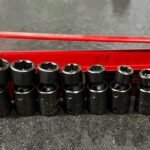
O2 sensor sockets come in various types, each designed for specific applications. The most common type is the 22mm socket, which fits a majority of vehicles on the road today. This size is popular due to its versatility and ease of use.
Another option is the deep socket variety. These are ideal for hard-to-reach sensors located in tight spaces. Their extended length allows mechanics to access sensors without damaging surrounding components.
Some O2 sensor sockets feature an integrated swivel head. This design provides greater maneuverability when working at awkward angles under the vehicle.
You’ll find universal O2 sensor sockets that accommodate multiple sizes and styles of sensors. They offer flexibility for those who work on different makes and models regularly.
Choosing the right type ensures efficiency and reduces frustration during installation or replacement tasks.
How to Choose the Right O2 Sensor Socket for Your Vehicle
Choosing the right O2 sensor socket is critical for effective installation and removal. Start by identifying your vehicle’s make and model. Different vehicles often require specific sizes or designs.
Next, consider the type of O2 sensors you’re working with—wideband or narrowband. Some sockets are designed to accommodate both types, while others may not fit all configurations.



Material matters too; sockets made from durable steel can last longer under repeated use compared to cheaper alternatives. Look for options that offer a good grip without damaging the sensor itself.
Additionally, check if the socket has a built-in extension or swivel feature. This can make accessing hard-to-reach sensors much easier.
Read customer reviews before making your purchase. Feedback from other users can provide valuable insights into compatibility and durability.
Benefits of Using an O2 Sensor Socket
Using an O2 sensor socket offers several advantages for vehicle maintenance. First and foremost, it simplifies the process of replacing oxygen sensors. These sensors can be tricky to access, but a well-designed socket makes removal and installation easier.
Another benefit is that it reduces the risk of damaging the sensor or surrounding components. With a proper fit, you minimize slippage during use, ensuring everything remains intact.
Time efficiency is also key. An O2 sensor socket allows for quicker repairs, getting your car back on the road faster than traditional methods would allow.
Additionally, many sockets are designed with features like an extended reach or built-in ratchet mechanisms. This versatility provides better leverage in tight spaces and enhances overall user experience.
Investing in a quality O2 sensor socket can lead to long-term savings by preventing premature wear on parts due to improper handling.
Step-by-Step Guide on How to Use an O2 Sensor Socket
To start using an O2 sensor socket, first ensure your vehicle is parked on a level surface. Turn off the engine and let it cool down to avoid burns.
Next, locate the oxygen sensor under your car’s hood or beneath the vehicle itself. Use penetrating oil if it’s hard to reach or rusted in place. This will make removal easier.
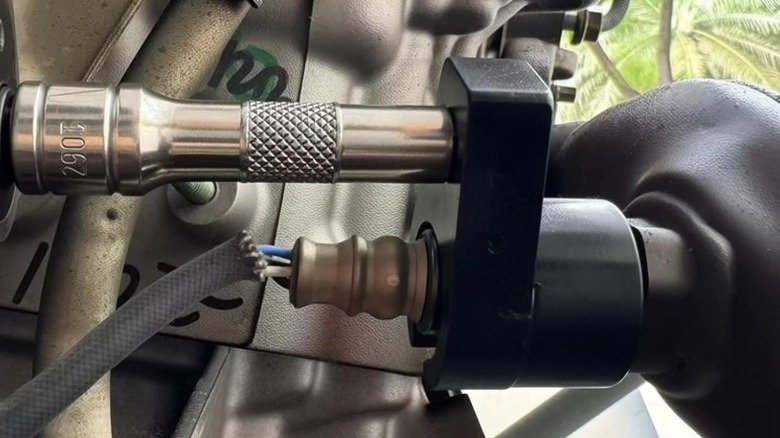
Once you have access, fit the O2 sensor socket over the sensor’s body. Ensure it grips securely without slipping. A snug fit helps prevent damage during removal.
With a ratchet wrench attached, turn counterclockwise to loosen and remove the old sensor carefully. Be mindful of any wiring that might be connected nearby.
After detaching it completely, install your new O2 sensor by reversing these steps—hand-tightening first before using the socket for a secure fit.
Tips for Maintaining and Cleaning Your O2 Sensor Socket
Keeping your O2 sensor socket in top shape is essential for efficient repairs. Start by wiping it down with a clean cloth after each use. This removes grease and dirt that can build up over time.
Inspect the socket regularly for any signs of wear or damage. A cracked or worn-out tool can lead to poor performance and may cause additional problems during installation.
For deeper cleaning, soak the socket in a mild detergent solution. Use a soft brush to scrub away stubborn grime but avoid abrasive materials that might scratch its surface.
Always store your O2 sensor socket in a dry place when not in use. Moisture can promote rusting, which affects functionality.
Keep the entire toolset organized to avoid losing parts or damaging them when moving items around; this will help ensure you have everything needed when working on your vehicle again.
Common Mistakes to Avoid When Using an O2 Sensor Socket
Using an O2 sensor socket can simplify your repair tasks, but mistakes can lead to complications. One common error is using the wrong size socket. Always ensure you have the correct fit to prevent rounding off the sensor.
Another mistake involves applying excessive force. Tightening too much can damage threads or even break the sensor, leading to costly repairs later on.
Failing to disconnect battery terminals before starting work is also a misstep many make. This oversight could lead to electrical issues while working with sensitive components.
Neglecting proper cleaning of both the socket and surrounding areas invites dirt into critical systems. A clean workspace prevents contamination during installation.
Forgetfulness about torque specifications often leads to inconsistent performance from your new O2 sensor. Always check manufacturer guidelines for optimal results.
Alternatives to Using an O2 Sensor Socket
If you find yourself without an O2 sensor socket, there are other tools that can help. A standard ratchet and a set of open-end wrenches might do the trick for some vehicles. While they may not fit perfectly, with a little finesse, you can often get the job done.
Pliers offer another alternative. Needle-nose pliers or adjustable ones can grip the sensor tightly enough to turn it free. However, be cautious; using these improperly could damage the sensor or surrounding components.
Some aftermarket kits come with specialized adapters designed to work in tight spaces where traditional tools can’t reach. These solutions provide versatility when you’re in a bind.
If feasible, consider taking your vehicle to a professional mechanic who has all necessary equipment on hand. They will ensure that everything is handled correctly without risking damage to your vehicle’s systems.
Conclusion
An O2 sensor socket is an essential tool for anyone dealing with vehicle maintenance. It simplifies the process of removing and installing oxygen sensors, making your job easier and more efficient.
Investing in a quality O2 sensor socket can save you time and frustration. With the right tools, even complex tasks become manageable.
Understanding how to use this tool properly enhances your skills as a DIY mechanic or professional technician. The knowledge gained will be invaluable for future projects.
Remember that proper care and maintenance of your tools are crucial for longevity. Regularly cleaning your O2 sensor socket ensures it remains in top condition.
Whether you’re working on older models or newer vehicles, having the right equipment makes all the difference. Embrace these tips, and you’ll find success in any automotive endeavor ahead!
FAQs
When it comes to O2 sensor sockets, many questions often arise. Here are some frequently asked questions that can provide further clarity.
What is an O2 sensor socket?
An O2 sensor socket is a specialized tool designed for removing and installing oxygen sensors in vehicles. It features a deep design that allows access to sensors located in tight spaces.
Do I really need an O2 sensor socket?
While you can use other tools, like wrenches or pliers, they may not fit properly and could damage the sensor or surrounding components. An O2 sensor socket ensures proper engagement and reduces the risk of stripping.
How do I know what size O2 sensor socket to get?
Oxygen sensors typically come in different sizes depending on your vehicle make and model. Check your owner’s manual or consult with a mechanic for specific recommendations.
Can I use an adjustable wrench instead of an O2 sensor socket?
While possible, using an adjustable wrench might not provide the best grip. This increases the chance of damaging the bolt head or causing misalignment during installation.
Are there any brands recommended for quality O2 sensor sockets?
Look for reputable brands known for automotive tools such as Lisle, GearWrench, and Sunex. Reading reviews can also help find reliable options within your budget.
How often should I replace my oxygen sensors?
It varies by vehicle but generally every 60,000 to 100,000 miles unless otherwise indicated by diagnostic codes or performance issues.
These insights will help ensure you’re well-equipped when dealing with oxygen sensors. Proper understanding leads to better maintenance decisions!