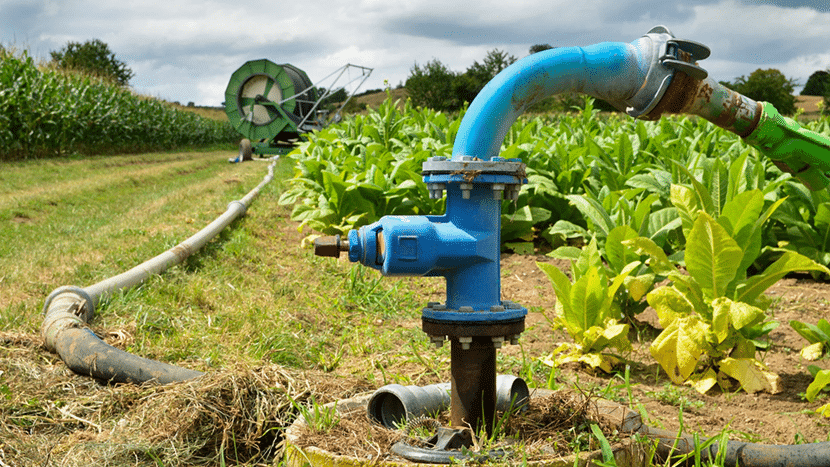
When the sun shines hot and farmland dries out, farmers know one thing for sure: water is the lifeblood of crops. But moving water to every row and plant is rarely easy. Long dry periods, rough land, and distant water supplies only add to the challenge. That is exactly why agricultural irrigation pumps are so important. Their job is straightforward, but their role is irreplaceable.
As farming becomes more efficient and demands change in 2026, understanding these tools has become increasingly important. To get into the details, this guide will explain what agricultural irrigation pumps are, how they operate, which styles suit different farms, and how to choose the best equipment for your needs.
What Are Agricultural Irrigation Pumps?
Agricultural irrigation pumps transfer water from sources like wells, rivers, ponds or tanks directly to the fields. They change mechanical power into steady water flow. Without a pump, farmers have to move water by hand or depend only on rain. This is slow, hard work and puts crop yields at risk.
Irrigation pumps keep water flowing reliably, so crops get enough water on time. Their main job is to pump water from low-lying areas, transport it through pipelines, and maintain the correct pressure for sprinklers or drip irrigation systems. Newer models also save energy and reduce water waste.
For farms in 2026, this is extremely important. With climate change, using water wisely is no longer a choice, but a necessity.
Why focus on agricultural irrigation pumps in 2026?



Agriculture is rapidly changing. Climate change has brought about longer dry seasons. The farm has become bigger, but the labor force has become more scarce. In addition, water usage regulations have become stricter. Wasting water means fines or crop deaths. Therefore, choosing the appropriate agricultural irrigation pump is not a small choice. It will affect costs, time, and yield.
New technologies also help. Solar powered pumps reduce fuel costs. Smart sensors connect pumps with weather applications, so they only run when needed. In 2026, these tools will be common and not uncommon. A sturdy pump combined with intelligent use is equivalent to reducing pressure and gaining more revenue.
Types of Agricultural Irrigation Pumps
- Well Pumps
Well pumps draw water from underground wells. They are built to pull water from depths where surface pumps cannot reach. Most well pumps are either submersible or jet types. In places with deep aquifers, well pumps give steady supply. They cut the need for long water hauls. For farms far from rivers or ponds, this type of agricultural irrigation pumps saves time and labor.
- Horizontal Centrifugal Pump
Horizontal centrifugal pumps are widely used in farms. Their engine and pump housings are placed horizontally. They generate flow and pressure by rotating impellers, and then transport water. These pumps are suitable for working with clean water and appropriate lift height. They are easy to install and maintain.
Due to their simple design, many farmers use them in open canals, water tanks, or shallow wells. As part of agricultural irrigation pumps, they provide an economically efficient solution for medium-sized operations.
- Diesel Engine Pumps
Diesel engine pumps are powered by diesel fuel. They are powerful and easy to move, making them perfect for remote fields with no electrical access. Farmers often use these pumps in emergencies or for large irrigation work during busy growing periods.
While fuel increases daily operating costs, being free from the power grid is a major advantage. When power outages happen, diesel pumps continue supplying water without interruption. For large and widely spread farms, these agricultural irrigation pumps offer great flexibility and reliability.
- End‑Suction Pumps
End‑suction pumps take water in through the end of the casing and discharge it radially. They are a subtype of centrifugal pumps but known for handling higher pressures. These pumps perform well when the water source is close and the required lift is moderate to high. Their compact build fits tight spaces.
For applications like feeding sprinkler systems or pressurised pipelines, end‑suction pumps are a solid pick among agricultural irrigation pumps.
- Solar Pumps
Solar pumps run on energy collected from sunlight by solar panels. The panels can drive the pump directly or store power in batteries for later use. They are clean, quiet, and cost nothing to operate after setup. In areas with plenty of sunshine, solar pumps greatly lower daily running costs.
They work well for farms without grid power or places where electricity is expensive. By 2026, modern solar pumps have become much more efficient, using battery systems to keep working on cloudy days. As environmentally friendly choices, these agricultural irrigation pumps are ideal for farmers who want to reduce both fuel costs and carbon emissions.
- Submersible Pumps
Submersible pumps sit inside the water source, usually a deep well. They push water upward instead of pulling it, so they avoid suction limits. Being underwater keeps them cool and reduces noise. They are ideal when the water table is deep or the surface is far from the field.
Though installation needs care, submersible pumps deliver strong, continuous flow. Many large farms rely on them as key agricultural irrigation pumps for dependable year‑round watering.
- Matching Type to Farm Needs
Each pump design performs best in specific situations. Farms with deep wells often choose submersible or well pumps. Those close to canals with steady electricity can use horizontal centrifugal or end‑suction pumps. Remote fields with no power supply work well with diesel engine pumps or solar pumps.
You should consider water depth, delivery distance, power availability, and total cost. Testing your top choices on location can prevent mismatched equipment. Making the right selection among agricultural irrigation pumps improves efficiency and gives farmers greater confidence.
Key Factors When Choosing Agricultural Irrigation Pumps
Picking a pump is not “biggest is best.” Think about these points:
- Water Source: Is it a well, river, or tank? How deep is the water? How much flows in daily? A slow stream won’t feed a huge pump. A dry well? Skip submersibles.
- Lift Height: How high must water go? From the source to the field. Add 10% extra for friction in pipes. Too little lift? Water won’t reach. Too much? Pump strains, wastes power.
- Flow Rate: How much water do you need per hour? Sprinklers need more flow than drip lines. Calculate crop type (corn drinks more than lettuce), field size, and days between watering.
- Power Supply: Do you have electricity? Solar? Fuel? Off‑grid farms need solar or engine pumps. Grid‑tied farms save with electric types.
- Durability: Farms are rough. Dust, mud, heat — pumps must last. Stainless steel parts resist rust. Check warranties. Cheap pumps break fast, costing more later.
- Cost vs. Value: Upfront price matters, but so does running cost. A $500 pump that uses $100/month in fuel beats a $2000 pump that uses $20/month only if you use it rarely.
Maintenance Tips to Extend Pump Life
Even the best agricultural irrigation pumps fail if ignored. Simple care keeps them going:
- Clean Filters: Dirt clogs pumps. Check intake filters weekly. Rinse them if muddy.
- Check Seals: Leaks waste water and power. Tighten loose fittings. Replace cracked seals fast.
- Lubricate Moving Parts: Follow the manual. Oil bearings or gears as told. Too little oil? Parts grind. Too much? Attracts dirt.
- Test Regularly: Run the pump monthly, even in off‑seasons. This spots issues early. A stuck valve or weak motor is easier to fix small.
- Winter Care: In cold areas, drain water from pipes. Frozen water cracks pumps. Use antifreeze if needed.
Trends for Agricultural Irrigation Pumps in 2026
- Smart Integration: Pumps now link to apps. Sensors track soil moisture, rain forecasts, and pump performance. Auto‑adjust flow nut no overwatering. Saves 30% water, some studies say.
- Energy Efficiency: New motors use less power. Some hit 90% efficiency (old ones were 70%). Less power = lower bills.
- Modular Designs: Parts snap in, no special tools. Fixes take minutes, not hours. Good for busy farmers.
- Eco Materials: Pumps made of recycled metals and plastics. Less waste in making them.
- Hybrid Systems: Solar by day, grid at night. Or solar + battery backups. Never run dry, even in storms.
Common Mistakes to Avoid
Many farmers bought the wrong pump. When making a purchase, it is important to pay attention to the following points:
- Oversizing: Bigger pump ≠ better. It wastes power, costs more, and may flood fields. Match size to real needs.
- Ignoring Water Quality: Sandy water wears out pumps fast. Use filters or choose diaphragm types for dirty water.
- Skipping Maintenance: “It works now” is a trap. A $50 seal fix today avoids a $500 pump replacement tomorrow.
- Forgetting Backup Plans: Blackouts kill electric pumps. Have a generator or solar backup. Dry crops cost thousands.
Final Tips for 2026 Buyers
Start with a plan. List your water source, lift height, and flow needs. Talk to local dealers — they know your area’s quirks (hard water, frequent storms). Test a demo if possible. Ask about after-sales support — can they fix it fast? Find more info now to make the best choice for your land and crops.
Remember, agricultural irrigation pumps are tools. Like a good hoe or tractor, they work best when matched to your farm. In 2026, with smart choices, they help you grow more, spend less, and worry less.
References
- Quantifying the energetic cost tradeoffs of photovoltaic pumping systems for Sub-Saharan African smallholder farms
Abstract: This study presents a technoeconomic framework to quantify solar pump efficiency’s impact on PVPS array costs, showing high-efficiency motors reduce overall system costs despite higher upfront motor expenses.-Learn more
2. Assessing the eco-efficiency improvements of Sinistra Ofanto irrigation scheme
Abstract: This study finds that combining solar pumps, smart irrigation monitoring, and sub-surface irrigation can jointly improve eco-efficiency, cutting water/energy use while maintaining farm economic performance.-Learn more