Seeing an orthopaedic doctor for the first time can feel a little intimidating—especially if you’re dealing with persistent pain, a sports injury, or a condition that’s starting to affect your daily routine. Whether you’ve been referred by a GP or decided to visit an orthopaedic clinic on your own, understanding how a consultation typically unfolds can help you feel more prepared and confident.
This guide walks you through what usually happens during your first visit to an orthopaedic surgeon in Singapore, along with a few tips to help you get the most out of your appointment.
1. Before You Step Into the Clinic
Preparation can make a big difference. Most orthopaedic clinics will ask for basic information such as your medical history, current symptoms, and any previous treatments you’ve tried.
It’s helpful to bring:
- Past medical records or imaging results (e.g. X-rays, MRIs)
- A list of medications or supplements you’re taking
- Notes about your symptoms (when they started, what triggers them, severity)
This allows the orthopaedic doctor to get a clearer picture of your condition right from the start.
2. Discussing Your Symptoms and Medical History
The consultation usually begins with a detailed discussion. Your orthopaedic surgeon will ask questions like:
- When did the pain or issue begin?
- Is it constant or does it come and go?
- What activities make it worse or better?
This step is more important than many people realize. A well-trained orthopaedic specialist often forms an initial diagnosis just from understanding the pattern of your symptoms.
In clinics such as Axis Orthopaedic Centre, consultations are typically structured to ensure patients have enough time to explain their concerns without feeling rushed.



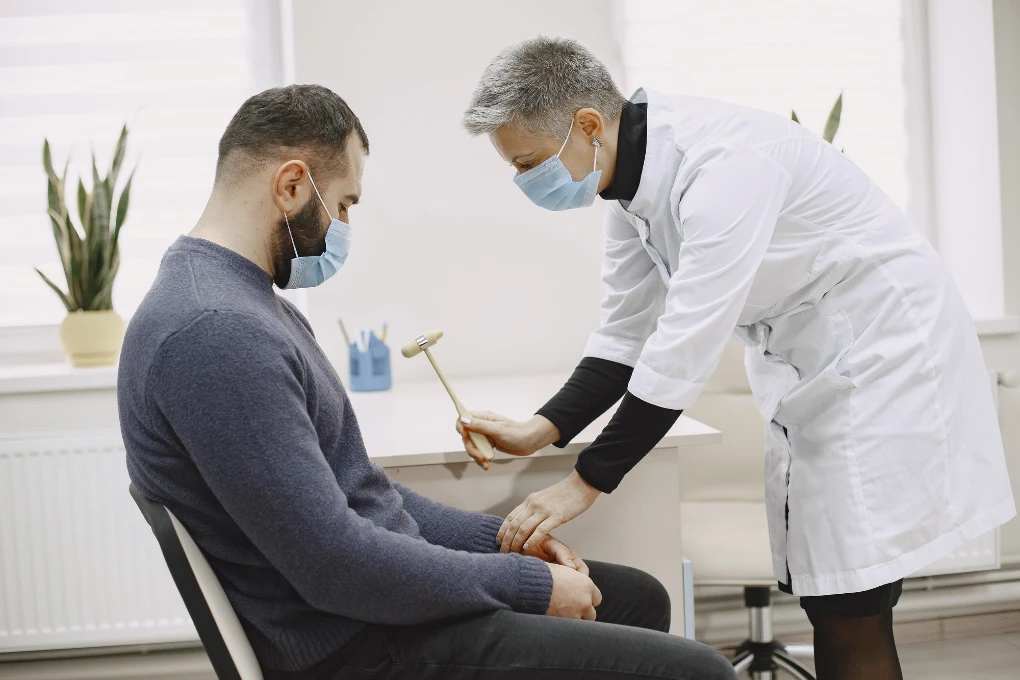
3. Physical Examination
Next comes a hands-on assessment. The orthopaedic doctor may:
- Check your range of motion
- Assess joint stability
- Look for swelling, tenderness, or deformities
- Evaluate your posture or walking pattern
For example, if you’re seeing someone like Dr Seng Chusheng for a knee issue, the examination might involve specific movement tests to identify ligament or cartilage problems.
4. Diagnostic Tests (If Needed)
Not every consultation requires imaging, but if the diagnosis isn’t clear, your orthopaedic surgeon may recommend:
- X-rays (for bone-related issues)
- MRI scans (for soft tissue injuries like ligaments or cartilage)
- Ultrasound (for certain tendon or muscle conditions)
Some orthopaedic clinics in Singapore offer on-site imaging, which can make the process faster and more convenient.
5. Understanding Your Diagnosis
Once your orthopaedic doctor has gathered enough information, they’ll explain:
- What’s causing your symptoms
- The severity of your condition
- Whether it’s acute (short-term) or chronic (long-term)
A good orthopaedic surgeon will break things down in simple terms, so you fully understand what’s going on—not just medically, but practically.
6. Treatment Options: Not Always Surgery
One common misconception is that visiting an orthopaedic surgeon automatically means surgery. In reality, most conditions are managed conservatively first.
Your treatment plan may include:
- Physiotherapy
- Medication for pain or inflammation
- Lifestyle modifications (e.g. activity changes, ergonomics)
- Injections (e.g. corticosteroids, hyaluronic acid)
Surgery is usually considered only when non-invasive options don’t provide sufficient relief.
7. Questions You Should Ask
To make your consultation more productive, consider asking:
- What are my treatment options?
- How long will recovery take?
- Are there non-surgical alternatives?
- What happens if I delay treatment?
An experienced orthopaedic doctor will welcome these questions and guide you through your options without pressure.
8. What Happens After the Consultation?
Before you leave the orthopaedic clinic, you’ll typically receive:
- A summary of your diagnosis
- A treatment or rehabilitation plan
- Prescriptions or referrals (e.g. physiotherapy)
- A follow-up schedule if needed
Recovery timelines can vary widely depending on your condition, so ongoing communication with your orthopaedic surgeon is key.
Your first visit to an orthopaedic surgeon in Singapore doesn’t have to be overwhelming. It’s really about understanding your condition and exploring the best path toward recovery—whether that involves therapy, lifestyle adjustments, or, in some cases, surgery.
Choosing the right orthopaedic clinic and specialist plays a role, but equally important is being informed and proactive about your health. With the right approach, that first consultation becomes less about uncertainty and more about taking control of your recovery journey.