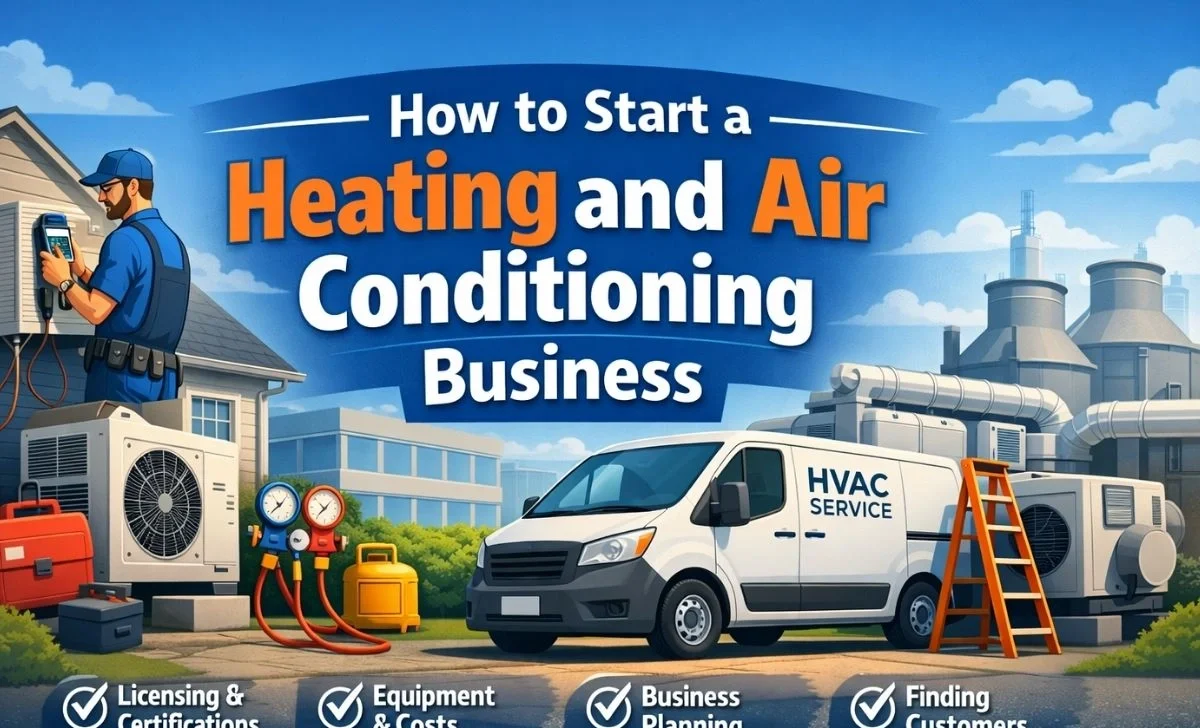
Introduction to How to Start a Heating and Air Conditioning Business
How to Start a Heating and Air Conditioning Business can be an exciting venture. With homes and businesses constantly in need of climate control, the demand for HVAC services is always on the rise. But how do you turn this growing market into a successful enterprise? From understanding customer needs to navigating legal requirements, there’s a lot to consider. Whether you’re an experienced technician or just passionate about comfort, this guide will walk you through everything you need to know about launching your HVAC business. Let’s dive into the essentials that will set you on the path toward success!
- Introduction to How to Start a Heating and Air Conditioning Business
- Market Research and Target Audience
- Creating a Business Plan
- Legal Requirements and Permits
- Equipment and Supply Needs
- Marketing Strategies for a HVAC Business
- Managing Finances and Hiring Employees
- Providing Quality Customer Service
- Tips for Success in the Heating and Air Conditioning Business
- Conclusion
Market Research and Target Audience
Understanding your market is crucial when venturing into the heating and air conditioning industry. Start by identifying key demographics in your area. Consider age, income levels, and home types.
Next, analyze competitors. Look at their services, pricing structures, and customer feedback. What gaps exist? Knowing what others offer can help you position your business effectively.
Surveys or local community forums can provide insights into consumer preferences. Are they more inclined towards energy-efficient solutions? Do they prioritize quick response times?
Additionally, consider seasonal trends that affect demand for HVAC services. Understanding peak seasons allows you to strategize marketing efforts better.
Define your ideal customer persona. This will guide your service offerings and communication style as you build brand awareness in a competitive landscape.
Creating a Business Plan
Creating a business plan is a crucial step in launching your heating and air conditioning venture. It serves as your roadmap, guiding you through the initial stages of your business.
Start by outlining your vision. Define what type of HVAC services you want to offer—installation, repair, or maintenance—and identify your target market.



Next, conduct a competitive analysis. Research local competitors to understand their strengths and weaknesses. This will help you carve out your niche.
Include financial projections too. Estimate startup costs, pricing strategies, and potential revenue streams. Make sure these figures are realistic based on thorough research.
Don’t forget marketing strategies. How will you attract customers? Consider online advertising or partnerships with local builders and real estate agents.
Detail operational plans such as staffing needs and customer service policies to ensure smooth operations from day one.
Legal Requirements and Permits
Starting a heating and air conditioning business involves navigating various legal requirements. Each state has specific licenses that contractors need to obtain before operating.
First, check local regulations for contractor licensing. Most states require HVAC professionals to hold a valid license, which often entails passing an exam and demonstrating relevant experience.
Permits are another crucial aspect. You’ll likely need permits for installations and significant repairs. These ensure your work meets safety standards and building codes.
Insurance is essential too. Liability insurance protects you from potential lawsuits arising from accidents or property damage during service calls.
Don’t overlook worker’s compensation if you plan on hiring employees. This coverage safeguards both your workers and your business against injuries incurred on the job site.
Staying compliant with regulations not only builds credibility but also helps avoid costly penalties down the line.
Equipment and Supply Needs
When starting a heating and air conditioning business, having the right equipment is crucial. Invest in high-quality tools that will withstand daily use. Essential items include wrenches, gauges, multimeters, and vacuum pumps.
Don’t forget about safety gear. Personal protective equipment like gloves, goggles, and hard hats should be part of your inventory. Keeping yourself safe while on the job reflects professionalism.
You’ll also need reliable vehicles for transportation. A well-equipped service van can enhance your efficiency and create a strong brand presence on the road.
Furthermore, establish relationships with suppliers who offer quality HVAC parts at competitive prices. Having dependable sources can help you manage costs effectively.
Consider stocking up on common replacement parts to handle emergency repairs quickly for clients. This not only speeds up service but builds trust as well among your customers in need of urgent assistance.
Marketing Strategies for a HVAC Business
Effective marketing is essential for a successful HVAC business. Start by building an online presence. Create a professional website that showcases your services, testimonials, and contact information.
Harness the power of social media to engage potential customers. Share tips on energy efficiency and seasonal maintenance. This not only builds trust but also positions you as an industry expert.
Consider local SEO strategies too. Optimize your website with keywords like “HVAC services in [your city].” This helps attract clients searching for nearby solutions.
Don’t underestimate traditional advertising methods either. Flyers, postcards, or even door hangers can be effective in local neighborhoods where families may need your expertise.
Networking plays a crucial role as well. Partner with real estate agents or home improvement stores to gain referrals and increase visibility within the community.
Managing Finances and Hiring Employees
Managing finances effectively is crucial for the success of your heating and air conditioning business. Start by setting a clear budget that accounts for all expenses, including equipment, supplies, and marketing.
Track your income closely to understand cash flow. Use accounting software or hire an accountant who specializes in small businesses. This will help you avoid costly mistakes and ensure timely tax payments.
When it comes to hiring employees, look for skilled technicians with relevant certifications. A strong team not only enhances service quality but also builds customer trust.
Offer competitive wages and benefits to attract top talent. Create a positive work environment where ongoing training is encouraged. Happy employees often lead to satisfied customers.
Keep communication open within your team; this fosters collaboration and innovation in problem-solving—key aspects of HVAC excellence as technology evolves constantly.
Providing Quality Customer Service
Providing quality customer service is essential for any heating and air conditioning business. Happy customers become loyal clients, and they often refer friends and family.
Start by listening to your customers. Understand their concerns before offering solutions. This builds trust and shows you value their input.
Timeliness matters too. Arrive on schedule for appointments; punctuality reflects professionalism. If delays occur, communicate proactively with updates.
Training your staff is crucial as well. Ensure they have the technical skills needed while also emphasizing soft skills like empathy and communication. A knowledgeable technician who can explain complex issues clearly makes a lasting impression.
Follow up after a service call to check if everything is functioning properly. Such gestures demonstrate that you care about their satisfaction long after the job is done.
Encourage feedback through reviews or surveys; this helps identify areas needing improvement while also showcasing positive experiences to potential new clients.
Tips for Success in the Heating and Air Conditioning Business
Focus on continuous learning. The HVAC industry evolves with new technologies and regulations. Stay updated by attending workshops, webinars, or online courses.
Build a strong network. Connect with suppliers, contractors, and other professionals in the field. Networking can lead to referrals and collaboration opportunities that benefit your business.
Prioritize customer relationships. Happy customers become repeat clients and spread the word about your services. Establish trust through clear communication and timely follow-ups.
Invest in marketing strategies tailored to your local area. Utilize social media platforms to showcase projects or share testimonials from satisfied customers.
Monitor industry trends closely. Understanding market demands allows you to adjust your services accordingly while staying competitive against larger companies.
Set realistic goals for growth while keeping an eye on operational efficiency too—balancing both is key for long-term success within this sector.
Conclusion
Starting a heating and air conditioning business can be an exciting venture. With the right preparation, you can create a successful company that meets the needs of your community. Focus on conducting thorough market research to understand your target audience. Crafting a solid business plan will help guide your decisions.
Navigating through legal requirements and permits is crucial for operating legally and safely in this industry. Don’t overlook the importance of investing in quality equipment and supplies, as they are essential for delivering reliable services.
Effective marketing strategies will set you apart from competitors, helping potential customers find you easily. Managing finances wisely while hiring skilled employees will contribute to long-term success.
Providing exceptional customer service builds trust and ensures repeat business. Remember to adapt continuously and stay informed about industry trends.
With dedication, strategic planning, and a commitment to quality work, you’ll be well on your way to establishing a thriving heating and air conditioning business that meets the demands of today’s consumers.