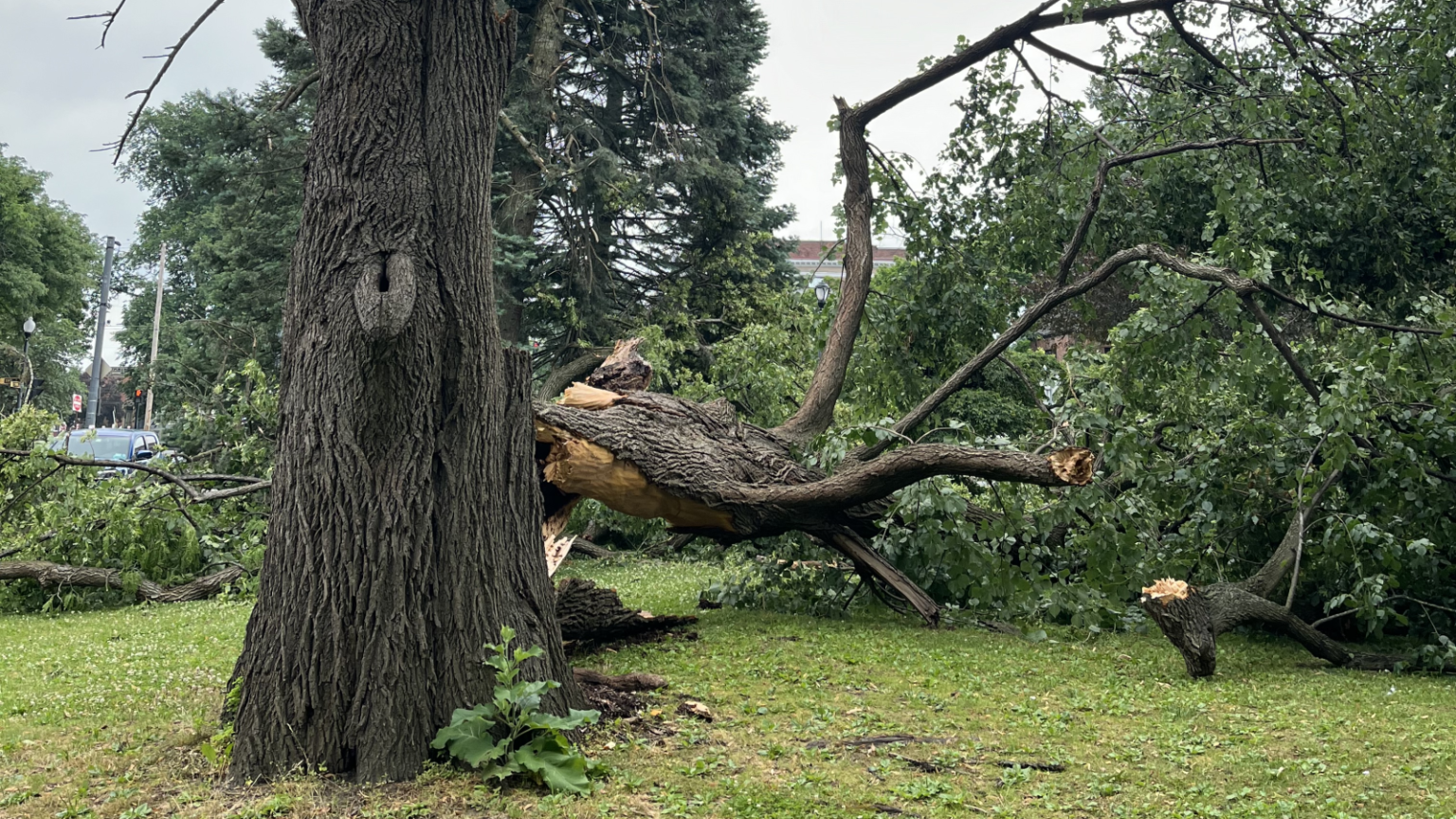
Living in storm-prone areas comes with unique challenges for homeowners and businesses. One of the most critical risks comes from hazardous trees, which can cause property damage, block roads, and even threaten lives during strong winds, heavy rains, or ice storms. Proper management of these trees is essential to prevent accidents and maintain safe, healthy landscapes, notes leading Culver City Property Management company.
- Hazardous Trees in Storm-Prone Areas
- Risk Assessment and Tree Evaluation
- Pruning and Tree Maintenance Strategies
- Structural Support and Prevention Techniques
- Emergency Preparedness and Storm Response
- Community and Environmental Benefits
- Preventive Planning for Homeowners and Businesses
- Cost Considerations and Long-Term Benefits
- Conclusion
Licensed arborists and property owners must work together to identify risky trees, implement preventive measures, and maintain them regularly. By adopting effective strategies, it is possible to reduce the chances of storm-related tree damage while preserving the health and longevity of urban and suburban greenery.
This article explores the most effective strategies for managing hazardous trees in storm-prone areas. From risk assessment and pruning to emergency preparedness and routine maintenance, we’ll cover actionable steps that help protect people, property, and the environment.
Hazardous Trees in Storm-Prone Areas
Trees provide shelter and comforting shade, improve air quality in the surrounding, and enhance property aesthetics. However, in storm-prone areas, some trees can become hazardous if they are weak, diseased, or improperly maintained.
Common Causes of Hazardous Trees
Hazardous trees can develop due to several factors:
- Structural defects: Cracks, split trunks, or poor branch unions can weaken a tree.
- Disease or pest infestations: Fungal infections, borers, or scale insects can compromise tree health.
- Root damage: Soil erosion, construction, or compacted soil can harm root systems.
- Storm history: Previous storms may leave hidden weaknesses in a tree.
Identifying these warning signs early is crucial for reducing storm-related risks.
Why Storm-Prone Areas Need Special Attention
In areas prone to hurricanes, tornadoes, or heavy winds, even healthy trees can become hazardous if not properly maintained. Licensed tree removal companies understand how wind, rain, and ice affect tree stability. They can assess which trees pose risks and recommend preventive measures tailored to local weather patterns.
Risk Assessment and Tree Evaluation
Before any maintenance or pruning, a comprehensive risk assessment is essential. Proper evaluation identifies hazardous trees and prioritizes action.



Visual Tree Inspections
A visual inspection helps spot obvious warning signs:
- Dead or hanging branches
- Leaning trunks
- Hollow areas or cavities
- Excessive moss or fungal growth
These signs indicate a higher probability of failure during storms.
Professional Tree Risk Assessment
Licensed arborists provide in-depth evaluations using tools like resistographs, sounding hammers, and aerial inspections. They assess:
- Structural integrity of trunks and limbs
- Root stability and soil conditions
- Tree species and natural weaknesses
- Proximity to homes, power lines, and pedestrian areas
Professional assessments allow property owners to make informed decisions about pruning, cabling, or removal.
Pruning and Tree Maintenance Strategies
Proper pruning and maintenance reduce storm damage by removing weak branches and promoting healthy growth.
Crown Thinning and Reduction
Crown thinning removes dead or overcrowded branches, reducing wind resistance during storms. Crown reduction shortens long or heavy branches that may break under stress. Both techniques increase a tree’s stability without compromising its appearance.
Removing Dead or Diseased Limbs
Dead or diseased limbs are prone to breakage during storms. Licensed arborists identify and safely remove these limbs to prevent property damage and injuries.
Routine Maintenance Programs
Regular maintenance is essential in storm-prone areas. Seasonal inspections, fertilization, and pest control ensure trees remain healthy and resilient. Trees that are well-maintained are less likely to fail during severe weather events.
Structural Support and Prevention Techniques
Some trees can be preserved even if they are structurally weak. Cabling and bracing are common preventive measures.
Cabling and Bracing
Cabling involves installing flexible steel cables between major limbs to reduce stress on weak branches. Bracing uses rods or supports to strengthen trunks or crotches. These techniques help maintain tree stability during high winds without the need for removal.
Root Zone Protection
Healthy roots anchor a tree and prevent tipping. Licensed arborists recommend:
- Avoiding soil compaction near roots
- Mulching to retain moisture and reduce erosion
- Proper watering and fertilization practices
Strong root systems increase a tree’s resilience against storms.
Emergency Preparedness and Storm Response
Even with preventive measures, storms can cause unexpected damage. Having a plan ensures rapid response and minimizes hazards.
Emergency Tree Removal
After storms, hazardous trees may need immediate removal. Licensed arborists safely remove fallen or unstable trees to protect people and property. Prompt action reduces further damage and prevents accidents.
Debris Management
Storm-damaged trees often leave branches and debris that block roads or access points. Proper cleanup, disposal, or recycling is essential. Arborists can manage debris efficiently, ensuring safe and accessible spaces.
Insurance and Documentation
Documenting tree conditions before and after storms helps with insurance claims. Licensed arborists can provide professional reports detailing tree health, damage, and recommended actions. This documentation protects property owners financially and legally.
Community and Environmental Benefits
Managing hazardous trees isn’t only about safety; it also promotes environmental sustainability.
Preserving Healthy Trees
By removing only weak or diseased branches, licensed arborists preserve healthy trees. Mature, stable trees continue providing shade, improving air quality, and supporting wildlife even in storm-prone areas.
Enhancing Urban Resilience
Well-managed trees reduce the urban heat island effect, absorb rainwater, and reduce wind speed at ground level. These environmental benefits improve overall community resilience to storms.
Promoting Biodiversity
Proper tree care supports local ecosystems. Licensed arborists recommend planting diverse species that can withstand local weather patterns while providing habitats for birds, insects, and other wildlife.
Preventive Planning for Homeowners and Businesses
Effective management begins long before a storm strikes. Homeowners and businesses can implement preventive strategies:
- Schedule regular inspections with licensed arborists
- Develop a tree maintenance calendar for pruning and fertilization
- Remove dead or high-risk trees proactively
- Install structural supports for valuable or historically significant trees
- Maintain clear spaces around buildings, power lines, and walkways
These strategies reduce liability, protect property, and maintain community safety.
Cost Considerations and Long-Term Benefits
While some preventive measures may require upfront investment, they often save money over time.
Reducing Emergency Expenses
Preventing tree failure reduces costly emergency removal and property repair after storms. Licensed arborists provide cost-effective strategies for minimizing risk before damage occurs.
Enhancing Property Value
Well-maintained trees improve property aesthetics and value. Routine maintenance, combined with proper storm preparedness, ensures that trees enhance rather than threaten property.
Environmental ROI
Investing in tree health benefits the environment. Healthy trees filter air, provide shade, and improve water management, making the property more sustainable and eco-friendly.
Conclusion
Managing hazardous trees in storm-prone areas requires a proactive approach that combines risk assessment, pruning, structural support, emergency planning, and routine maintenance. Licensed arborists are essential partners in this process, offering expertise that protects people, property, and the environment.
By identifying weak or diseased trees early, implementing preventive measures, and responding promptly after storms, homeowners and businesses can significantly reduce the risks associated with hazardous trees. At the same time, careful management preserves healthy trees, promotes biodiversity, and supports sustainable urban landscapes.
Storm-prone regions may face frequent challenges, but with the right strategies and professional guidance, hazardous trees can be managed effectively, keeping communities safe, properties protected, and the environment thriving.