It can be frustrating when your furnace is running but your home remains cold. If your system fails to heat properly, it is likely due to an underlying issue affecting airflow, efficiency, or heat production. Identifying these causes early can help you determine when to call a professional and prevent minor issues from turning into costly repairs, says Eastern Idaho Management. Here are the most common reasons your furnace may be underperforming and why addressing them promptly is essential.
- Dirty or Clogged Air Filters
- Thermostat Issues or Incorrect Settings
- Airflow Problems in Ductwork
- Pilot Light or Ignition System Problems
- Worn or Failing Internal Components
- Insufficient Maintenance Over Time
- Safety Sensors Shutting the System Down
- Aging Furnace and Declining Efficiency
- Local Climate Demands
- The Cost of Delaying Furnace Repairs
- How Professional Inspection Makes a Difference
- Conclusion
Dirty or Clogged Air Filters
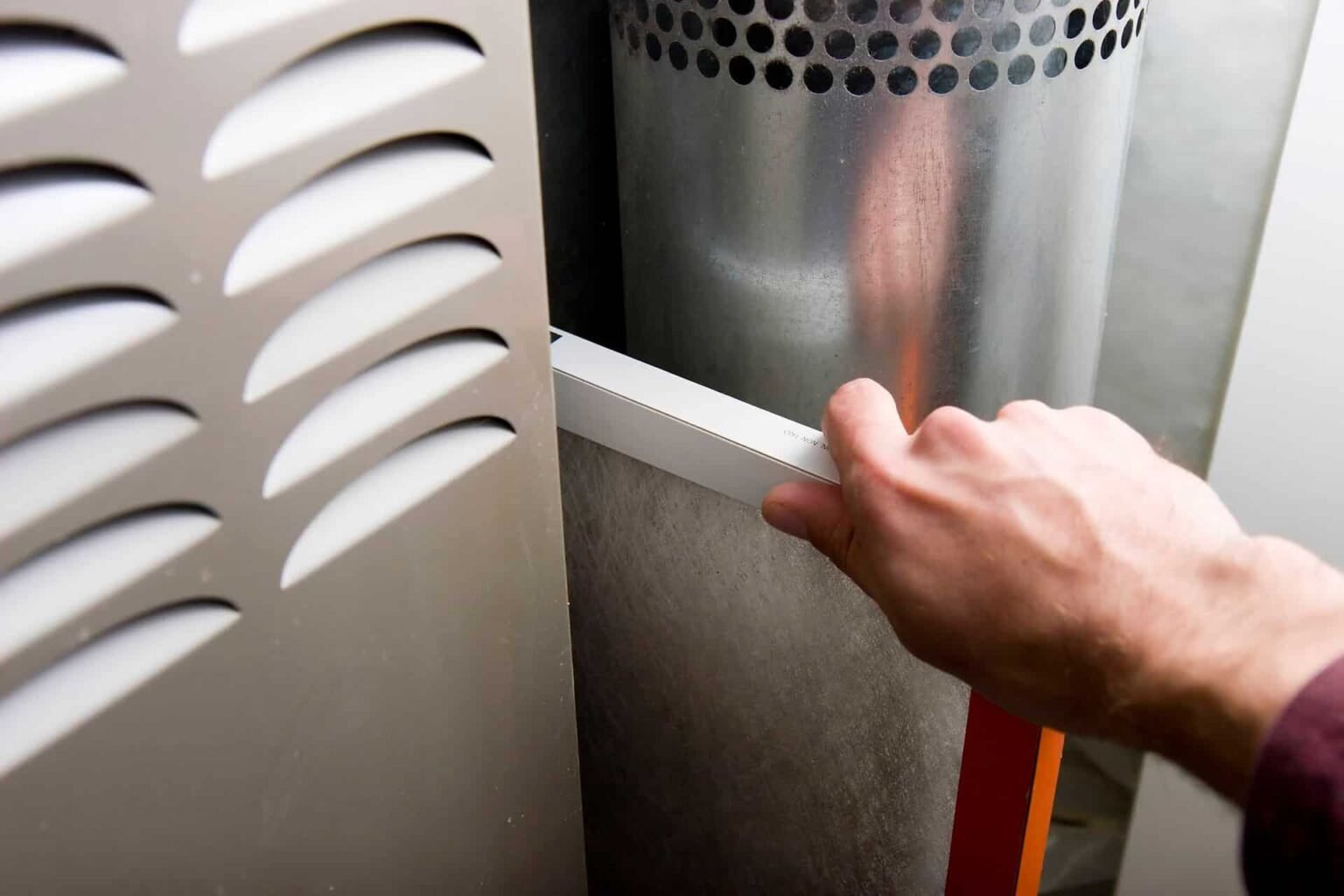
A dirty air filter is a common cause of heating problems. When filters clog with dust and debris, they restrict airflow.
Restricted airflow can:
- Reduce heat distribution throughout the home
- Cause the furnace to overheat and shut off early
- Force the system to work harder than necessary
Regular filter changes help maintain steady airflow and consistent indoor temperatures.
Thermostat Issues or Incorrect Settings
Sometimes the problem isn’t the furnace but the thermostat. Incorrect settings, calibration issues, or an old thermostat can stop the furnace from working properly.
Thermostat-related problems include:
- Incorrect temperature readings
- Delayed furnace activation
- Short or incomplete heating cycles
Ensuring the thermostat is set correctly and functioning properly is an important first step in diagnosing heating issues.
Airflow Problems in Ductwork
Damaged or blocked ductwork can stop warm air from reaching living spaces, even if the furnace is working. Leaks, disconnections, or debris buildup can greatly reduce heating performance.



Duct issues may cause:
- Uneven temperatures between rooms
- Weak airflow from vents
- Heat loss before air reaches the home
Proper airflow is essential for whole-home comfort, especially during colder months.
Pilot Light or Ignition System Problems
If the furnace isn’t producing enough heat, the ignition system may be faulty. Older systems use pilot lights, while newer ones rely on electronic ignition.
Ignition issues can result in:
- Inconsistent heat production
- Furnace failing to stay on
- Delayed heating response
These problems often require professional inspection to restore safe and reliable operation.
Worn or Failing Internal Components
Furnace components like blower motors, heat exchangers, and sensors naturally wear out over time. Each part is essential for efficient heat delivery.
Worn components can cause:
- Reduced heat output
- Frequent system shutdowns
- Increased energy consumption
As parts degrade, heating performance becomes less reliable, and repairs may be necessary to restore proper function.
Insufficient Maintenance Over Time
Furnaces that don’t receive routine maintenance are more likely to have performance issues. Dust buildup, loose connections, and calibration drift all impact heating efficiency.
Lack of maintenance often leads to:
- Reduced system lifespan
- Lower energy efficiency
- Increased risk of breakdowns
Routine inspections help identify issues early and keep the system running smoothly.
Safety Sensors Shutting the System Down
Modern furnaces have safety features that automatically shut them off when they detect unsafe conditions. While this protects your home, it can also interrupt heating.
Safety-related shutdowns may be triggered by:
- Overheating
- Blocked airflow
- Faulty sensors
When safety systems activate frequently, it is a sign that the furnace needs professional evaluation.
Aging Furnace and Declining Efficiency
As furnaces age, their heating efficiency declines, often struggling to meet demand even if they still work.
Signs of aging-related heating issues include:
- Longer heating cycles
- Rising energy bills
- Inconsistent indoor temperatures
At this stage, homeowners may need to consider repair or evaluate long-term options.
Local Climate Demands
Seasonal cold snaps place significant demand on heating systems. When a furnace fails to heat properly during these periods, even minor issues become noticeable quickly. Scheduling the furnace repair Draper homeowners trust can help identify the root cause of these problems and restore comfort before conditions worsen. Given the local climate, reliable heating performance is essential.
The Cost of Delaying Furnace Repairs
Putting off furnace repairs often leads to:
- Higher repair costs later
- Increased energy usage
- Reduced indoor comfort
Small issues rarely resolve on their own. Addressing them early helps protect both the system and the home.
How Professional Inspection Makes a Difference
Professional inspections provide clarity when heating issues are hard to pinpoint. Technicians assess airflow, components, and safety to identify exactly why performance has declined.
Professional evaluation helps:
- Identify hidden or developing problems
- Restore proper heat output
- Improve overall system reliability
This approach removes guesswork and prevents unnecessary stress during cold weather.
Conclusion
If your furnace isn’t heating your home properly, the cause is likely a combination of airflow issues, worn components, or neglected maintenance. Addressing early warning signs allows homeowners to act before discomfort rises and costs escalate. Consistent care, timely repairs, and professional inspections will ensure your furnace provides reliable warmth when you need it most. Understanding these common problems helps homeowners make informed decisions and maintain a comfortable home throughout the heating season.