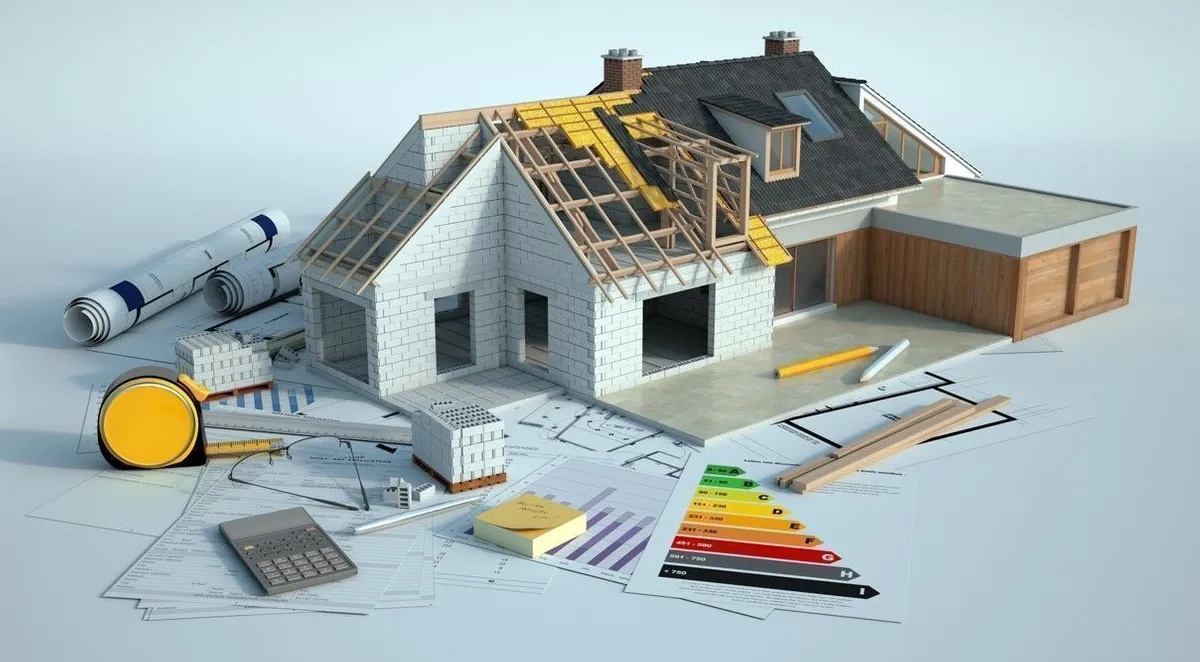
Your home is more than just a place to live—it’s an investment, a sanctuary, and a reflection of your lifestyle. Ensuring that it stands the test of time requires proactive care, thoughtful upgrades, and a commitment to maintenance. While no house is immune to aging, there are many strategies homeowners can use to preserve their property, enhance its durability, and maximize its longevity. Here’s a comprehensive guide on how to extend the lifespan of your home.
1. Prioritize Routine Maintenance
Routine maintenance is the backbone of a long-lasting home. Small issues, when caught early, can prevent costly repairs down the line. This includes regular inspections of roofing, plumbing, electrical systems, and HVAC units. Cleaning gutters, checking for leaks, and servicing appliances are simple steps that protect your home’s structure. Think of maintenance as insurance for your home—it may require time and effort, but the payoff is invaluable.
2. Protect Your Roof
The roof is your home’s first line of defense against the elements. Choosing durable materials and performing periodic inspections can prevent water damage, mold growth, and structural issues. For homeowners in areas like Salt Lake City, upgrading to metal roofing can be a game-changer. Metal roofs resist harsh weather, last decades longer than traditional asphalt shingles, and require minimal upkeep, making them a smart long-term investment.
3. Invest in Quality Materials
Durable materials can dramatically increase your home’s longevity. Hardwood floors, stone countertops, and high-grade insulation not only improve aesthetics but also withstand wear and tear. When renovating or building additions, opt for materials known for their resilience. High-quality windows and doors, for example, enhance energy efficiency and reduce the need for frequent replacements.
4. Maintain the Exterior
Your home’s exterior faces the elements daily. Protecting it with proper landscaping, weatherproofing, and regular painting or sealing can prevent deterioration. Trim trees to avoid damage from falling branches, repair cracks in siding or masonry, and apply sealants to wood surfaces. By keeping your home’s exterior in top shape, you reduce the risk of structural damage and costly repairs.
5. Monitor Moisture and Ventilation
Moisture is one of the most common threats to a home’s longevity. Leaks, high humidity, and poor ventilation can lead to mold, mildew, and structural decay. Installing dehumidifiers, improving attic ventilation, and promptly addressing plumbing issues are crucial steps. Ensuring proper airflow and moisture control protects both the building materials and the health of your household.
6. Upgrade Systems Thoughtfully
Electrical, plumbing, and heating systems age over time, and outdated systems can pose safety risks. Upgrading to energy-efficient HVAC units, modern electrical panels, and durable plumbing materials can reduce wear and increase safety. Smart home technology can also alert you to issues before they become major problems, helping maintain your home’s integrity.
7. Foundation and Structural Care
The foundation is literally what your home stands on. Regular inspections for cracks, settling, or water pooling can prevent serious issues. Addressing minor problems early can save thousands in structural repairs. In areas prone to shifting soil or moisture, consider consulting a structural engineer to ensure long-term stability.

8. Embrace Preventive Landscaping
Landscaping isn’t just about aesthetics; it protects your home. Proper grading ensures water drains away from the foundation, while retaining walls prevent erosion. Planting trees and shrubs strategically can shield your home from wind damage and reduce energy costs. A well-planned landscape contributes to both the beauty and durability of your property.
9. Keep Up With Upgrades
As homes age, certain updates are inevitable. Timely replacement of worn-out elements like shingles, gutters, or flooring preserves your home’s integrity. Staying on top of upgrades prevents small problems from snowballing into costly repairs. Think of your home as a long-term project that requires consistent attention to thrive over decades.
By prioritizing maintenance, using durable materials, and making thoughtful upgrades, you can significantly extend the life of your home. From investing in protective measures like metal roofing in Salt Lake City to monitoring moisture and foundation health, every step matters. With care and foresight, your home can remain a safe, beautiful, and valuable place for generations to come.