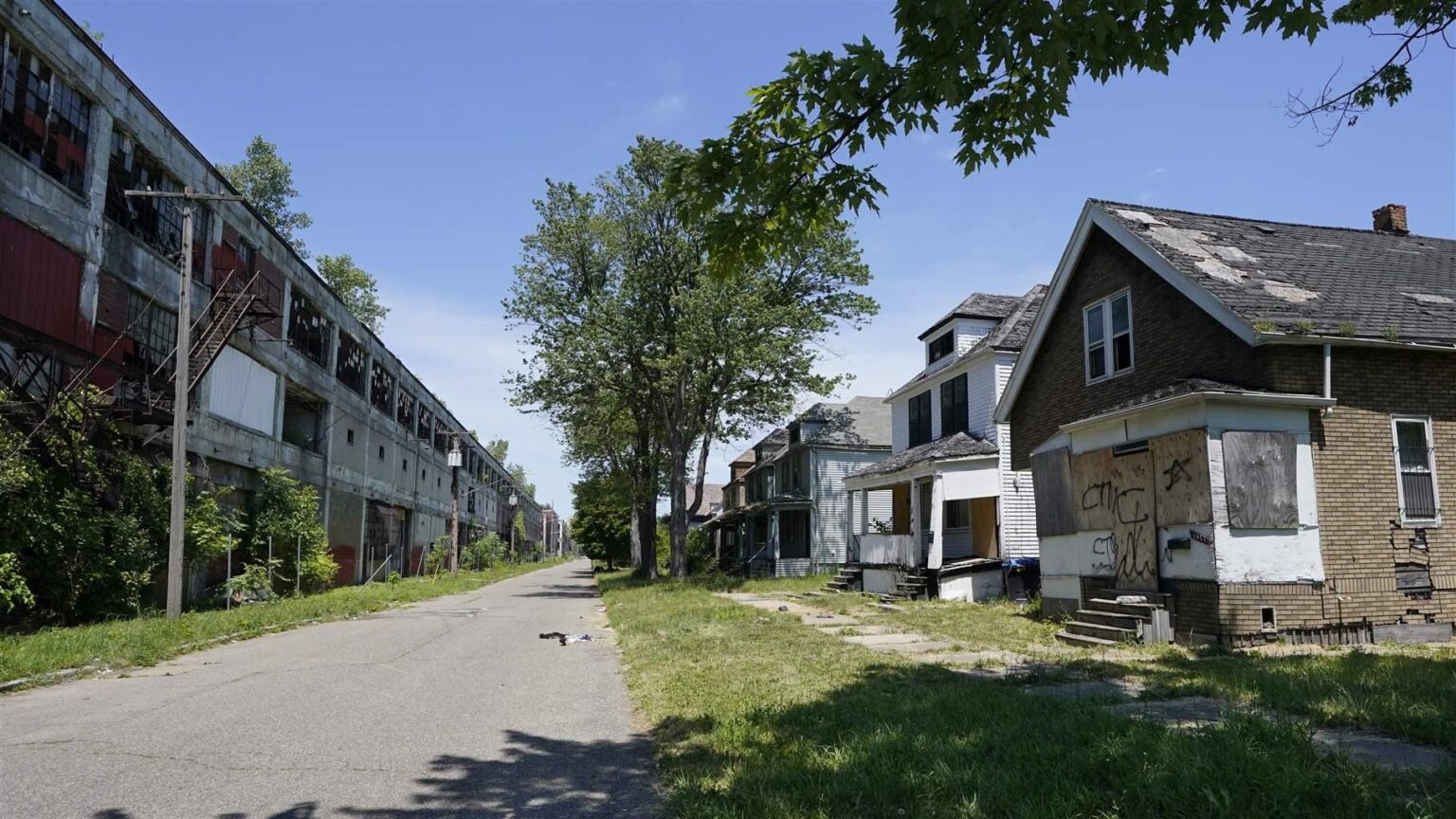
Leaving your house empty can lead to break-ins, damage, or high repair costs. Homes that sit vacant are more likely to face theft and vandalism than lived-in ones says Braddock Heights Management Company. This blog will show you simple steps to keep your property safe and well-kept.
- Secure Your Home
- Install security cameras and motion-activated lights
- Use high-quality locks on doors and windows
- Remove overgrown vegetation and add security signage
- Manage Utilities
- Adjust the thermostat and hot water heater
- Shut off water supply if needed
- Ensure power is on for essential systems
- Perform Regular Maintenance
- Consider Insurance and Legal Requirements
- Conclusion
Find out how easy it is to protect your empty home.
Secure Your Home
Keep your house safe while it sits empty. Simple steps can stop break-ins and keep your property protected from troublemakers.
Install security cameras and motion-activated lights
Keeping your home safe is vital, especially when it’s empty. Installing security cameras and motion-activated lights can be a big help.
- Choose security cameras with clear, high-definition video. This makes it easier to see details like faces or car license plates.
- Pick cameras that offer night vision. This feature lets you see what happens in the dark.
- Motion-activated lights scare off burglars. They light up when someone comes close.
- Place lights around doors and windows. These are common entry points for thieves.
- Connect your security system to the internet. You can watch your home from anywhere.
- Use lights that are energy efficient. LED bulbs use less power and last longer.
- Make sure your cameras record to the cloud. If a thief takes your camera, you still have the video.
- Set up lights to cover all sides of your house. Don’t leave any dark spots for burglars to hide.
This setup keeps your property secure and deters vandalism and burglary, protecting your vacant home from common risks.
Use high-quality locks on doors and windows
High-quality locks are key to home security. They help keep burglars out and protect your vacant property.
- Choose deadbolts for all exterior doors. Deadbolts add strength and make it harder for intruders to break in.
- Install window locks that are strong and secure. These will prevent easy access through open windows.
- Use smart locks if possible. Smart locks let you control access from your phone, adding extra convenience and security.
- Consider a keyless entry system. Keyless systems eliminate the need for keys, reducing the chance of lost or copied keys.
- Regularly check and replace old or worn-out locks. Keeping your locks in good shape is vital for safety.
- Make sure all sliding doors have sturdy locks or dowels. This helps stop thieves from lifting them off their tracks.
- Secure garage doors with quality padlocks or smart systems. Garages often store valuables, making them a target.
- Add reinforced strike plates to all door frames; they support the lock better than standard plates do.
- Keep spare keys hidden away or with trusted neighbors instead of under doormats or plant pots.
- Test every lock regularly to ensure they work properly; this prevents unexpected issues when you need them most.
Using high-quality locks helps reduce risks like vandalism and burglary while boosting neighborhood safety for everyone around you.
Remove overgrown vegetation and add security signage
Keeping your home safe is key when it’s empty. Overgrown plants can hide threats, while clear signs can deter unwanted visitors.

- Trim bushes and trees around your property. This removes hiding spots for burglars. It also helps you see any suspicious activity.
- Clear weeds and tall grass from the lawn. An unkempt yard can signal that no one is home.
- Install a “No Trespassing” sign at visible locations. This shows that you take security seriously and may discourage trespassers.
- Use security signage to indicate that cameras are present, even if they aren’t real ones. Fake cameras can scare off potential vandals or thieves.
- Consider adding a motion sensor light near entrances. Bright lights make it hard for someone to go unnoticed at night.
- Keep pathways clear of debris and clutter. A clean area improves safety and increases visibility for security measures.
Manage Utilities
Check your utilities often to keep everything running smoothly. Adjust your thermostat and hot water heater for savings while you’re away.
Adjust the thermostat and hot water heater
Adjusting the thermostat and hot water heater is key for empty homes. This helps save energy and prevent damage.
- Set your thermostat to a lower temperature in winter. This keeps your pipes from freezing.
- In summer, set the AC to a higher temperature. It reduces energy use while preventing mold.
- Hot water heaters should be turned down to the lowest setting. This avoids overheating and saves energy.
Moreover, investing in a good vacant home security system can significantly deter potential intruders and provide peace of mind.
- Consider turning off the hot water supply if no one will be staying in the home for a while. This prevents leaks and waste.
- Use a programmable thermostat where possible. It allows easy adjustments based on your schedule.
- Keep an eye on these systems regularly, even if you are away. This helps you catch any issues early before they become big problems.
Managing utilities right helps protect your vacant property from common risks like vandalism or damage.
Shut off water supply if needed
Shutting off the water supply is important for an empty home. Doing this helps prevent leaks and flooding. These problems can cause serious damage. Inspect all pipes before you leave.
If you find any signs of wear, fix them right away.
Consider using a main shutoff valve. This will stop water flow to the whole house at once. Be sure to label it clearly for easy access later. Keeping your home safe from water issues is key in property management of vacant homes.
It also reduces liability risks associated with potential disasters or vandalism while the house sits empty.
Ensure power is on for essential systems
Power is essential for keeping your home safe and functional, even when it’s empty. It helps maintain security systems like alarms and cameras that can deter burglars. If these systems are off, your property becomes more vulnerable to vandalism and theft.
Keep the power on for basic needs. This includes heating, cooling, and fridge operation to prevent spoiling food if you store essentials inside. These steps help protect your vacant property from potential risks while it’s unoccupied.
Perform Regular Maintenance
- Perform Regular Maintenance: Check your home often for leaks, pests, and damage. Keeping up with these tasks helps keep your property safe and sound. Want to know more about how to protect your empty home?
Check for leaks, pests, and structural damage
Empty homes can face many issues. Regular checks help catch problems early.
- Look for leaks in pipes and ceilings. A small leak can cause big damage over time.
- Check windows and doors for drafts or water stains. These signs mean there may be leaks needing repair.
- Inspect the roof for missing shingles or damage. This protects your home from rain and snow.
- Watch for pests, like mice or ants, inside the house. These pests can quickly multiply and cause more trouble.
- Examine cracks in walls or foundation. Large cracks may signal serious structural issues that need fixing.
- Clear out any clutter inside and outside the property. Clutter can hide spots where pests might enter.
- Repair any broken steps or railings right away. Safety is very important in an empty home.
- Ensure gutters are clear of leaves and dirt. This prevents water damage to your home’s structure.
- Check the basement for moisture or mold growth. Moisture leads to bigger problems if not addressed promptly.
- Schedule regular inspections to keep everything in good shape; this keeps your vacant property safe from vandalism and other risks.
Taking these steps will help avoid common issues with an empty home while keeping it secure and ready for future use or sale.
Maintain landscaping and clear junk mail
Keeping your yard neat helps your home look cared for. Clear junk mail keeps it from looking abandoned.
- Trim overgrown bushes and grass to improve curb appeal. This makes your home less attractive to burglars and vandals.
- Remove any dead plants or leaves from the yard. A tidy space shows that someone might be watching over the property.
- Mow the lawn regularly, even if you are not living there. An unkempt lawn can signal that no one is home.
- Clear away junk mail and newspapers from the front door or mailbox. Piles of mail can indicate that the house is vacant.
- Ask a friend or neighbor to help with upkeep if you can’t do it yourself. They can keep an eye on things while you’re away.
- Consider hiring a property management service if your home will be empty for a long time. They can handle maintenance and keep everything in check.
Consider Insurance and Legal Requirements
- Consider Insurance and Legal Requirements: Make sure you have the right insurance for your empty home to avoid any surprises later. Check local rules and regulations too, as they can affect what you need to do next.
Want to know more about protecting your property?
Update or purchase vacant home insurance
Vacant homes need special insurance. Regular homeowner’s insurance may not cover all risks for empty properties. Think about getting vacant home insurance instead. This type of policy protects against damage, theft, and vandalism.
Most insurers offer this kind of coverage. Check your options to find the best fit for your needs. Having proper insurance helps keep you safe from financial loss while managing a vacant property.
With the right policy, you can focus on maintaining your home without added worries.
Be aware of HOA rules and regulations
HOA rules and regulations can affect how you manage a vacant property. Each homeowners association has its own set of guidelines. These rules often cover things like yard maintenance, exterior changes, and noise levels.
If your home does not follow the rules, you could face fines or other penalties.
Stay informed about these regulations to avoid issues. Some HOAs require homes to be lived in regularly for safety reasons. Check if there are specific requirements for taking care of empty homes.
Being aware helps keep your neighborhood safe and maintains property values.
Conclusion
Empty homes need care. Taking simple steps keeps them safe. Secure your property with good locks and cameras. Manage your utilities wisely to avoid damage. Regular checks for pests and issues save money later.
Keep insurance updated to protect against loss or damage. Your home deserves attention, even when you are away!