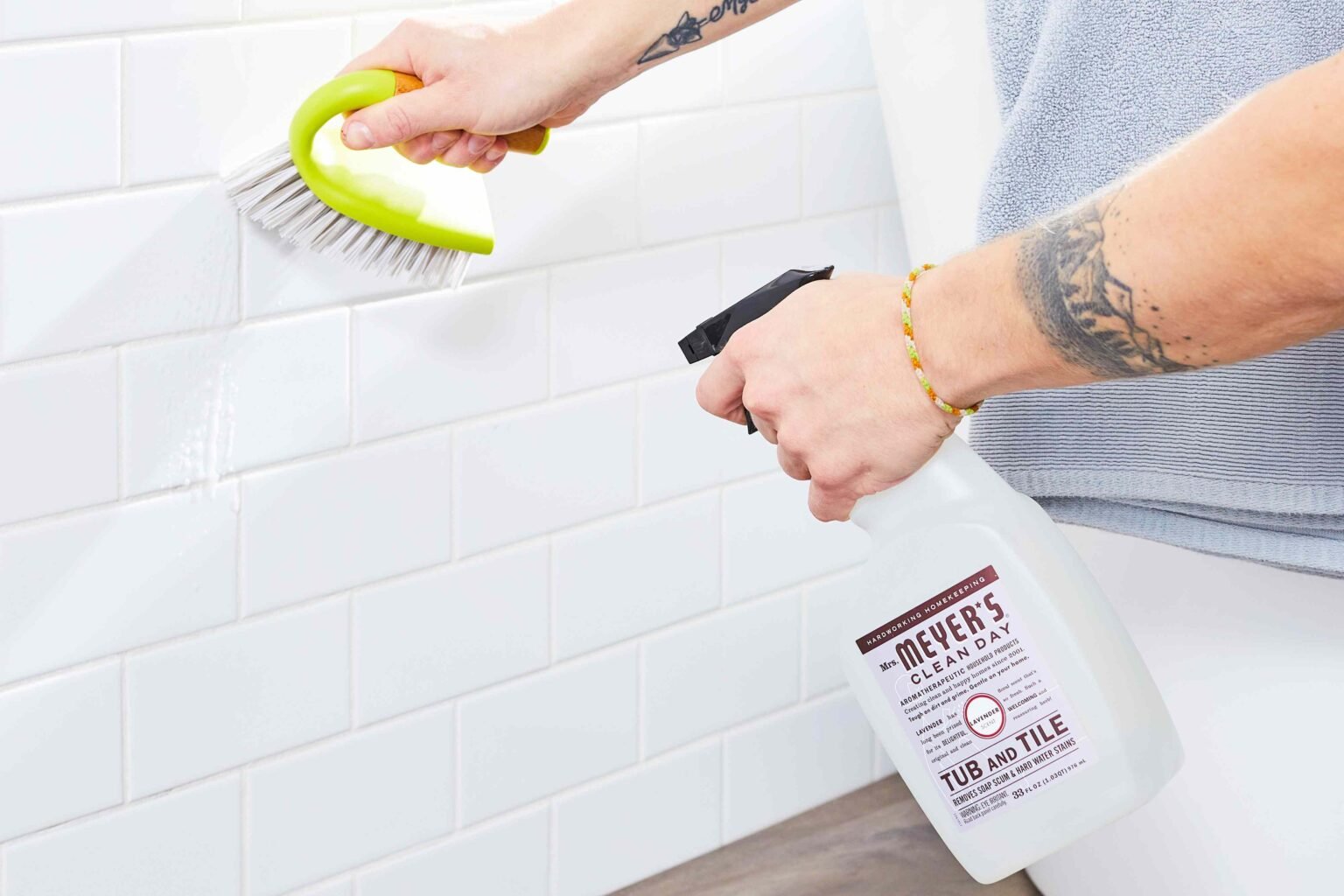
When a bathroom cleaner doesn’t work well, it’s usually due to something other than applying the wrong scrubbing technique. The reason is that the formula is not made for the stain you are looking to get rid of. Then it takes one kind of ingredient to treat hard water; soap scum needs another.
- Gentle Abrasive Power
- White Vinegar to the Rescue on Hard Water Stains
- Hydrogen Peroxide: Stubborn Stain Remover
- Dissolves Tough Deposits
- Castile Soap: Plant-Based Cleaning Agent
- Borax: Heavy-Duty Cleaner
- Essential Oils: Natural Freshness Boost
- Combining Ingredients for Maximum Effect
- Safety Tips and Storage
- Conclusion
Mold and mildew require something very different. Fortunately, the most effective cleaners typically utilize a well-established list of components that consistently appear on their labels. In this post, we will discuss the seven effective ingredients, explore their specific uses, and learn how to use them safely to achieve maximum efficacy with minimal effort.
Gentle Abrasive Power
Baking soda is the best-known because of its scrubbing nature, which does not scratch surfaces. This method removes soap scum, mineral deposits, and even mildew. Baking soda mixed with a moist sponge makes a paste that loosens dirt from tile, grout, and sinks. It eliminates unpleasant smells, leaving bathrooms with a clean and fresh odor after use.
For everyday use, a natural bathroom cleaner often relies on ingredients like baking soda, since its gentle abrasive quality helps remove soap scum and odors without scratching surfaces.
White Vinegar to the Rescue on Hard Water Stains
White vinegar is ideal for loosening mineral deposit residue, the chalky marks that develop around taps and showerheads. The high acidity levels that it possesses help clean limescale away, as well as remove stubborn calcium deposits. vs. vinegar can be sprayed directly on glass and chrome to restore their luster. Combining equal parts vinegar and water makes an all-purpose solution, which adds extra cleaning power and is fine for everyday use.
Hydrogen Peroxide: Stubborn Stain Remover
Use hydrogen peroxide to safely treat mold and mildew stains. Its bubbling action helps pull tarred dirt from tile grout and caulking. Hydrogen peroxide can be used to lighten; just apply it directly to the stained areas, and it is a gradual process. Hydrogen peroxide helps reduce unwanted germs in damp bathroom areas because it disinfects as it cleans.
Dissolves Tough Deposits
We all know the magic of citric acid found in lemons when it comes to removing mineral deposits and soap scum. It acts on hard water marks, decomposing them into easy-to-manage chunks. We just sprinkle citric acid powder rather liberally on the affected areas and allow it to rest for a while, which makes it a breeze to scrub off the next day. Citric acid also has the bonus of leaving a clean, light aroma behind.
Castile Soap: Plant-Based Cleaning Agent
Castile soap is made from vegetable oils and cleans without chemicals. It produces a mild foam that removes dirt, body oils, and makeup residue. It works effectively on bathtubs, sinks, and fixtures. Although Castile soap can be used on just about any surface in the home, it is particularly great in the bathroom.



You can even mix it with things like baking soda or vinegar to boost its cleaning power, making it a highly versatile option.
Borax: Heavy-Duty Cleaner
Other than being a mineral compound, borax works as a stain remover as well as a deodorizer in one. It targets the dirt that builds up in showers and toilet bowls. If you sprinkle borax over the wet surface and scrub it with a brush, it can be quite effective. Borax also aids in combating foul odors, which makes it a valuable tool to use when cleaning.
Essential Oils: Natural Freshness Boost
Besides the fragrance they provide, essential oils such as tea tree or eucalyptus are also beneficial. Many contain ownership that helps slow down the growth of mold and bacteria. Adding a couple of drops to homemade cleaning solutions can increase their efficiency, particularly in eliminating odors and disinfecting surfaces due to their antimicrobial properties.
Essential oils, in contrast to traditional bathroom cleaners, emit a pleasant scent that serves as a reminder of your thoroughly cleaned and ready-to-use bathrooms.
Combining Ingredients for Maximum Effect
When you combine two or more essential ingredients, you’ll discover that they work wonders for cleaning bathrooms. The effervescent reaction caused by combining one cup of baking soda with one cup of vinegar helps to remove dirt from drainage and fixtures. Mixing up hydrogen peroxide and baking soda creates a strong paste for tile grout whitening.
Sometimes mixing up different combinations shows us new ways to address an ongoing bathroom problem, such as using a mixture of lemon juice and salt for scrubbing surfaces or combining essential oils with vinegar for a pleasant scent while cleaning.
Safety Tips and Storage
Take care when handling cleaning ingredients. Close the container of starter and keep it out of the reach of children and pets. There are some chemicals, like hydrogen peroxide, that are sensitive to light and need to be stored out of direct sunlight to be effective. Gloves will help to keep sensitive skin from irritation when cleaning. Ventilation is necessary to make sure fumes are dispersed. It maintains the bathroom at a breathable temperature during and after washing, too.
Conclusion
Heavy stains and dirt will no longer cause you frustration when cleaning the bathroom. These seven ingredients will bring you consistent cures for a whole host of persistent troubles. An effective routine tailored to their strengths can yield miraculous results. route to be navigated. Having cleaner bathrooms leads to a healthier and more convenient living environment for all.