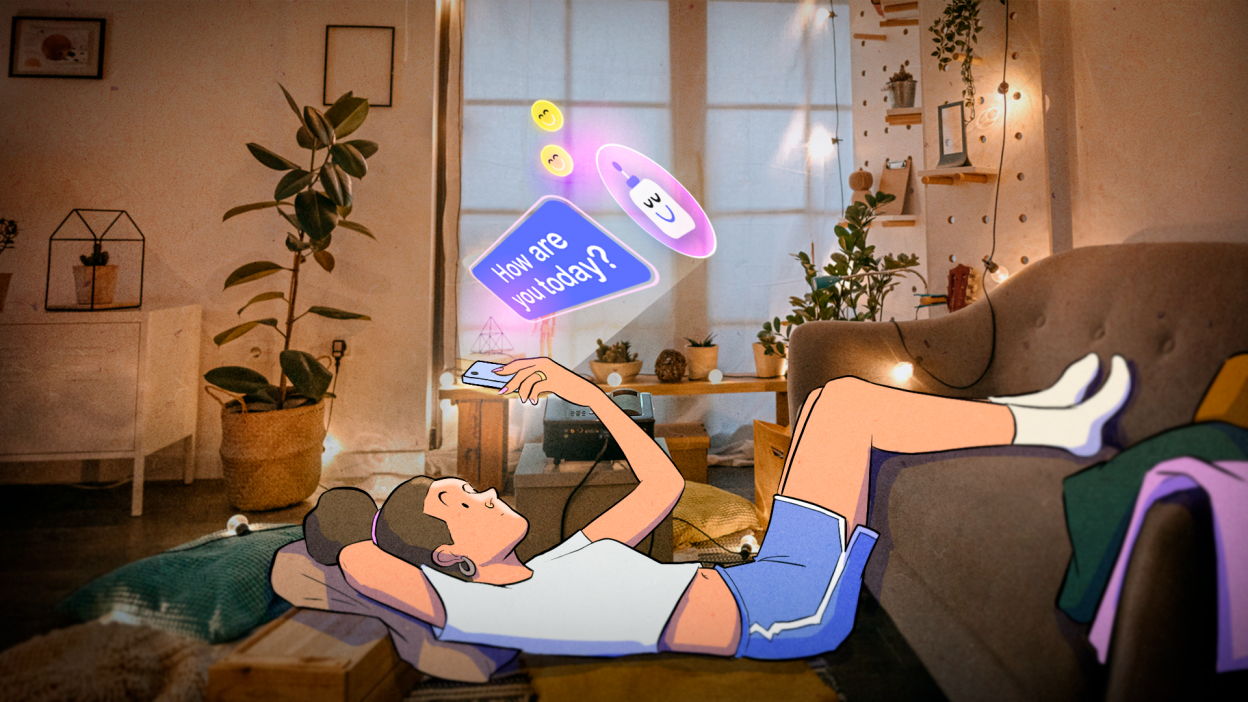
AI companions have quietly moved from “internet curiosity” to everyday digital habit. What began as simple chatbots has evolved into services designed for longer conversations, emotional check-ins, playful role-play, and personalised interaction that remembers your preferences over time. For media audiences, this trend sits at the crossroads of technology, culture, and consumer behaviour—raising just as many questions as it answers.
- The cultural shift: from “chatbot” to “companion”
- What people actually use AI girlfriend-style apps for
- The real decision: what “good” looks like
- 1) Conversation flow that doesn’t feel repetitive
- 2) Memory that’s helpful, not creepy
- 3) Clear boundaries and safety design
- 4) Pricing that matches your usage
- Privacy: the question most people forget to ask
- Where Bonza.Chat fits into the wider trend
- A practical “try it without regrets” checklist
- The takeaway for UK readers
In the UK, the conversation has become more nuanced. Some people treat AI companionship as entertainment, like an interactive story that runs whenever you have a spare minute. Others see it as a low-pressure space to vent after a long day, rehearse a difficult conversation, or simply feel less alone while scrolling on the sofa. And of course, there’s a growing market for “AI girlfriend” experiences—platforms that emphasise romantic tone, flirtation, and a sense of continuity from one chat to the next.
But behind the hype, readers deserve clarity: what do these apps actually do, why are they gaining traction now, and what should you look out for before you commit time—or money—to one?
The cultural shift: from “chatbot” to “companion”
Two big changes have pushed AI companions forward.
First, conversation quality has improved. Modern systems can maintain a theme, respond in a more natural rhythm, and feel less like a scripted FAQ. Even when you know you’re talking to software, the interaction can be surprisingly smooth.
Second, “personalisation” has become the selling point. People don’t just want a clever reply; they want a chat that feels consistent—where the tone, memory, and character stay coherent. That’s why many platforms now focus on features like saved preferences, recurring storylines, and character customisation.
From a media lens, it’s not hard to see the appeal. Social platforms trained us to fill small gaps in the day with content. AI companions fill those same gaps, but with something interactive—something that talks back.
What people actually use AI girlfriend-style apps for
Despite the headline-grabbing framing, the real usage tends to be broader than romance alone. Common patterns include:



Light entertainment and roleplay. Users create characters with a specific vibe—sweet, sarcastic, supportive, mysterious—and treat the chat like an interactive series. It’s not “replacing” anything; it’s a new form of storytelling.
Decompression and routine. Some people open an AI chat the way others open a puzzle game. A few minutes of conversation can become a daily habit—especially late at night, when friends are offline.
Confidence practice. There’s a practical side too: practicing small talk, testing how to word something, or building comfort with conversation without fear of embarrassment.
Emotional support—within limits. Many users describe AI companions as a calming presence. That said, no AI should be treated as a substitute for professional mental health support. The healthiest framing is “a tool for comfort and reflection,” not “a therapist.”
The real decision: what “good” looks like
If you’re evaluating an AI girlfriend-style experience, the best question isn’t “Which one is famous?” It’s “Which one matches how I’ll actually use it?”
Here are the factors that matter most:
1) Conversation flow that doesn’t feel repetitive
The quickest way a platform loses you is by repeating phrases, dodging questions, or looping into generic replies. Look for services that feel responsive and specific, especially after you change topics.
2) Memory that’s helpful, not creepy
“Memory” can mean different things. In a good experience, it helps the conversation feel continuous—remembering your preferred nickname or the tone you like. But it should also be controllable: users should be able to reset, delete, or manage what’s saved.
3) Clear boundaries and safety design
Even in playful, romantic chats, responsible platforms need guardrails: privacy clarity, moderation where required, and straightforward account controls.
4) Pricing that matches your usage
Some people chat occasionally; others spend an hour a day. A fair price depends on how often you’ll use it. If you’re just curious, it’s reasonable to start with a free tier or a short trial before subscribing.
Privacy: the question most people forget to ask
If there’s one area where readers should slow down, it’s privacy.
AI companions aren’t like a standard news app. The value comes from what you type—your feelings, routines, preferences, and personal stories. Before signing up, take a moment to look for:
- Whether the service explains what data it stores and why
- Whether you can delete conversations or close your account easily
- Whether there are clear policies around sensitive content
- Whether the platform gives guidance about what not to share
This doesn’t have to be scary; it just needs to be deliberate. Treat an AI companion like any other online service you talk to regularly: convenient, but not a vault for your most private information.
Where Bonza.Chat fits into the wider trend
Across the category, platforms are competing on “realism”: better conversation, better continuity, and a smoother mobile experience. Bonza.Chat positions itself around relationship-style interaction and ongoing conversations that aim to feel consistent over time, which aligns with what many users want from an AI girlfriend experience.
For readers who like comparing options through a single, straightforward overview, this guide to the top ai girlfriend apps lays out key considerations in one place.
The bigger point is the shift itself: we’re watching AI companions move into the same consumer space as streaming subscriptions and mobile games—something people try casually, then keep if it clicks. In that sense, Bonza.Chat is part of a broader market that’s maturing quickly rather than a one-off novelty.
A practical “try it without regrets” checklist
If you’re curious but cautious, a sensible approach is:
Start small. Try short sessions over a few days. See if it adds value or just eats time.
Keep expectations realistic. An AI companion can be engaging, comforting, and fun—but it’s still software. It won’t replace real-life relationships, and it shouldn’t be treated as a clinical support system.
Protect your personal details. Avoid sharing sensitive information you wouldn’t put into a normal app chat.
Watch your spending. If you subscribe, do it intentionally—because you’re using it, not because you got nudged by novelty.
The takeaway for UK readers
AI companion culture is likely to keep growing, not because it’s “better than people,” but because it’s always available, low-pressure, and shaped around individual preference. For media audiences, that’s the real story: an emerging consumer behaviour—part entertainment, part routine, part emotional utility—becoming mainstream.
Used thoughtfully, AI companions can be a modern form of interactive downtime. The best experiences are the ones that respect the user: clear settings, reasonable privacy controls, and conversations that feel genuinely engaging rather than endlessly generic. And as the category matures, readers will increasingly judge these platforms the way they judge any digital service: not by hype, but by whether it fits into real life.