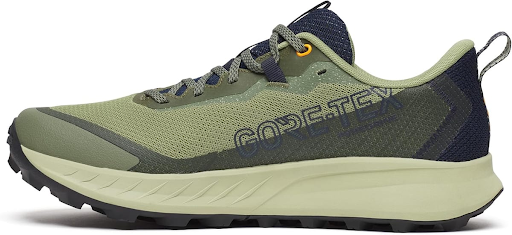
Running in wet or unpredictable weather does not have to mean ending a workout early. The right pair of shoes can help keep your feet more comfortable while providing the grip, cushioning, and support needed for different running conditions. For women who regularly run outdoors, choosing waterproof running shoes involves more than simply looking for a water-resistant label.
From fit and breathability to traction and durability, several factors can make a noticeable difference in how a shoe performs on the road or trail.
Start With the Right Fit
A comfortable fit should be the priority when choosing running shoes. Feet can swell slightly during longer runs, so shoes should have enough room in the toe box to allow your toes to spread naturally without letting your foot slide around.
The heel should feel secure without excessive pressure, while the midfoot should provide supportive but comfortable contact. Women should also consider their individual foot shape rather than choosing a shoe based solely on appearance or brand.
Try shoes with the socks you normally wear for running. If possible, walk or jog in them before making a decision. A good fit can help reduce friction, hot spots, and discomfort over longer distances.
Consider Waterproofing and Weather Conditions
Waterproofing is particularly useful when running through rain, wet grass, puddles, or damp trails. However, not every waterproof shoe provides the same level of protection.
Some models use waterproof membranes designed to prevent water from entering while allowing a limited amount of moisture vapor to escape. Others offer water-resistant treatments that may work well in light rain but provide less protection during prolonged exposure.
Think about the conditions you normally encounter. A runner who frequently trains during heavy rain may want stronger waterproof protection, while someone dealing mostly with occasional showers may prefer a lighter construction with greater breathability.



For a useful comparison of available options and features, this guide to waterproof running shoes for women can help narrow down the choices based on different running needs.
Don’t Overlook Breathability
Waterproof protection can sometimes reduce airflow, which makes breathability an important consideration. Feet can become warm and sweaty during exercise, even in cold weather.
Look for shoes that balance water protection with ventilation. A breathable upper or moisture-managing interior can help reduce the damp feeling caused by sweat. This is especially important for longer runs when your feet remain inside the shoes for an extended period.
The ideal combination depends on the climate. Cold, wet conditions may call for more protection, while mild and humid weather can make breathability a higher priority.
Check Traction for Your Running Surface
Wet surfaces can become slippery, so outsole traction matters. Road runners may need reliable grip on wet pavement, sidewalks, and painted surfaces, while trail runners often require deeper or more varied tread patterns.
If you regularly switch between roads, gravel paths, and light trails, consider a versatile outsole rather than choosing a shoe designed for only one surface.
Traction should also match the weather you expect to encounter. A tread pattern that performs well on damp pavement may not provide the same confidence on muddy or loose terrain.
Choose Cushioning Based on Your Running Style
Cushioning affects comfort, impact management, and how a shoe feels throughout a run. However, more cushioning is not automatically better.
Some runners prefer a softer, more cushioned ride for longer distances, while others enjoy a firmer and more responsive feel. Consider your typical mileage, running pace, and preferred surface when evaluating cushioning.
A shoe should feel comfortable without making your stride feel unstable. If possible, test different cushioning levels to determine which feels natural underfoot.
Look for Durable Construction
Running in wet conditions can place additional demands on footwear. Water, mud, grit, and repeated cleaning can gradually affect materials and adhesives.
Pay attention to the quality of the upper, outsole, stitching, and protective overlays. A durable outsole is particularly useful for runners who train frequently or regularly encounter rough surfaces.
Remember that even a well-built waterproof shoe has a limited lifespan. Replacing shoes when the tread is worn or cushioning has noticeably deteriorated can help maintain comfort and performance.
Match the Shoe to Your Routine
The best waterproof running shoe is ultimately the one that fits your individual routine. Consider where you run, how often you train, the weather you encounter, and whether you need one pair for several types of terrain.
For city runners, lightweight construction, dependable traction, and comfort on pavement may matter most. Trail runners may prioritize stronger tread, durability, and protection from mud and uneven ground.
Final Thoughts
Choosing waterproof running shoes is about finding the right balance rather than focusing on one feature. A secure fit, comfortable cushioning, dependable waterproofing, adequate breathability, and appropriate traction can all contribute to a better outdoor running experience.
Before buying, think about your usual weather and running surfaces, then select footwear that matches those conditions. With the right combination of protection, comfort, and durability, wet-weather runs can remain a practical part of your regular fitness routine. For runners looking to explore more options, visit WaterproofSole.com for a variety of waterproof shoes suited to different outdoor needs.