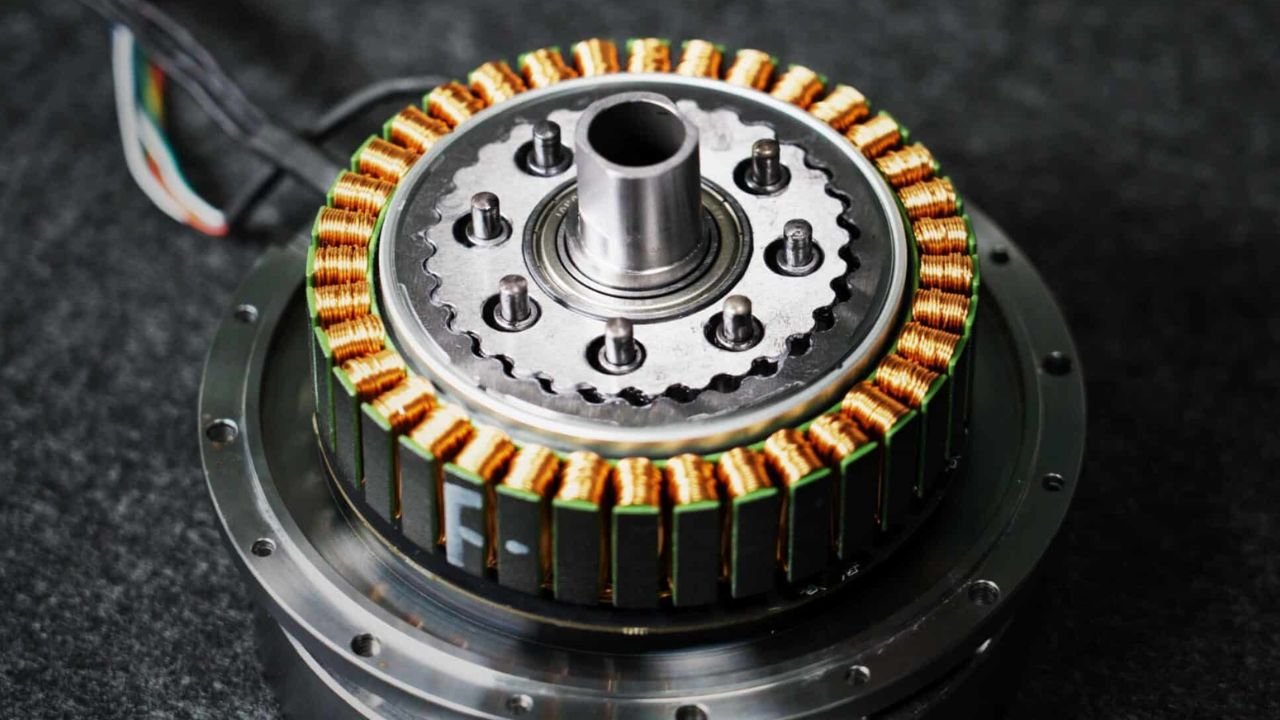
With the development of robotics and automation, engineers request smaller but more potent movement solutions. A major technology that has become a key technology in this transformation is the high-torque-density actuators. Torque density is the amount of torque an actuator can generate in regard to weight or size. Being able to provide high torque without increasing bulk in an actuator allows designers to come up with light, nimble, and efficient machines. In both medical rehabilitation and industrial automation, the high-torque-density Robotic Actuator is widely used for activities that require power, precision, and space efficiency.
Exoskeleton Systems and Wearable Robotics
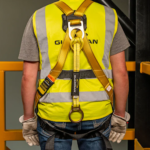
Wearable robotics, especially exoskeleton systems, is one of the most effective fields of high-torque-density actuators. The use of these devices is aimed at supporting human strength, rehabilitating, or restoring mobility. Due to the direct application of exoskeletons on the body, every gram of weight counts. Large or heavy-weight actuators would decrease comfort and add to fatigue and impact on user safety.
Exoskeleton joints can be enabled with high torque density actuators and produce enough force to enable lifting, walking, or rehabilitation exercises, and are lightweight and compact. The capability of the generation of good torque output in a reduced size assures natural movement patterns and easier joint support. In medical rehabilitation, the ability to have very accurate motion control as well as dependable torque output is advantageous to the patient with regard to improving the outcome of the therapy. Wearable systems driven by small high-torque actuators are used in industrial or military applications to reduce strain and eliminate injuries without limiting movement.
Quadruped and Humanoid Robots
Joint actuators are required to be exceptionally good on legged robots. In the exploratory quadruped robots or the humanoid robots employed in research and service operations, the joints need to produce quick bursts of torque so that they can keep the balance, achieve shock absorption, and perform dynamic tasks.
Another aspect that is useful with these systems is the use of high torque density actuators that can provide high joint output without significantly increasing the mass of the robot. A lightweight robot has the advantage of using less power and having greater agility. Actuators are required to operate instantly and provide high torque during jumping, climbing, or running activities. Smaller, high-density structures also enable direct integration of actuators into joint modules, which ease mechanical layouts and enhance durability.
Robots that are to be used in difficult environments or rescue operations are in need of dependable power-to-weight interplay in order to move in a manner. The high-density actuators are important in high torque density with stability, energy, and a high payload capacity, and they are vital in advanced legged robotics.
Collaborative Robotic Arms
Cobots, also known as collaborative robots, are also created to work safely with human laborers. These robot arms need to be strong and precise, with a small footprint that fits the factories, laboratories, or assembly lines.
Robotic arms can lift heavier loads with high torque density actuators that do not need to increase the size of the joint. This small size also increases the working space efficiency, as well as minimizes mechanical inertia, contributing to motion control and responsiveness. In other uses like electronics assembly, packaging, and precision manufacturing, proper torque control is needed to be delicate on the handling of the parts and at the same time supports heavier operations when required.



Moreover, small high-torque actuators enhance the total safety image of collaborative robots. Smaller body parts have lower inertia, and they can respond more rapidly to sudden contact, hence reducing risk. The combination of high-performance but low-weight actuators enables manufacturers to create robotic arms that perform better in a smaller installation space.
Autonomous Guided Vehicles and Mobile Platforms
Industrial autonomous guided vehicles and mobile robot platforms are based on an effective drive system that will move goods, navigate paths through warehouses, and maneuver within the industries. The weight that is being carried by these vehicles is usually high, and thus a lot of torque is needed at the wheels or drive train.
The actuators offer high torque density, which offers the required power output but saves space and minimizes the weight of the vehicle. Smaller drive modules will translate to better battery efficiency and longer working time. Energy efficiency is a big plus in warehouse automation, in which the robots are required to work around the clock.
Also, the small high-torque actuators make it easier to integrate drives. Engineers are able to develop uncomplicated platforms and reduce the ground clearance and weight distribution. This will help in increasing the maneuverability, acceleration, and reliability during the strict operational cycles.
Aerospace and Defense Applications
One of the highest priorities of the aerospace and defense systems is weight reduction. The actuators of aircraft subsystems, unmanned aerial vehicles, and robotic inspection units must offer a high level of torque, without any unwarranted increase in mass. Large torque density actuators fulfill such a requirement by providing a large output in small and lightweight packages.
Actuators within aerospace robotics are used to control flaps, landing gear mechanisms, and inspection arms. Each kilogram saved will be fuel-efficient and increase the payload capacity. Likewise, compact high-torque actuators are used in defense robotics to improve mobility and mission flexibility. The fact that they can endure dynamic loads and yet maintain great control renders them invaluable in serious settings.
Medical and Surgical Robotics
Another area that is finding great applications of high torque density actuators includes medical robotics. One of the applications of surgical robots is their requirement as highly maneuverable assemblies. The torque requirements can be different, but since high torque capacity can be achieved in a small size factor, versatile instrument control can be achieved without increasing the robotic structure.
Actuators in rehabilitation apparatus and aid technologies need to deliver a reasonable force, which will secure patients. Small in size, the designs improve the ergonomics and usability of the device in a clinical environment. High torque density solutions will guarantee strength and fine motion control to enhance patient comfort and the effectiveness of the treatment.
Conclusion
The high torque density actuators are placed as a basis of innovation in robotics and automation. This technology is most advantageous to applications that require excellent production, smaller design, and low power. Exoskeletons and quadruped robots, collaborative arms, mobile platforms, industrial machines, aerospace, and medical devices are just a few examples of applications of these actuators that have helped engineers to do more with less space and weight.
As robotic systems become more complex and performance requirements keep increasing, high torque density actuators will be at the center of the improvement of capability without sacrificing either efficiency or design flexibility.