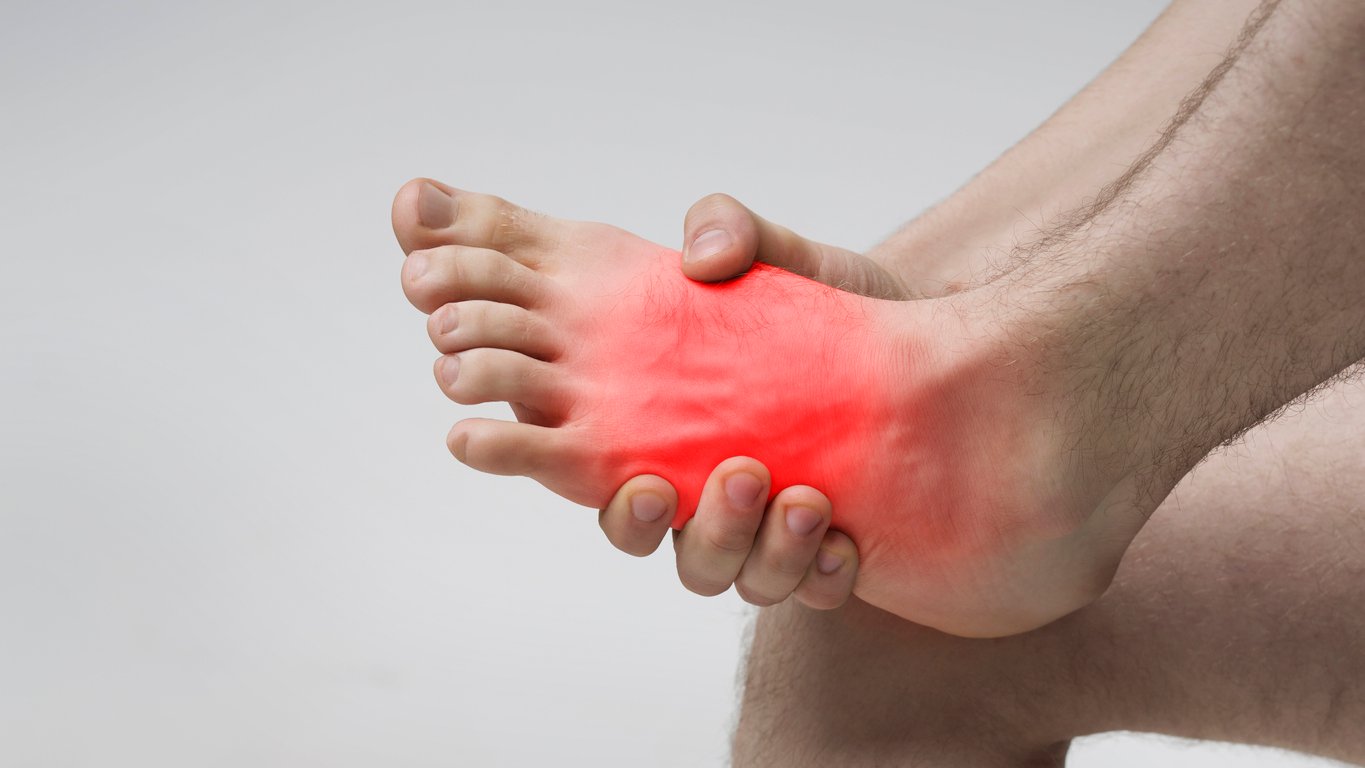
Top of foot pain can be an annoying and disruptive experience, often catching us off guard. Whether you’re an athlete pushing your limits or someone simply going about daily activities, this discomfort can hinder movement and quality of life. You might feel a sharp ache, a dull throb, or even swelling that makes every step uncomfortable. Understanding what causes this pain is crucial for managing it effectively.
In this guide, we’ll explore the ins and outs of top of foot pain — from its common causes to practical treatment options. We’ll also share tips on prevention and lifestyle changes that promote healing. Say goodbye to discomfort as you learn how to take control!
Understanding Top of Foot Pain
Top of foot pain often arises from various underlying issues, making it essential to recognize its nature. The area is rich in tendons, ligaments, and bones that can become irritated or injured.
Pain may manifest as a sharp sensation during movement or a persistent ache at rest. Factors such as overuse, injury, or even improper footwear can contribute significantly.
Conditions like extensor tendonitis arise when the tendons on top of the foot become inflamed. This inflammation creates discomfort and limits mobility.
Another common culprit is stress fractures caused by repetitive impact activities. They occur when the bones are subjected to excessive pressure without adequate recovery time.
Understanding these aspects helps pinpoint potential causes and guides effective management strategies for relief and recovery.
Common Causes of Top of Foot Pain
Top of foot pain can stem from various underlying issues. One common cause is tendonitis, where the tendons become irritated and inflamed due to overuse or repetitive stress. This often affects athletes or those who engage in high-impact activities.



Stress fractures are another culprit. These tiny cracks in the bones occur from excessive force, particularly during running or jumping exercises. They may manifest as a dull ache that worsens with activity.
Ill-fitting footwear can also lead to discomfort on the top of your foot. Shoes that pinch or don’t provide adequate support can create pressure points, resulting in pain after extended wear.
Conditions like arthritis may contribute to chronic soreness. Inflammation within the joints can radiate pain throughout the foot’s structure, making movement difficult and uncomfortable for many individuals experiencing this issue.
How to Prevent Top of Foot Pain
Preventing top of foot pain often starts with choosing the right footwear. Opt for shoes that provide adequate support and cushioning. Avoid high heels or overly flat shoes, as they can strain your feet.
Incorporating stretching exercises into your routine is essential. Focus on your calves, hamstrings, and the tops of your feet to enhance flexibility. A few minutes daily can make a significant difference.
Pay attention to how you walk and run. Proper gait mechanics reduce stress on the top of your foot. If you’re unsure about yours, consider consulting a specialist for advice.
Additionally, gradually increase physical activity levels to avoid overuse injuries. Listen to your body; if you feel discomfort while exercising, take breaks.
Maintaining a healthy weight helps alleviate excess pressure on your feet throughout daily activities.
Treatment Options for Top of Foot Pain
When dealing with top of foot pain, various treatment options can provide relief. Rest is crucial. Minimizing activity allows your feet to heal.
Ice therapy is effective too. Applying ice can reduce swelling and numb discomfort. Just remember to wrap the ice in a cloth to protect your skin.
Over-the-counter pain relievers offer additional support for managing pain and inflammation. Nonsteroidal anti-inflammatory drugs (NSAIDs) like ibuprofen can be particularly helpful.
Physical therapy might be beneficial if the pain persists. A qualified therapist can create a tailored exercise plan that strengthens the surrounding muscles and improves flexibility.
In more severe cases, custom orthotics could alleviate pressure on painful areas by providing better arch support and cushioning.
If conservative treatments fail, consult a healthcare professional about possible injections or surgical options designed specifically for persistent foot issues.
When to Seek Medical Attention for Top of Foot Pain
Recognizing when to seek medical attention for top of foot pain is crucial. If the discomfort persists despite rest and home treatments, it may be time to consult a healthcare professional.
Accompanying symptoms can also signal a need for immediate care. Swelling, bruising, or redness around the affected area should not be ignored. These signs might indicate an underlying injury that requires further evaluation.
If you experience severe pain that hinders your ability to walk or perform daily activities, don’t delay in seeking help. Additionally, if you notice numbness or tingling spreading from the foot into your leg, consider this a warning sign needing prompt assessment.
Any history of significant trauma leading to foot pain warrants a visit to your doctor. Addressing these concerns early can prevent complications and promote effective recovery strategies tailored just for you.
Lifestyle Changes to Relieve Top of Foot Pain
Making simple lifestyle changes can significantly reduce top of foot pain. Start by incorporating gentle stretching exercises into your daily routine. Focus on the muscles surrounding your feet and ankles to improve flexibility.
Choosing appropriate footwear is vital. Opt for shoes that provide ample support and cushioning, avoiding those with high heels or narrow toe boxes.
Pay attention to your activity levels. If you find yourself standing or walking for extended periods, take regular breaks to sit down and relieve pressure from your feet.
Maintaining a healthy weight can also help alleviate unnecessary strain on your feet. Consider adopting a balanced diet rich in anti-inflammatory foods like fruits, vegetables, and whole grains.
Remember the importance of rest. Listen to your body when it needs a break from physical activities; this will promote healing and prevent further discomfort.
Conclusion
Top of foot pain can be a frustrating and uncomfortable experience. Understanding its causes is the first step towards relief. Common issues range from overuse injuries to structural problems in the foot, which can easily disrupt daily activities.
Preventing this type of discomfort involves maintaining proper footwear, stretching regularly, and avoiding excessive impact activities. If you do find yourself suffering from top of foot pain, several treatment options are available such as rest, ice therapy, and targeted exercises to strengthen your feet.
It’s essential to listen to your body; if symptoms persist or worsen despite self-care measures, seeking medical attention is advisable. A healthcare professional can provide tailored advice based on individual circumstances.
Incorporating lifestyle changes that promote overall foot health will also aid in managing any existing discomfort. Simple adjustments like improving posture while walking or incorporating specific strengthening exercises into your routine can make a significant difference.
Navigating top of foot pain doesn’t have to be overwhelming when armed with knowledge about prevention and effective treatments.