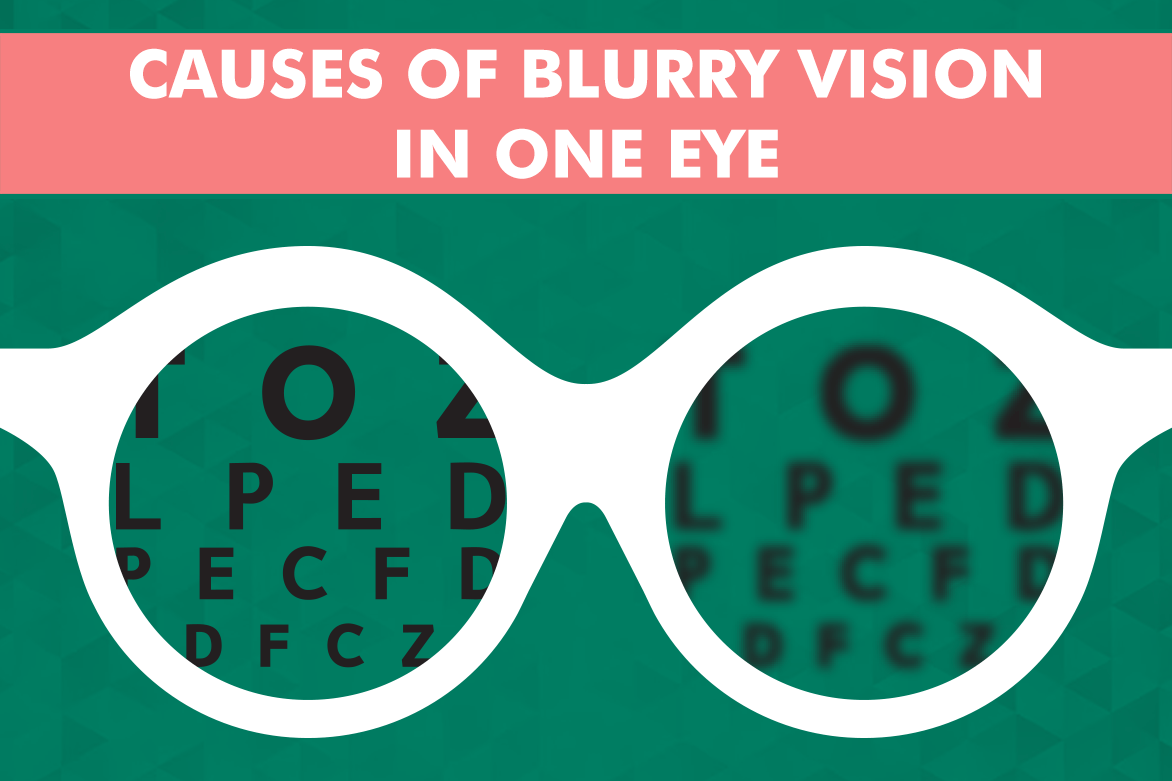
Introduction to Blurry Vision
Blurry vision in one eye can be disconcerting and frustrating. Imagine trying to read a sign or recognize a face, only to find everything appearing hazy or out of focus. It’s not just an annoyance; it can signal underlying health issues that need attention. Understanding why this happens is crucial for maintaining your overall eye health.
- Introduction to Blurry Vision
- Understanding the Difference Between Blurry Vision in One Eye vs. Both Eyes
- Common Causes of Blurry Vision in One Eye:
- – Refractive Errors
- – Dry Eyes
- – Cataracts
- – Glaucoma
- – Diabetes
- – Age-related Macular Degeneration (AMD)
- Less Common Causes:
- – Retinal Detachment
- – Optic Neuritis
- – Migraine Headaches
- Treating Blurry
- Conclusion
- FAQs
Our eyes are intricate organs, and many factors can lead to this visual disruption. From simple refractive errors to more serious conditions involving the retina or optic nerve, there’s a wide spectrum of causes behind blurry vision in one eye. If you’ve noticed changes in your eyesight, you’re not alone—and addressing them promptly is essential! Let’s explore some common culprits that could be affecting your vision clarity and what you can do about it.
Understanding the Difference Between Blurry Vision in One Eye vs. Both Eyes
Blurry vision can manifest in different ways, and understanding the distinction between one eye versus both eyes is essential. When only one eye experiences blurriness, it may signal localized issues that require attention.
Commonly, a single eye’s distortion could stem from refractive errors like astigmatism or nearsightedness. These conditions typically disrupt how light enters the eye.
On the other hand, when both eyes are affected, it often suggests systemic problems such as cataracts or diabetes-related retinopathy. This broader impact usually indicates a more significant concern.
Paying attention to accompanying symptoms also plays a vital role in identifying potential causes. If you experience sudden changes in vision with either scenario, seeking immediate professional advice is crucial for proper diagnosis and treatment.
Common Causes of Blurry Vision in One Eye:
Blurry vision in one eye can stem from various conditions. One common cause is refractive errors, like nearsightedness or farsightedness. These issues arise when the shape of your eyeball changes, affecting focus.
Dry eyes can also play a significant role. Insufficient tears lead to discomfort and blurred sight, especially after prolonged screen time.


Cataracts cloud the lens of the eye over time. This gradual change often results in dimmed vision that may appear blurry.
Glaucoma is another concern, where increased pressure damages the optic nerve. It frequently starts with peripheral vision loss before moving inward.
Diabetes complicates matters too; diabetic retinopathy can distort sight due to blood vessel damage in the retina.
Age-related macular degeneration (AMD) typically affects older adults and leads to central vision blurriness while keeping peripheral vision intact.
– Refractive Errors
Refractive errors are among the most common causes of blurry vision in one eye. They occur when the shape of your eye prevents light from focusing directly on the retina. This can result in blurred or distorted images.
The three main types are myopia, hyperopia, and astigmatism. Myopia, or nearsightedness, makes distant objects appear fuzzy while close ones remain clear. Hyperopia, conversely, affects near vision and can cause distant objects to appear clearer than those up close.
Astigmatism leads to overall distortion due to an irregularly shaped cornea or lens. It often coexists with other refractive issues.
Many people may not realize they have a refractive error until they undergo a routine eye exam. Corrective lenses like glasses or contact lenses can usually address these problems effectively. For some individuals, laser surgery offers a more permanent solution.
– Dry Eyes
Dry eyes occur when your tear glands don’t produce enough moisture. This lack of lubrication can lead to discomfort and blurred vision in one eye.
When the surface of the eye becomes dry, it often results in irritation. You may experience a gritty feeling or redness alongside the blurriness.
Environmental factors like wind, smoke, or prolonged screen time can worsen this condition. If you spend hours staring at a computer, taking breaks is essential for eye health.
Certain medications and aging also play significant roles in developing dry eyes. Hormonal changes can further complicate matters, especially during menopause.
Treating dry eyes typically involves using artificial tears or other lubricating solutions to restore comfort and clarity. Regular check-ups with an eye care professional are crucial for managing symptoms effectively.
– Cataracts
Cataracts are a common cause of blurry vision in one eye, particularly among older adults. They occur when the lens of the eye becomes cloudy, disrupting light passage.
This cloudiness can lead to significant visual impairment if left untreated. Symptoms often include difficulty seeing at night and sensitivity to bright lights.
As cataracts progress, you may notice that colors seem less vibrant or that glare from headlights becomes overwhelming. These changes can be frustrating and impact daily activities like reading or driving.
Treatment typically involves surgical removal of the cloudy lens, replaced with an artificial one. The procedure is generally safe and highly effective, restoring clarity for many patients almost immediately after surgery.
Regular eye exams are crucial for early detection and management of cataracts before they severely affect your quality of life.
– Glaucoma
Glaucoma is a group of eye disorders that can damage the optic nerve, often due to increased pressure within the eye. This condition typically develops gradually and may not present noticeable symptoms initially.
Blurry vision in one eye can occur as glaucoma progresses. Patients might notice hazy or distorted images, particularly in low light conditions. Peripheral vision loss is another common sign.
There are different types of glaucoma, including open-angle and angle-closure forms. Open-angle glaucoma is more prevalent and usually goes unnoticed until significant damage has occurred.
Early detection through regular eye exams is crucial for managing this condition effectively. Treatment options include prescription medications, laser therapy, or surgery aimed at lowering intraocular pressure and preserving vision over time.
– Diabetes
Diabetes can significantly impact your eyesight. Elevated blood sugar levels may lead to various eye issues, including blurry vision in one eye.
When diabetes affects the blood vessels in the retina, it causes a condition known as diabetic retinopathy. This condition can distort vision and create spots or shadows.
Moreover, high glucose levels may result in swelling of the lens inside your eye. This swelling alters how light focuses on your retina, contributing to blurred vision.
It’s crucial for individuals with diabetes to monitor their blood sugar closely. Regular check-ups with an eye specialist are also essential for early detection and management of potential complications.
If you experience sudden changes in your vision while living with diabetes, seek medical advice promptly. Addressing these symptoms early can help preserve your sight and overall health.
– Age-related Macular Degeneration (AMD)
Age-related Macular Degeneration (AMD) is a leading cause of vision loss, particularly in older adults. It affects the macula, the central part of the retina responsible for sharp, detailed vision.
With AMD, individuals may experience blurry vision in one eye as it progresses. Distorted or dim spots can appear in their visual field. Simple tasks like reading or recognizing faces become increasingly challenging.
There are two types of AMD: dry and wet. The dry form is more common and evolves slowly over time. In contrast, wet AMD can lead to rapid vision loss due to abnormal blood vessel growth beneath the retina.
Regular eye examinations play a crucial role in early detection and management. Lifestyle factors such as diet and smoking cessation also contribute significantly to maintaining eye health as one ages.
Less Common Causes:
While many are familiar with common causes of blurry vision in one eye, some less common culprits can be equally concerning.
Retinal detachment is a serious condition where the retina pulls away from its supporting tissue. This disruption can lead to sudden blurriness and sometimes even flashes of light. Immediate medical attention is crucial to prevent permanent vision loss.
Optic neuritis involves inflammation of the optic nerve. It may cause blurred or dimmed vision in one eye, often accompanied by pain during eye movement. This condition is commonly associated with multiple sclerosis but can occur independently as well.
Migraine headaches can also produce temporary visual disturbances known as aura. These might manifest as flashing lights or areas of blurriness that affect only one side of your field of vision.
Each of these conditions requires prompt evaluation by an eye care professional for appropriate diagnosis and treatment options.
– Retinal Detachment
Retinal detachment is a serious condition where the retina pulls away from its underlying supportive tissue. This separation can lead to permanent vision loss if not treated quickly.
Symptoms often include sudden flashes of light, floaters, or a shadow over your field of vision. If you notice these signs, it’s crucial to seek immediate medical attention.
Risk factors for retinal detachment include severe myopia (nearsightedness), previous eye surgeries, and trauma. People with a family history of this condition are also at higher risk.
Treatment typically involves surgery to reattach the retina. The sooner the intervention occurs, the better the chances of preserving your sight. Regular eye exams can help detect issues early on, making awareness essential for maintaining healthy vision.
– Optic Neuritis
Optic neuritis is an inflammation of the optic nerve, which can lead to sudden blurry vision in one eye. This condition often occurs without warning and might be accompanied by pain, particularly when moving the eye.
The exact cause of optic neuritis isn’t always clear. However, it may be linked to autoimmune disorders like multiple sclerosis. In these cases, the body’s immune system mistakenly attacks its own tissues.
Symptoms can range from mild blurriness to complete vision loss in severe instances. Some individuals also report alterations in color perception or a dimming of their visual field.
Diagnosis typically involves a thorough examination and imaging tests such as MRI scans. Early detection is crucial for effective management and recovery.
Treatment options vary based on severity but often include corticosteroids to reduce inflammation. Regular follow-ups with an eye care professional are essential for monitoring progress and addressing any complications that may arise.
– Migraine Headaches
Migraine headaches can lead to various visual disturbances, including blurry vision in one eye. This symptom often occurs during the aura phase of a migraine attack. Auras are neurological symptoms that may include flashes of light or blind spots.
When a migraine strikes, it can cause temporary changes in the way your brain processes visual information. These alterations may result in blurred images or reduced clarity in one eye specifically.
It’s essential to understand that migraines affect individuals differently. While some might experience significant blurry vision, others may not notice this symptom at all.
If you suspect your blurry vision is linked to migraines, keeping a headache diary could be helpful. Tracking triggers and frequency will provide valuable insights for managing both conditions effectively.
Treating Blurry
Treatment for blurry vision in one eye varies based on the underlying cause. A comprehensive eye exam is essential to determine the root issue.
For refractive errors, prescription glasses or contact lenses can often restore clarity. Regular check-ups ensure that prescriptions remain accurate as your vision changes over time.
Dry eyes may benefit from artificial tears or moisture-boosting treatments. Addressing environmental factors, like reducing screen time and using a humidifier, can also help.
Cataracts might necessitate surgical intervention if they significantly impair daily activities. Early detection and timely treatment lead to better outcomes.
Managing chronic conditions like diabetes requires consistent monitoring of blood sugar levels. This not only improves overall health but also helps maintain stable vision.
In cases of retinal detachment or optic neuritis, prompt medical attention is crucial to prevent lasting damage and preserve visual function.
Conclusion
Blurry vision in one eye can be concerning. It’s essential to identify the underlying causes, as they can vary widely. Immediate attention may be necessary for some conditions.
Regular eye exams play a crucial role in maintaining good vision health. Catching issues early often leads to more effective treatment options.
If you experience persistent blurry vision, don’t hesitate to consult a healthcare professional. They can provide valuable insights and tailored recommendations based on your situation.
Awareness of symptoms is key. Understanding what might cause these changes empowers individuals to take action sooner rather than later.
Being proactive about eye health contributes significantly to overall well-being. Take charge of your vision today!
FAQs
Blurry vision in one eye can be concerning, and it’s natural to have questions. Here are some common queries regarding this condition:
What does blurry vision in one eye mean?
Blurry vision in one eye refers to a lack of clarity or focus specifically affecting just that eye. It may indicate issues related to the lens, retina, or optic nerve.
Is blurry vision in one eye serious?
It can be. While some causes might not pose significant health risks, others could lead to severe complications if left untreated. Always consult an eye care professional for accurate diagnosis and advice.
How is blurry vision diagnosed?
An optometrist or ophthalmologist will conduct various tests such as visual acuity tests, refraction assessments, and possibly imaging scans like OCT (Optical Coherence Tomography) to identify the cause of blurry vision.
Can dry eyes cause blurry vision in one eye?
Yes, dry eyes can result from several factors including prolonged screen time or environmental conditions. This dryness may affect how well your tears keep the surface of your eyes lubricated and clear.
Are there lifestyle changes that help with blurry vision?
In many cases, maintaining a healthy diet rich in vitamins A and C can support good eyesight. Staying hydrated and taking regular breaks from screens also helps alleviate strain on your eyes.
When should I seek medical attention for my symptoms?
If you experience sudden onset blurred vision accompanied by pain or loss of peripheral sight, it’s crucial to seek immediate medical attention as these could signal more serious problems.
Understanding the nuances surrounding blurry vision is key to managing it effectively. Knowing when it’s time to see a healthcare provider makes all the difference for optimal ocular health.