Introduction to Hair Brush
When it comes to hair care, the right tools can make all the difference. Enter the hair brush—a simple yet essential item that many of us take for granted. Whether you’re looking to detangle, style, or add a little shine, a good brush is your best friend. But with so many options out there, how do you know which one is right for you? This guide will delve into everything you need to know about hair brushes—from their various types and benefits to tips on maintaining them. Get ready to unlock your best hair days yet!
- Introduction to Hair Brush
- Types of Hair Brush
- Benefits of Using a Hair Brush
- How to Choose the Right Hair Brush for Your Hair Type
- Proper Techniques for Using a Hair Brush
- Common Mistakes to Avoid When Using a Hair Brush
- Tips and Tricks for Maintaining Your Hair Brush
- Alternatives to Traditional Hair Brushes
- Conclusion
Types of Hair Brush
When it comes to hair brushes, variety is key. Each type serves a unique purpose tailored to different hair needs.
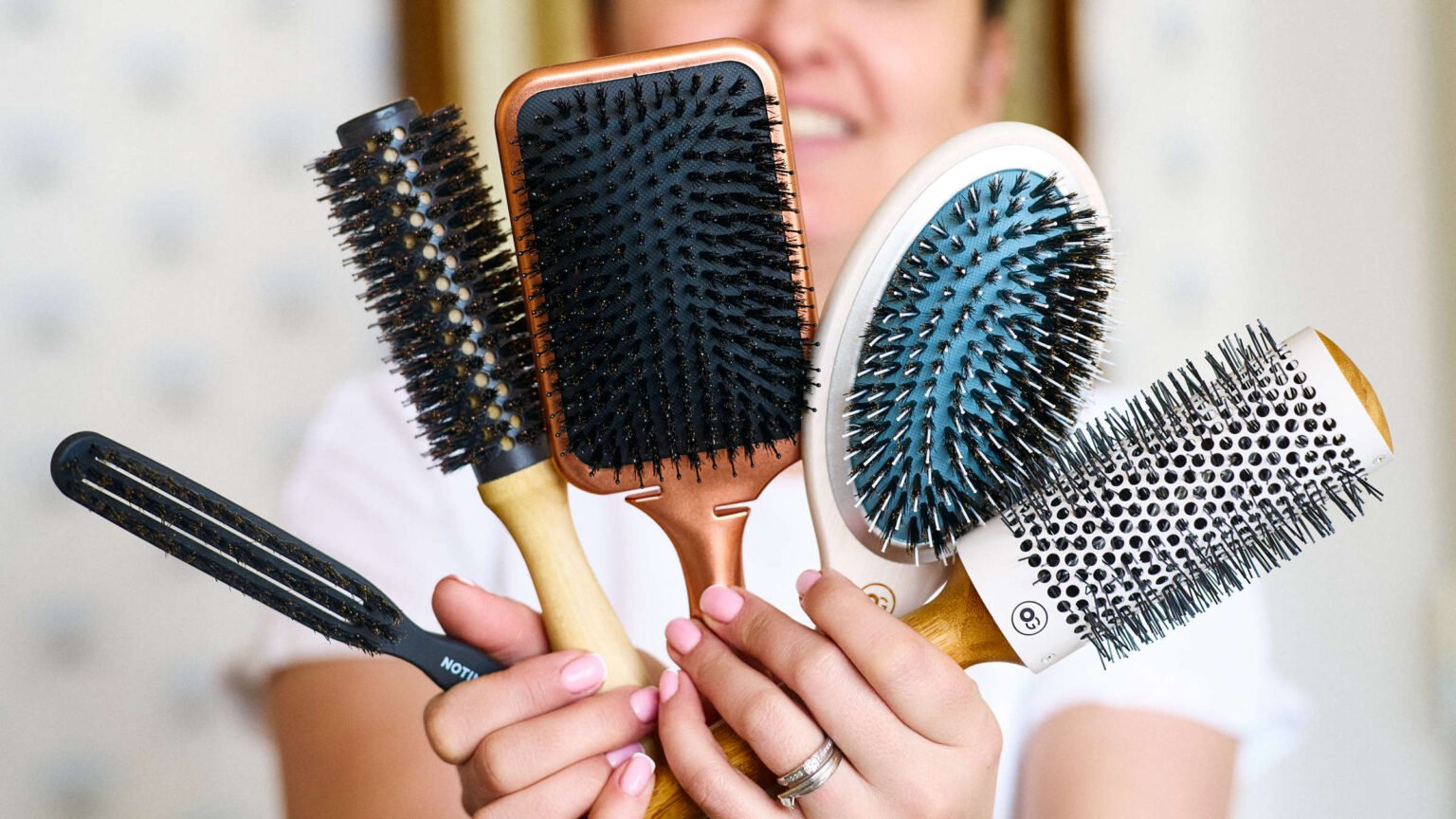
The paddle brush is perfect for detangling long locks and smoothing out frizz. Its wide surface allows for quick styling, making it a favorite among those with straight or wavy hair.
Round brushes come into play during blow-drying sessions. They create volume and curls, thanks to their cylindrical shape which helps lift the roots while you style.
For those with curly tresses, a vent brush can be your best friend. With its widely spaced bristles, it minimizes frizz while allowing air to flow through—ideal for enhancing natural curls without disruption.
The teasing brush adds instant volume at the roots. It features fine bristles designed specifically for backcombing that gives your hair an extra lift when needed most.
Understanding these types empowers you to choose wisely based on your styling goals!
Benefits of Using a Hair Brush
Using a hair brush offers numerous benefits that can transform your hair care routine. First, it helps distribute natural oils from the scalp to the ends of your hair. This not only nourishes each strand but also enhances shine and reduces dryness.



Regular brushing stimulates blood circulation in the scalp. Improved circulation promotes healthier hair growth, strengthening roots and preventing breakage.
Additionally, brushing detangles knots and prevents split ends, making it easier to manage your locks. With less friction during styling, you’ll notice reduced damage over time.
A good brush also allows for styling versatility. Whether you’re aiming for sleek strands or voluminous waves, a well-chosen brush can help achieve various looks effortlessly.
Using a hair brush can be relaxing in itself—it’s often a meditative ritual that encourages self-care amidst our busy lives.
How to Choose the Right Hair Brush for Your Hair Type
Choosing the right hair brush begins with understanding your hair type. For fine or thin hair, opt for a wide-tooth comb or a soft bristle brush to minimize breakage. These tools gently detangle without pulling.
If you have thick or curly hair, look for brushes with sturdy bristles designed to penetrate dense locks. Paddle brushes can help smooth waves and curls effectively.
For those with straight hair, a round brush is perfect for adding volume and shine during blow-drying. It helps create that polished finish many desire.
Consider your styling needs as well. A vented brush works wonders when drying wet hair, while boar bristle options distribute natural oils evenly across strands.
Don’t overlook the size of the handle too; it should feel comfortable in your hand to prevent fatigue during use. Matching your tool to both texture and purpose makes all the difference.
Proper Techniques for Using a Hair Brush
To effectively use a hair brush, start by detangling your hair gently. Always begin at the ends and work your way up to avoid breakage.
Use smooth strokes instead of vigorous pulling. This prevents damage and helps maintain shine.
When brushing wet hair, opt for a wide-tooth comb or a gentle brush designed for damp strands. Wet hair is more fragile and requires extra care.
For added volume, try lifting sections of hair while brushing from the roots downwards. This technique enhances body without causing stress on the strands.
Remember to change your angle occasionally; this will help you reach all areas without tugging.
Don’t forget about sectioning! Dividing your mane into smaller parts makes it easier to manage and style efficiently.
Common Mistakes to Avoid When Using a Hair Brush
Many people underestimate the impact of using a hair brush incorrectly. One common mistake is starting at the roots and pulling through to the ends. This can cause breakage. Instead, begin detangling from the tips, gradually working your way up.
Another pitfall is brushing wet hair with a regular brush. Wet strands are more fragile and can snap easily. Opt for a wide-toothed comb or a brush designed specifically for damp hair.
Using too much force while brushing is also problematic. Gentle strokes are key to maintaining healthy locks without damaging them.
Ignoring cleaning your brush is another error that often goes unnoticed. Build-up of dust, oil, and product can transfer back onto your hair during styling sessions.
Not considering your hair type when choosing a brush leads to issues as well. Different textures require different bristle types for effective styling and care.
Tips and Tricks for Maintaining Your Hair Brush
To keep your hair brush in top condition, start with regular cleaning. Remove hair strands after each use to prevent buildup. This simple act extends the life of your brush.
Wash your brushes weekly. Use warm water and a gentle shampoo or soap. Soak them for a few minutes before rinsing thoroughly. Make sure they’re completely dry before using them again.
Store your brushes properly, preferably upright in a holder to avoid bending bristles. Keep them away from direct sunlight and humidity, which can damage materials over time.
Consider rotating between different brushes if you have multiple types. This not only prolongs their lifespan but also allows you to assess how each one works with various styles and products.
Inspect regularly for any signs of wear and tear like broken bristles or loosened handles—these are indicators that it might be time for an upgrade.
Alternatives to Traditional Hair Brushes
If you’re looking for alternatives to traditional hair brushes, consider wide-tooth combs. They work wonders on wet hair, minimizing breakage and snagging.
Another option is the detangling brush. These specialized tools are designed with flexible bristles that glide through knots without pulling or tearing your strands.
For those who love natural methods, fingers can be quite effective. Using your fingertips to gently separate hair can reduce stress on your locks while promoting a more organic styling experience.
You might also explore paddle brushes made from bamboo or other sustainable materials. They’re not only eco-friendly but often provide a soothing scalp massage during use.
Microfiber towels serve as an alternative drying tool that reduces frizz and enhances shine when used instead of rubbing with regular towels. Embracing these options could transform your hair care routine significantly.
Conclusion
When it comes to maintaining healthy, beautiful hair, the right hair brush can make all the difference. With a variety of options available, understanding the types and their specific benefits becomes essential for achieving your desired look. Choosing the appropriate brush based on your hair type ensures that you are not only styling but also protecting your strands.
Using proper techniques enhances the effectiveness of brushing while minimizing damage. Avoiding common mistakes like excessive pulling or using an inappropriate brush can significantly improve both your styling routine and your hair’s overall health. Additionally, taking care of your brushes is just as important; regular cleaning keeps them in top condition for longer use.
For those seeking alternatives to traditional brushes, there are several innovative tools that provide different results without sacrificing quality care. Whether you’re looking for detangling solutions or specialized styles, exploring these options broadens your choices.
Possessing knowledge about hair brushes empowers you to make informed decisions tailored to meet your unique needs. Embracing this information will help elevate both your hairstyling game and enhance the natural beauty of your locks.