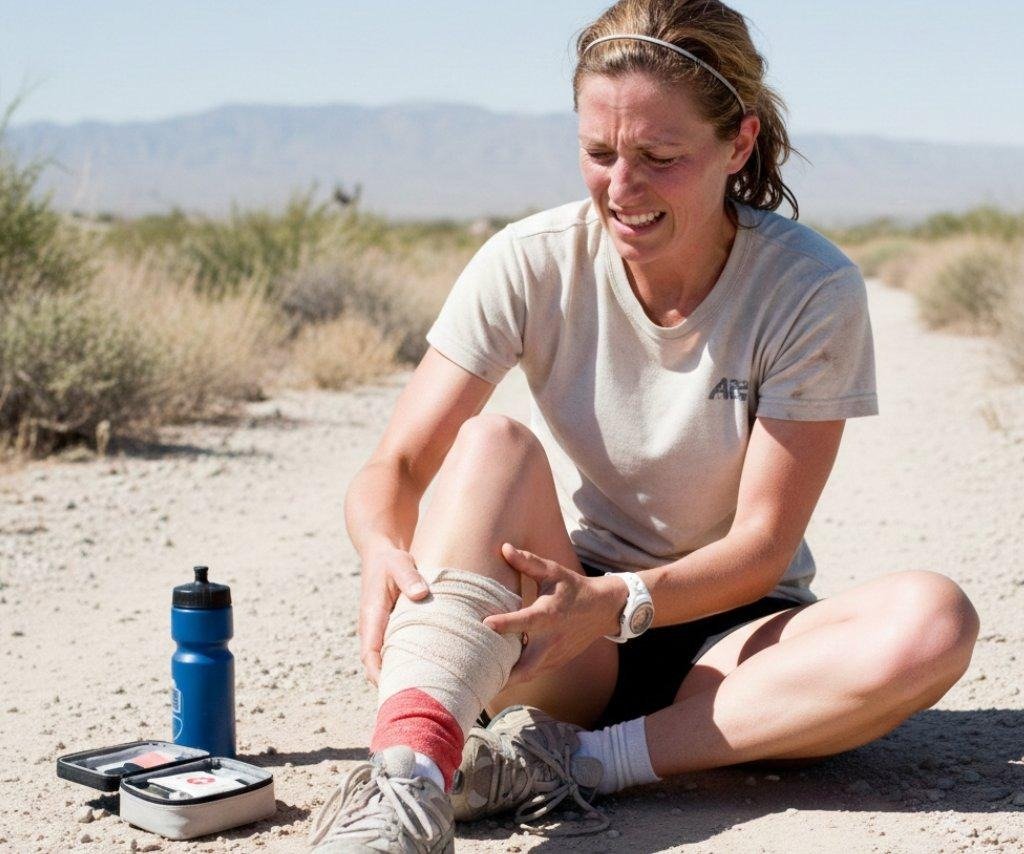
There’s a special kind of frustration that comes with injuring yourself, doing all the right things to recover, getting back to your normal activities, and then having the exact same injury flare up again a few weeks or months later. Maybe it’s your hamstring that keeps straining when you run. Or that ankle you rolled playing netball that seems to give way every few months. Perhaps it’s the shoulder pain that disappears for a while but always comes back when you start lifting weights again.Most people chalk it up to bad luck or accept that they’ve developed a “weak spot” that will always be problematic. You might hear yourself saying things like “my dodgy knee” or “my bad shoulder” as if these body parts are fundamentally flawed and there’s nothing to be done about it.
But here’s what’s actually happening: recurring injuries aren’t random, and they’re not evidence of irreparable damage. They’re your body’s way of telling you that something fundamental hasn’t been addressed. The injury site itself might have healed, but the underlying problem that caused the injury in the first place is still there, quietly waiting to cause trouble again.
Why Injuries Actually Recur
When most people think about injury recovery, they equate “healed” with “pain-free.” The logic seems sound enough. You hurt your ankle, it’s painful for a few weeks, then the pain gradually fades, and once it stops hurting, you’re good to go. Right?
Unfortunately, no. Pain disappearing is a good sign that the acute tissue damage has resolved, but it tells you almost nothing about whether you’ve actually recovered function. Your torn muscle fibres might have knitted back together, your sprained ligament might have formed scar tissue, but that’s only the beginning of true recovery.
Here’s what typically happens during the healing process that sets you up for re-injury. When you hurt something, your body immediately starts protecting that area. You limp to take weight off your injured ankle. You unconsciously avoid using your sore shoulder. You alter your running stride to reduce load on your hamstring. These compensation patterns are helpful in the acute phase, they’re your body’s way of allowing healing to occur.
The problem is that these compensations don’t automatically switch off when the pain goes away. Your brain has learnt a new movement pattern, and it tends to stick with what it knows even after the injury has healed. You might still be limping slightly weeks after your ankle feels fine. Your shoulder might still be moving differently even though it doesn’t hurt anymore. These altered patterns put abnormal stress on your body and create the perfect conditions for re-injury.
Then there’s the issue of scar tissue. When soft tissue heals, it forms scar tissue that’s less flexible and elastic than the original tissue. If you don’t actively work on restoring mobility and flexibility, that area remains stiff and restricted. A stiff, restricted area can’t absorb force properly, which means stress gets transferred somewhere else or the area itself becomes overloaded more easily.
Strength deficits are perhaps the most underestimated factor in recurring injuries. When you’re injured and in pain, you naturally use that body part less. Muscles weaken quickly with disuse, much faster than most people realise. You can lose significant strength in two weeks of inactivity. Even after pain resolves, that strength deficit persists unless you specifically work to rebuild it. A weaker muscle, tendon, or supporting structure is more vulnerable to injury, particularly when you return to demanding activities.



Your body functions as an integrated system, what physiotherapists call a kinetic chain. When one link in that chain is weak or dysfunctional, other links have to compensate. This creates a cascade effect where the “weak link” becomes the site of repeated breakdown. Simply treating the injury site without addressing the whole chain is like fixing a broken link in a rusty chain, it might hold for a while, but it’s going to break again.
The Most Common Recurring Injuries and Their Hidden Causes
Different injuries have characteristic patterns that make them prone to recurrence, and understanding these patterns is key to breaking the cycle.
Ankle sprains are notorious for coming back. When you sprain your ankle, you damage not only ligaments but also the proprioceptive sensors that tell your brain where your foot is in space. This proprioceptive deficit means your ankle doesn’t respond as quickly to unstable surfaces or unexpected movements. You’ve probably heard people say their ankle “gives way” randomly, that’s proprioception loss in action. Without specifically retraining balance and proprioception, your ankle remains chronically unstable even if it feels fine most of the time.
Hamstring strains keep recurring because the hamstring is rarely the actual problem. Most hamstring injuries happen because of poor hip control, weak glutes, or tight hip flexors. Your hamstring ends up overworking to compensate for dysfunction elsewhere in the posterior chain. Treat the hamstring all you want, if you don’t address the hip mechanics and strengthen the glutes, you’ll strain it again as soon as you return to running or kicking.
Lower back pain is perhaps the champion of recurring injuries. It comes back because it’s almost always related to how you move rather than structural damage to your spine. Core dysfunction, poor movement patterns, weak hip stabilisers, tight thoracic spine, these are the usual culprits. People often rest their back until it feels better, then return to the exact same movement patterns that caused the problem. Unsurprisingly, the pain returns.
Shoulder impingement recurs because the rotator cuff muscles that control shoulder movement get weak or imbalanced, and the scapula (shoulder blade) stops moving properly. When your scapula doesn’t glide correctly, you get abnormal contact between bones in the shoulder, which causes inflammation and pain. Rest might settle the inflammation, but unless you restore proper scapular control and rotator cuff strength, the abnormal mechanics persist.
Runner’s knee, that nagging pain around the kneecap, usually stems from hip weakness rather than any actual problem with the knee. When your hip stabilisers are weak, your knee collapses inward with each stride, creating abnormal tracking of the kneecap. The knee is simply the victim of poor mechanics further up the chain. Sports Physiotherapists at Applied Motion frequently see runners who’ve had multiple episodes of knee pain, and in most cases, the solution lies in hip strengthening rather than treating the knee directly.
Plantar fasciitis loves to return because people focus on the heel pain but ignore the factors that created the overload in the first place. Weak foot intrinsic muscles, tight calves, poor load management, these issues don’t resolve themselves when the pain settles. Jump back into running or standing all day without addressing these factors, and the plantar fascia gets overloaded again.
The pattern across all these injuries is consistent: local symptoms, systemic problem. The place that hurts is often not the place that needs the most attention.
The Rehabilitation Gap
Most people’s approach to injury recovery looks something like this: rest, maybe apply some ice if it’s acute, wait until the pain stops, then cautiously return to normal activities. If it still hurts, rest a bit more. Once it feels fine, carry on as if nothing happened.
This approach misses the entire middle section of rehabilitation where the real work happens. Pain reduction is the easy part, your body does that naturally with time. The hard part is addressing why the injury happened and rebuilding the capacity to handle the demands you’re going to place on that body part.
Proper rehabilitation involves progressive loading and specific strength work. You need to gradually reintroduce stress to the healing tissues in a controlled way that stimulates adaptation without causing re-injury. This is a delicate balance that requires careful planning, not guesswork.
Movement quality matters far more than pain levels when determining if you’re ready to return to activity. You might be pain-free but still moving poorly. That poor movement is a ticking time bomb. Physiotherapists assess things like symmetry, control, strength, and endurance, not whether something hurts today.
Here’s an uncomfortable truth: physiotherapy shouldn’t end when you feel better. It should end when you’ve restored function, strength, and movement quality, and when you’ve built enough resilience to handle the demands of your activities. Feeling better is a milestone, not the finish line.
The graduated return to activity is where many people stumble. There’s a tendency to go from complete rest to full activity with little in between. You’ve been off running for six weeks with a calf strain, you test it out with a gentle jog and it feels fine, so the next week you’re back to your normal 10k runs. This dramatic spike in load often triggers re-injury because your tissues haven’t had time to adapt to the increasing demands.
The team at Applied Motion recently worked with a recreational footballer who kept straining his groin every season. He’d rest for a few weeks until it felt better, then return to full training. By the time they assessed him properly, they found significant hip weakness and poor adductor strength on the injured side. Once they addressed these deficits with a proper strengthening program and gradually built his capacity over several weeks, he completed his first full season without injury in three years. The groin itself was fine, it had healed months ago. The problem was everything around it that hadn’t been addressed.
Breaking the Cycle
If you’re caught in a pattern of recurring injuries, breaking free requires a different approach than whatever you’ve been doing. Here’s what actually works.
Start with a proper assessment to identify root causes. This means looking beyond the injury site to understand what’s happening throughout your kinetic chain. A good assessment examines strength, flexibility, movement patterns, biomechanics, and training loads. You’re looking for the “why” behind the injury, not another diagnosis of the symptoms you already know about.
Complete the rehabilitation process, not stopping at pain-free. This means continuing with your exercises and progressions until you’ve restored full strength, range of motion, and movement quality. For many injuries, this takes weeks or even months beyond when pain resolves. It’s not exciting, but it’s necessary.
Address compensatory patterns and movement quality explicitly. This often requires hands-on treatment to restore mobility, specific exercises to retrain movement patterns, and conscious attention to how you’re moving during daily activities. Your brain needs to relearn efficient movement patterns, which takes practice and repetition.
Build resilience through progressive strength training. The goal isn’t getting back to where you were before the injury, it’s becoming stronger and more capable than you were. This creates a buffer of capacity that makes you more resistant to future injury. Think of it as bulletproofing your vulnerable areas.
Modify training and activity loads appropriately. Many recurring injuries happen because people return to the same training volume or intensity that contributed to the original injury. If you got injured running 50 kilometres a week, returning to 50 kilometres a week without changing anything else is asking for trouble. You need to either build more capacity to handle that load or reduce the load to match your current capacity.
Maintain strength work even after recovery. One of the biggest mistakes people make is stopping their rehabilitation exercises once they feel better. The strength and control you’ve built needs to be maintained, not abandoned. This doesn’t mean doing rehab exercises forever, but it does mean incorporating strength and mobility work into your regular routine permanently.
Avoid the “weekend warrior” pattern of doing nothing all week then going hard on the weekend. Sporadic high loads with inadequate preparation are a recipe for injury. Consistency matters more than intensity for building durable, resilient tissues.
Warning Signs You’re Headed for Re-Injury
Your body usually gives you warning signals before an injury recurs. The trick is noticing them and actually doing something about them instead of pushing through.
Returning to full activity too quickly is the most obvious red flag. If you’re ramping up your training volume or intensity faster than your tissues can adapt, you’re setting yourself up for breakdown. This is especially true if you’re trying to “make up” for lost time after an injury.
Skipping warm-ups or cool-downs might seem inconsequential when you’re short on time, but they’re important for preparing your tissues for load and facilitating recovery afterward. When you’re recovering from injury, these become even more critical.
Minor niggles or tightness in the previously injured area shouldn’t be ignored. They’re often early warning signs that you’re overloading the area or that your movement patterns are slipping back into old habits. Address them early rather than waiting until they become full-blown problems.
Training through fatigue compromises your movement quality and puts extra stress on your body. When you’re tired, you move less efficiently, which increases injury risk. This is particularly relevant if you’ve recently returned from injury and haven’t yet rebuilt your endurance.
Sudden increases in activity volume or intensity are dangerous at any time, but especially so after injury. The “10% rule” in running (don’t increase weekly mileage by more than 10% per week) exists for good reason. Gradual progressions allow your body time to adapt.
Loss of strength or range of motion is a clear sign that something’s going backward. If you notice your rehab exercises becoming harder rather than easier, or if flexibility you’d regained starts disappearing, you need to reassess what’s happening.
Compensatory movement patterns creeping back in is subtle but significant. You might notice yourself favouring one leg again, or your shoulder hiking up when you lift your arm. These small changes indicate that the neuromuscular patterns you worked to correct are reverting.
The “testing it out” mentality is particularly problematic. This is where you do something you know you probably shouldn’t do “to see if it’s okay.” More often than not, this premature testing leads to setbacks that could have been avoided with patience.
When to Seek Professional Help
Some situations clearly warrant professional assessment rather than trying to manage things yourself. If you’ve had the same injury three times or more, there’s definitely an underlying issue that needs proper evaluation. Recurring injuries don’t happen by chance.
If your injuries are happening more frequently or with less provocation than before, that’s a sign that you’re becoming increasingly vulnerable. This trajectory rarely improves without intervention.
A good physiotherapy assessment for recurring injuries should be comprehensive. It needs to look at your injury history, training patterns, biomechanics, strength throughout your kinetic chain, flexibility, movement quality, and any relevant lifestyle factors. It should also include functional testing that replicates the demands of your activities.
At Applied Motion in Perth, the approach to recurring injury patterns focuses on identifying and addressing the root causes rather than repeatedly treating symptoms. This means taking time to understand the bigger picture of how you move, what loads you’re placing on your body, and where the weak links in your system are.
Prevention-focused treatment is fundamentally different from reactive treatment. Instead of waiting for pain to appear and then addressing it, the goal is to build sufficient capacity and resilience that injuries become unlikely in the first place. This requires more upfront investment of time and effort, but it pays dividends in the long run.
The cost-benefit calculation of proper rehabilitation becomes clear when you consider the alternative. Another six weeks off training, another course of treatment, another cycle of pain and frustration. Investing in comprehensive assessment and rehabilitation might seem like a commitment, but it’s considerably less disruptive than the ongoing cycle of recurring injuries.
Self-Check: Are You Actually Ready to Return?
Before returning to full activity after an injury, honestly ask yourself these questions. Can you perform your sport or activity-specific movements without pain or compensation? Do you have symmetrical strength between your injured and uninjured sides? Have you progressed through graduated loading without setbacks? Can you complete your rehabilitation exercises with good form when you’re fatigued? Do you have a plan for maintaining the strength and mobility you’ve built?
If you can’t confidently answer yes to all of these, you’re probably not quite ready for full return. That’s okay, it means you have clarity about what still needs work rather than discovering it through re-injury.
The Path Forward
Recurring injuries follow predictable patterns, which means they’re also predictably preventable once you understand what’s driving them. The injury site is rarely the whole story. Your body is trying to tell you something through these repeated breakdowns, and the message is usually about imbalances, weaknesses, or movement patterns that need addressing.
Breaking the cycle requires more than rest and pain management. It requires proper assessment, comprehensive rehabilitation, attention to movement quality, progressive strengthening, and patience to complete the process even after you feel better. It means treating your recovery as seriously as you treat your training or your sport.
The good news is that with the right approach, recurring injuries can become a thing of the past. Bodies are remarkably adaptable and resilient when given appropriate stimulus and recovery. That “weak spot” you thought was permanent can become strong and reliable again, but only if you address the underlying issues rather than treating symptoms.
If you’re stuck in a cycle of recurring injuries and can’t seem to break free, professional guidance can make all the difference. The physiotherapy team at Applied Motion specialises in identifying and resolving the root causes of recurring injuries, helping people get back to the activities they love without the constant worry of re-injury.
Your body isn’t fundamentally flawed, and you’re not doomed to live with recurring problems. You probably need to change your approach to recovery and rehabilitation. With proper assessment, complete rehabilitation, and attention to building resilience, those frustrating recurring injuries can become history rather than an ongoing struggle.