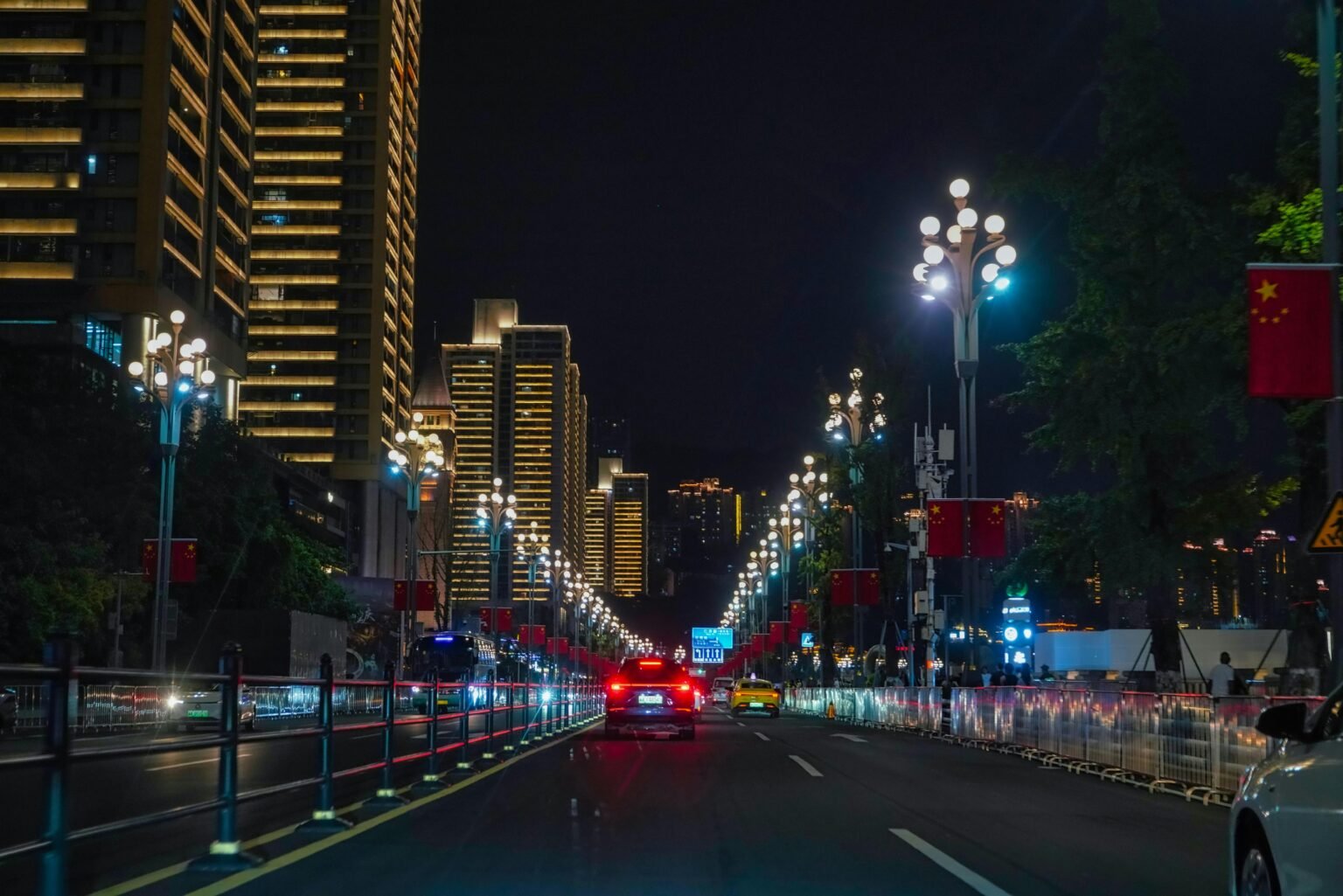
Travel can be transformative when approached with intention. Many people race through a checklist of attractions, trying to squeeze iconic landmarks into tight schedules. That approach may produce photos but rarely produces meaningful memories. Experiencing a city requires curiosity, patience, and a willingness to look beyond the obvious. It starts with stepping into local rhythms rather than treating a place like a backdrop. When you shift your mindset, every corner becomes an opportunity to learn how a city lives, breathes, and expresses itself.
Seek Out Neighborhoods That Reflect Daily Life
Major tourist zones are designed for convenience, but they rarely reveal the character of a city. By wandering into residential districts, small business corridors, and diverse cultural enclaves, you gain a deeper understanding of local life. These areas show you how people shop, commute, relax, and interact. They also offer small discoveries that no guidebook can replicate, like a bakery that sells a pastry you have never tried or a park where families gather after school.
Take time to observe how the neighborhood moves. Notice the pace of the morning rush or the quiet lull in the afternoon. Listen to the languages being spoken and the style of music drifting from open windows. Stop at grocery stores, markets, or corner cafés to see what the community considers staples. This approach expands your experience beyond the curated version of the city and helps you feel connected to the people who call it home.
Participate in Local Events and Community Rituals
Seasonal events and grassroots gatherings reveal the pulse of a city. They show how residents celebrate traditions, support one another, and create shared experiences. Even in smaller towns or college communities, these events often hold significant meaning. For example, a group might gather for a Kent St Patty’s Day bar crawl, transforming a familiar downtown street into a lively, communal celebration. Participating with respect gives you insight into what locals value and how they express joy.
Farmers markets, street festivals, neighborhood clean up days, public art unveilings, and charity walks all offer informal opportunities to meet residents. These interactions help you move from observer to participant. When you join in, you start to understand the identity of the place. You recognize how history, culture, and local pride shape the community. That knowledge enriches your visit and creates more authentic connections with the people you meet.
Honor the Local Culinary Identity
Food is one of the most revealing windows into a city’s spirit. Instead of seeking familiar chains or tourist centered dining districts, explore establishments where locals spend their evenings. These are often small restaurants, family owned eateries, food trucks, and cafés that have been part of the community for decades. They reflect the flavors, stories, and traditions that help define a region.
Ask servers or market vendors about their specialties and what dishes represent the area’s culinary heritage. Trying foods that you cannot find anywhere else adds dimension to your visit. Culinary experiences become richer when paired with conversation. Sitting at a counter or communal table encourages interaction with residents, and these exchanges can lead to recommendations for additional places to explore. When you approach food as a cultural experience rather than a convenience, you gain a sensory understanding of local life.
Slow Down and Use All Your Senses
Many travelers walk quickly, trying to cover as much ground as possible. Slowing your pace allows you to notice details that often go overlooked. The architecture of row houses, murals tucked behind alleyways, or the scent of a bakery opening its doors in the morning each reveal a layer of the city’s personality. These sensory experiences stay with you long after the trip ends.



Try exploring one square mile in depth rather than racing through several neighborhoods in a single afternoon. Sit on a park bench and watch how people interact. Wander without a set itinerary. Take public transportation to observe the natural rhythms of the city. When you give yourself time to absorb your surroundings, your experience becomes more immersive. You begin to understand not just what the city looks like, but how it feels to live there.
Support Independent Businesses and Artisans
Independent businesses offer a direct connection to the creative and entrepreneurial spirit of a city. Bookstores, vintage shops, record stores, and craft studios each reflect their owners’ passions. Shopping in these places keeps money within the community and helps sustain the unique identity of the area. It also opens the door to conversations that can broaden your understanding of local culture.
Artisan markets and maker fairs often highlight creators who produce goods inspired by regional traditions or personal histories. Buying from these vendors provides insight into the stories behind their work. This not only enriches your travel experience but also allows you to take home something meaningful rather than something mass produced. Supporting local businesses is one of the most powerful ways to experience a city in a genuine, respectful way.
Conclusion
Experiencing a city is an active, intentional process. It requires curiosity, openness, and a willingness to step away from surface level sightseeing. When you explore everyday neighborhoods, participate in community rituals, savor local cuisine, slow your pace, and support independent creators, you gain a more nuanced understanding of the place you are visiting. These choices deepen your connection to the city and allow you to return home with lasting memories rooted in authenticity rather than tourism.